The Science of Fishing: Data Logging
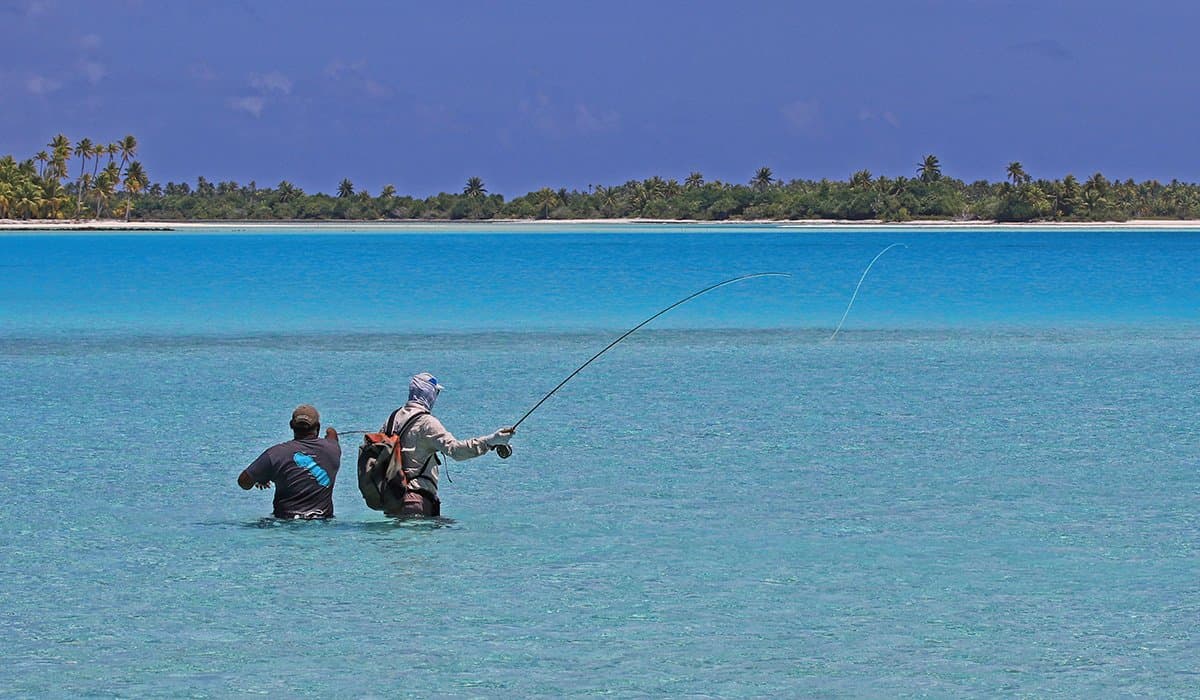
Fishing is a unique blend of art and science. The chase, choosing the perfect bait, and the satisfaction of hooking up with your target – all speak to the artistry of angling. But behind every successful fishing trip lies a hidden science—a set of patterns and principles shaped by nature.
Understanding these patterns, from seasonal fish behavior to the influence of weather and tides, can transform the way you fish. By keeping track of key details—like fish size, methods used, and environmental conditions—you gain valuable insights into what works and why. Instead of relying on guesswork, you unlock a strategic edge, turning every trip into a calculated adventure where knowledge leads to success.
Environmental Factors
Fishing conditions are never identical, but they’re influenced by predictable factors that can be understood and leveraged to your advantage.
Seasonal Changes
Fish behavior shifts with the seasons. In spring, warming waters can trigger spawning and feeding cycles, making fish more active. Summer often pushes fish into deeper or shaded waters to escape the heat. By fall, many species feed aggressively to prepare for winter, and during the colder months, fish tend to be less active as their metabolism slows. Knowing when fish are spawning, feeding, or resting can help you decide where and how to fish.
Water Temperature
Water temperature plays a significant role in determining fish activity. Fish are cold-blooded, so their body temperature matches their environment, directly affecting their metabolism. Warmer water speeds up metabolism, making them more active and hungry, while colder water slows it down. For example, largemouth bass are most active in water temperatures between 65-75°F. Logging temperature data over time can reveal patterns specific to your fishing spots.
Weather Conditions
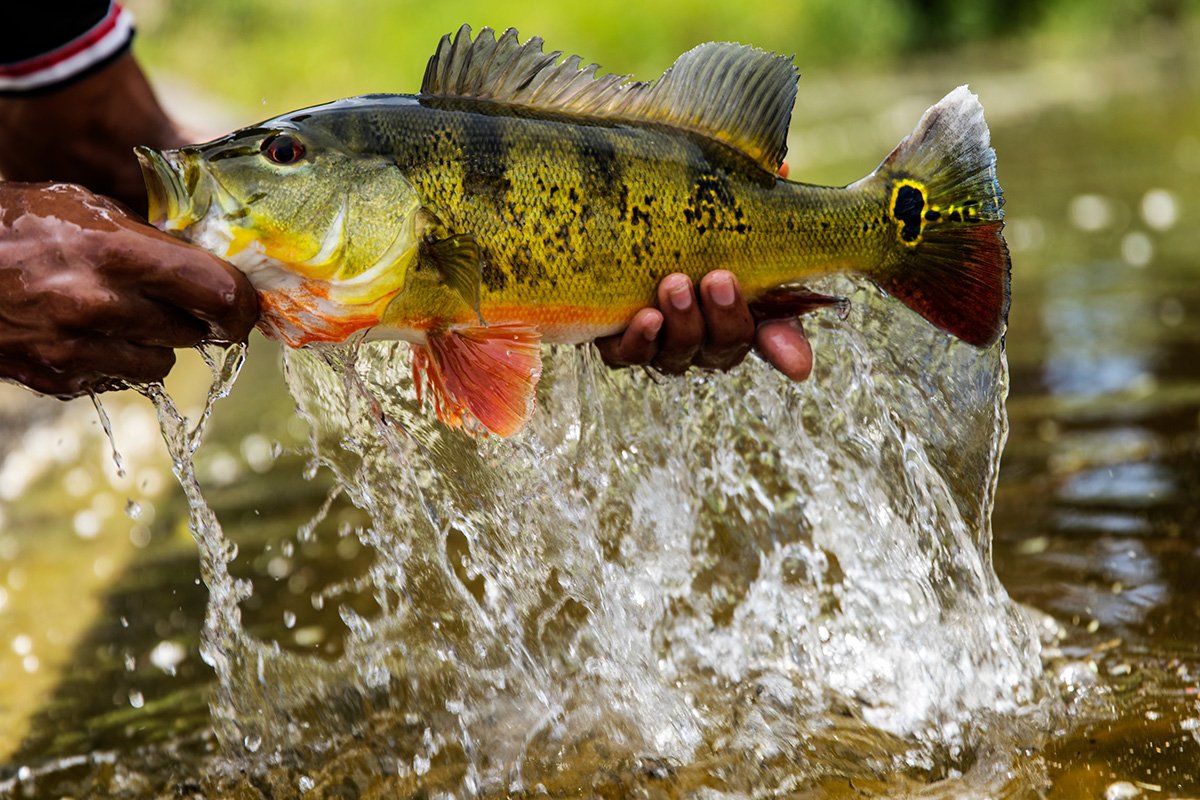
Weather often dictates fish behavior. Overcast days can increase fish activity, as cloud cover reduces light penetration, making fish more comfortable feeding in shallow areas. High-pressure systems tend to keep fish deeper, while the approach of a storm (low pressure) often triggers a feeding frenzy. Wind can also create opportunities by stirring up prey along windblown shorelines. Tracking these weather details allows you to predict when and where fish will bite.
Tides and Water Levels
For saltwater anglers, tides are everything. A rising tide often brings fish closer to shore, while a falling tide may push them back into deeper waters. In freshwater systems, changing water levels in rivers or lakes can force fish to relocate, affecting your ability to find them. Knowing how fish respond to these shifts can dramatically improve your success rate.
Other Nuances
Smaller factors, like moon phases, water clarity, and time of day, also play a role. A full moon might make night fishing more productive, while murky water can push fish to rely on sound or vibration to find food. Logging these nuances over time can help you anticipate fish behavior with greater accuracy.
Why Logging Your Catch Matters
Catching a fish is exciting, but each catch also holds valuable information. Logging the details of your catch can transform your fishing experience from casual recreation to a calculated science.
Tracking the Key Details
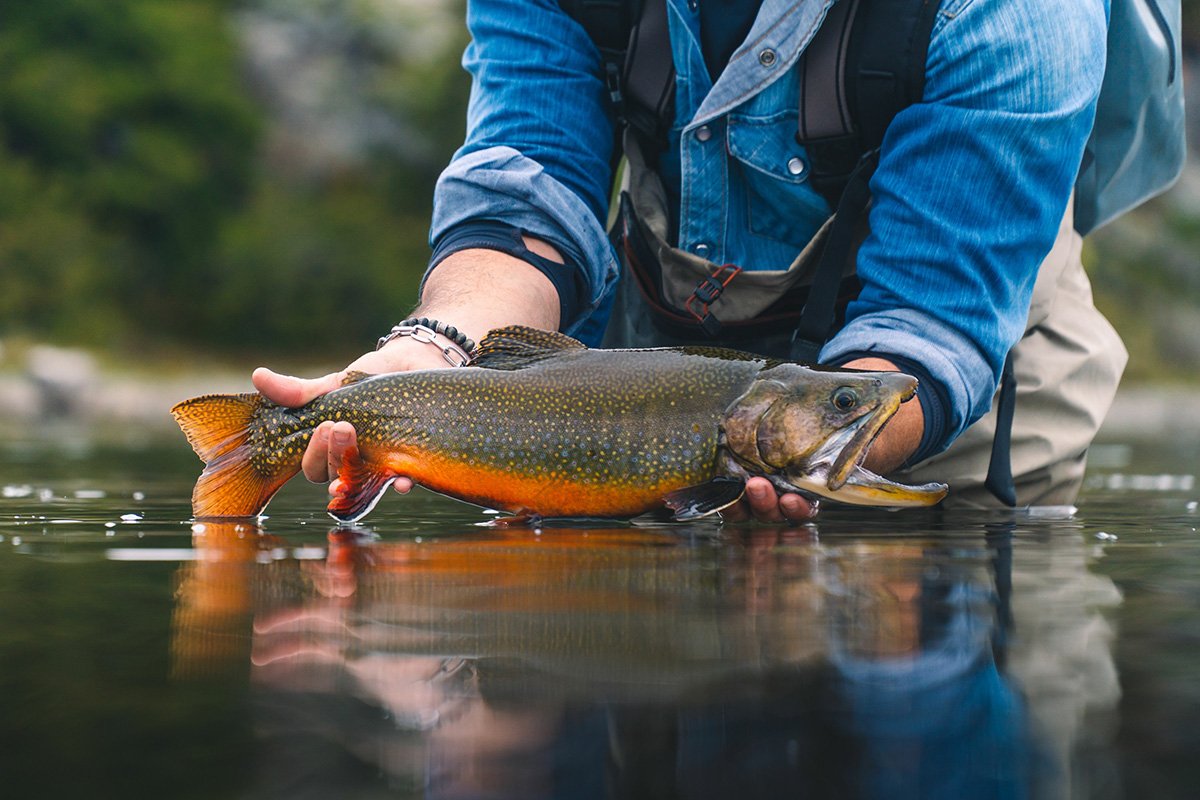
Effective logging goes beyond just remembering “I caught a trout on a spinner.” It’s about recording:
- Fish Size and Species: What did you catch, and how big was it?
- Methods Used: What bait or lure worked? How was it presented?
- Environmental Conditions: What was the water temperature, tide, or moon phase?
- Location and Time: Where and when did you catch it?
By consistently logging these details, you begin to build a comprehensive record of your fishing experiences. Over time, this log becomes a goldmine of insights.
Pattern Recognition
After a few months of logging, patterns start to take shape. You might notice that redfish in your area prefer live shrimp during a rising tide or that bass hit topwater lures in the early morning but switch to soft plastics as the sun rises.
These insights are specific to your fishing spots, methods, and conditions. They allow you to anticipate what will work before you even hit the water, turning trial-and-error into a strategic advantage.
Start Logging for Yourself
The beauty of logging your catch data is that it’s personal. While general fishing advice is helpful, nothing beats the knowledge you gain from your own experience.
For example, you might read that redfish love shrimp baits on a rising tide. But after logging your catches, you notice they seem to favor the outgoing tide in your local marsh. This type of discovery can only come from paying attention to your own waters, your own techniques, and your own results.
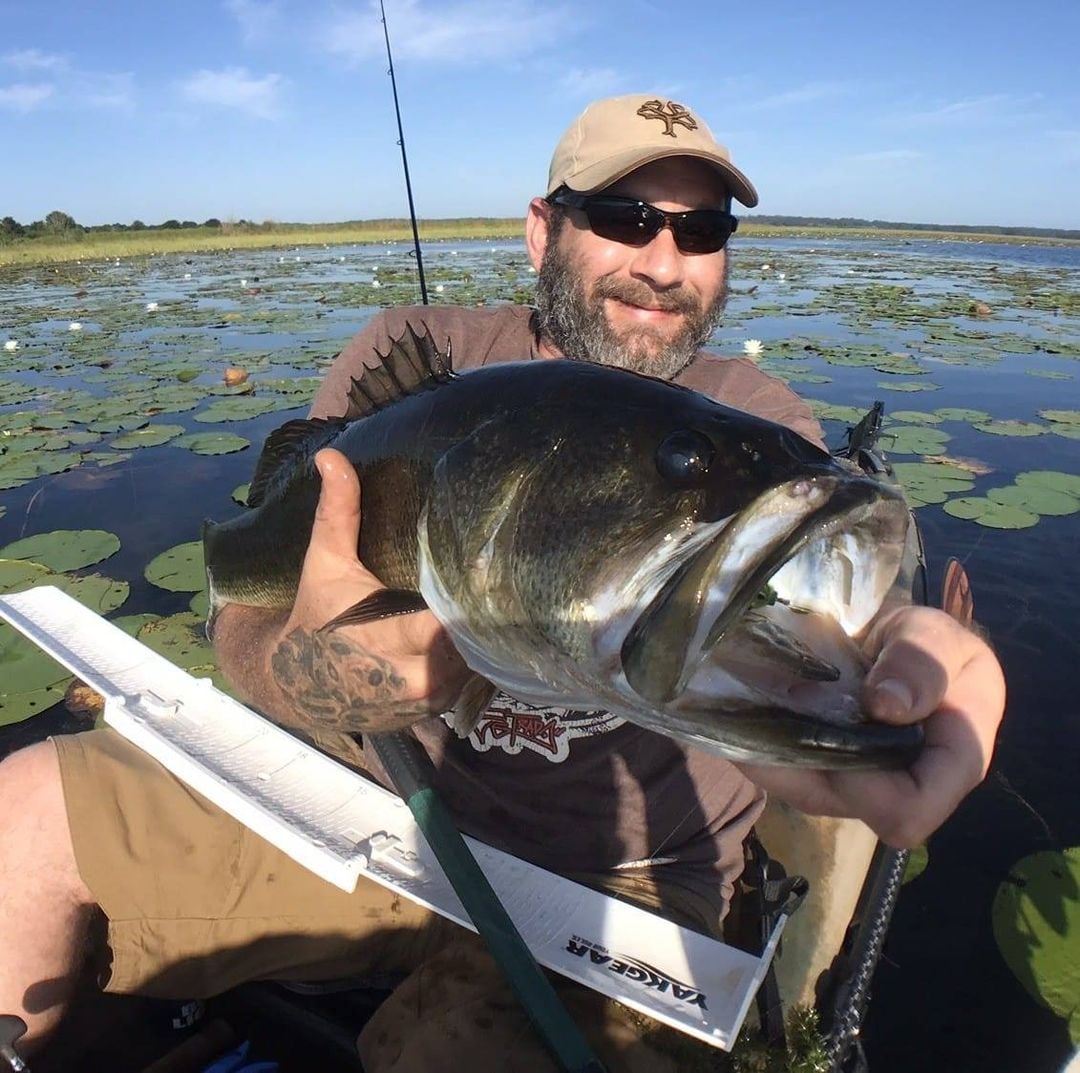
Over time, logging transforms fishing from guesswork into science.
It turns “I think this might work” into “I know this works.”
Log.Fish: The Ultimate Logging Tool
Logging every catch on every trip can be time-consuming—especially if you’re doing it manually.
Log.Fish makes logging effortless. With a single picture of your catch, the app automatically collects detailed NOAA data, including water temperature, tide, moon phase, and more. It organizes all this information into a user-friendly log, giving you everything you need at your fingertips.
Key Features of Log.Fish
- One-Pic Logging: Snap a photo, and the app handles the rest.
- Environmental Data: Gain insights into the exact conditions of each catch.
- Tide and Moon Tracking: Stay ahead by knowing when fish are most active.
- Privacy and Sharing Options: Keep your logs private or share them with friends.

By combining the technology you carry in your pocket with the practice of logging, Log.Fish gives you the tools to become a better angler- faster.
Fishing success isn’t just about luck—it’s about learning. By understanding how seasons, weather, and other factors influence fish behavior, and by consistently logging your catch data, you can uncover exactly what works for you, where you fish.
The Log.Fish app makes this process seamless, turning your smartphone into a fishing tool.
Ready to start learning patterns and upping your fishing game? Download Log.Fish today and let your data guide you to more success on the water.