Want to Catch More Fish? A Fishing Log Might Be the Answer
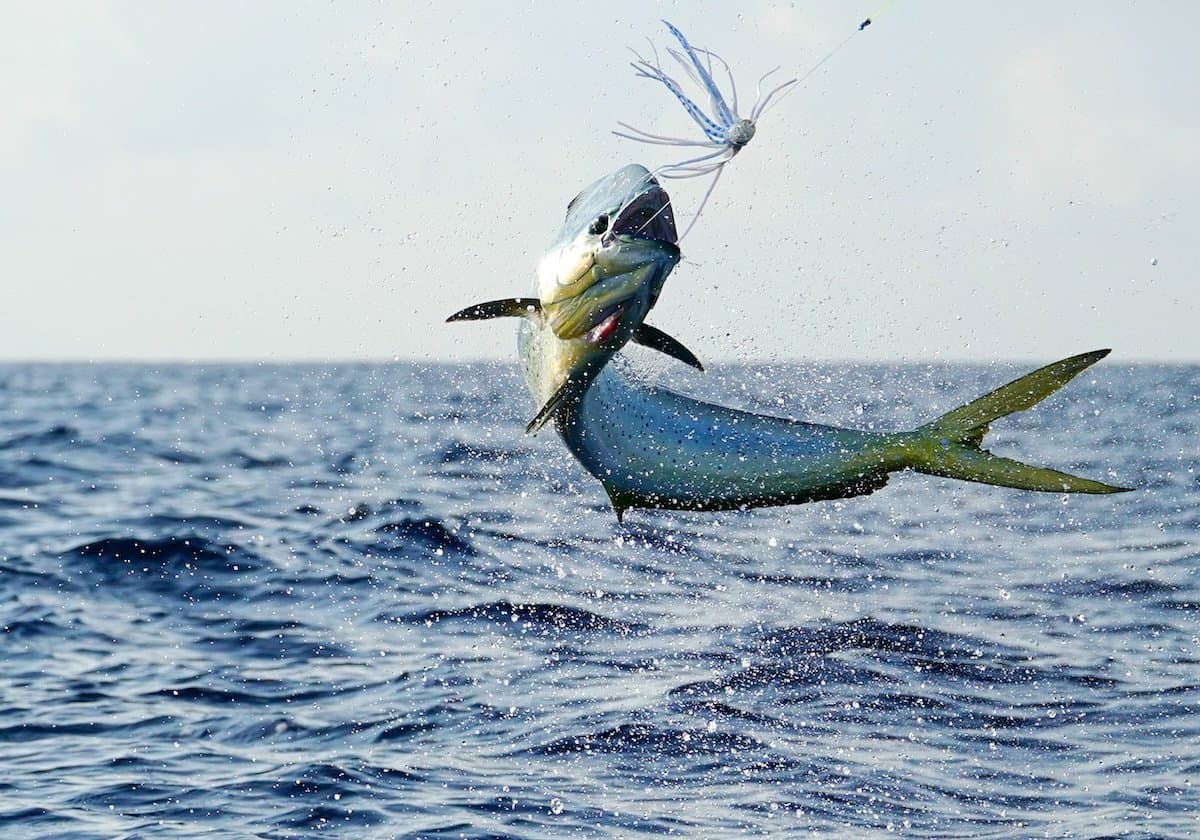
Ever had one of those days where you crush it on the water—every cast feels like it’s landing in the right spot, the fish are biting, and everything just clicks? And then you go back a week later, same spot, same setup… nothing.
That’s fishing. Some days, it feels like you’ve got it all figured out. Other days, it’s like the fish packed up and left town. But if you’ve been at this long enough, you know it’s not all just luck. There are patterns—subtle ones, tied to things like water temp, wind direction, tide shifts. And the guys who consistently catch fish? They’re paying attention to that stuff, whether they realize it or not.
Some folks have a memory like a steel trap and can recall exactly what lure worked best on an overcast afternoon in May three years ago. For the rest of us, writing things down or using a good fish logging app helps to connect the dots over time. Maybe you start noticing that certain inlets fire up after a hard east wind—or that a particular topwater bite turns on right before a big front rolls in.
Why Paying Attention to Data Puts More Fish in the Boat
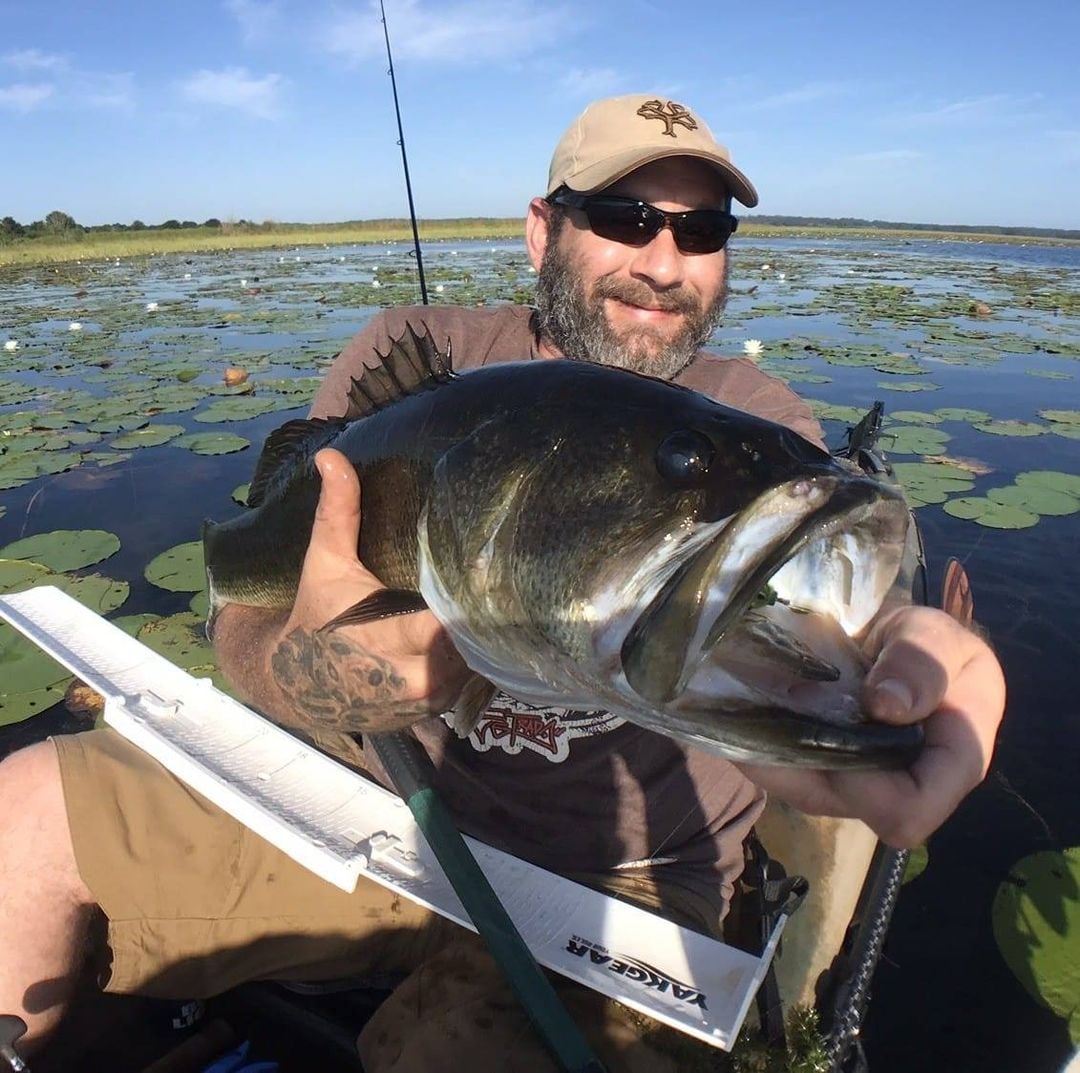
Fishermen have always relied on experience, instinct, and trial-and-error to find success on the water. But today where technology can help you with pretty much every other aspect of life, why wouldn’t you also use data to improve your fishing results?
A lot of fishing apps out there promise to help you catch more fish—why else would they exist? Unfortunately, half of them are just regurgitating the same crowdsourced guesses or generic fish forecasts that don’t do you much good.
If the guy reporting his “hot bite” was fishing a different tide, different structure, or just got lucky, how does that help you next time you’re out there? It doesn’t.
What actually makes a difference is keeping your own catch log—paying attention to what’s happening when you catch fish and keeping track of it so you can spot the patterns over time. The more you track, the more you start seeing those patterns.
When you know what actually works—not just what might work—you spend less time guessing, and more time catching fish.
Keeping “Data-Driven” Fishing Logs
Fish behavior is influenced by a range of environmental factors, and recognizing those patterns over time is what separates the most consistent fishermen from those who just get lucky now and then.
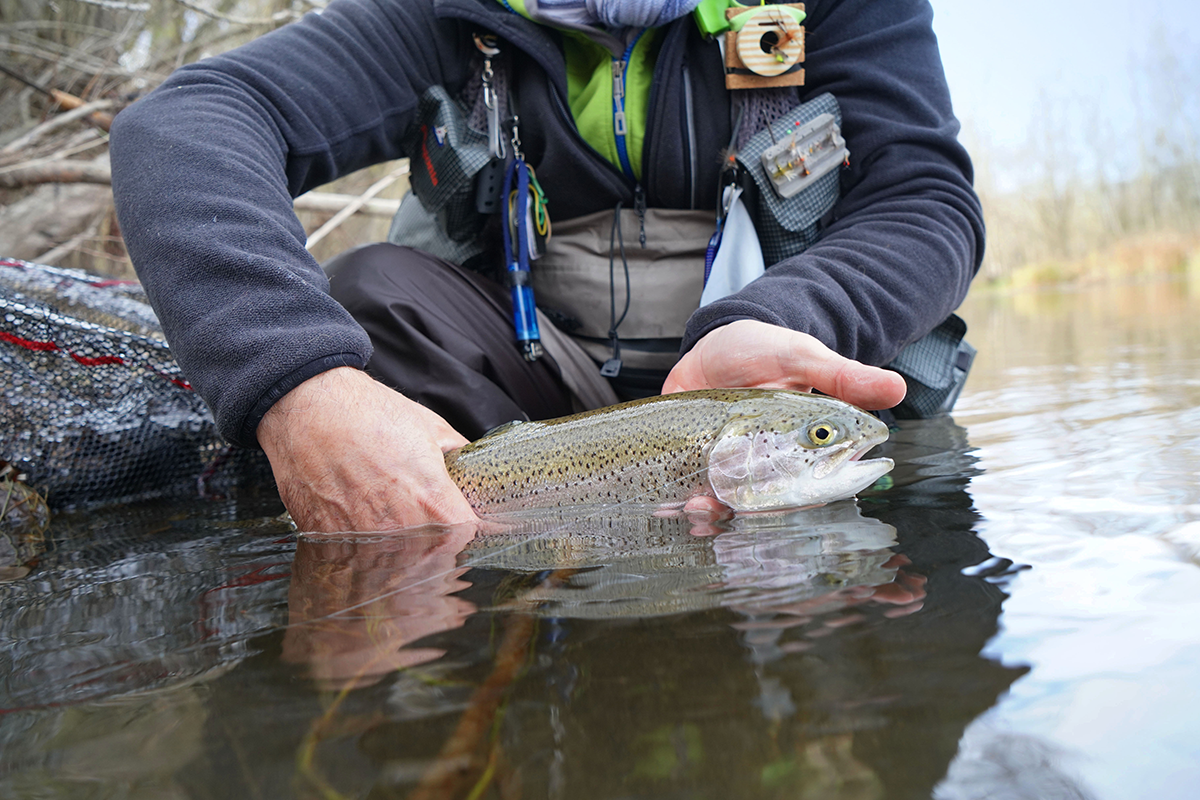 Every fisherman has had great days on the water—days when the fish were biting like crazy. But can you recall the exact conditions that made those days so successful? Without a log, most fishermen rely on rough memory, which is often going to be incomplete, and unreliable. A great fish logger tool will allow you to:
- Identify seasonal trends – Track which times of year produce the best results for specific species.
- Pinpoint successful patterns – Learn which environmental conditions (temperature, depth, moon phase, tide, etc.) align with productive fishing days.
- Avoid wasted time – Reduce trial-and-error by focusing on spots, techniques, and baits that have worked under similar conditions in the past.
- Refine your technique – Understand what lure presentations and retrieval speeds have led to the most success.
- Adjust to changing conditions – Recognize how different weather patterns affect fish activity and adjust your strategy accordingly.
One of the biggest downsides of a lot of fishing apps is their complete reliance on user-generated reports. The problem is, not all of those reports are accurate… and some may even be intentionally misleading. (I know, it’s hard to believe.) You’ve probably even seen it before—some guy posts a vague report with a few fish pictures but no real details, or worse, they can even send out false information to keep others off their best spots.
By keeping your own fish log, you’re working with firsthand data. Instead of relying solely on reports from strangers, you build a private, personalized database of what actually works for you. Over time, you’ll start to see trends in your own fishing history—trends that are far more reliable than secondhand information.

How Logging Data from Your Catches Pays Off
Fishing is about making smart adjustments based on what the fish are doing on any given day. But what if you could already anticipate those adjustments before even heading out? That’s what a good fish log allows you to do. Here’s how logging your catches leads to better results:
- Better trip planning – Instead of guessing, you can use past data to predict when and where the bite will be best.
- More confidence in your decisions – When you know what has worked before, you don’t waste time second-guessing.
- Improved consistency – Logging conditions over time helps eliminate lucky streaks and replaces them with repeatable patterns.
- Long-term success – Whether you fish the same lakes regularly or explore new waters, your personal log serves as a database that grows in value the more you use it.
Who Stands to Gain the Most? Pros, Guides, and Anyone Who Makes a Living on the Water
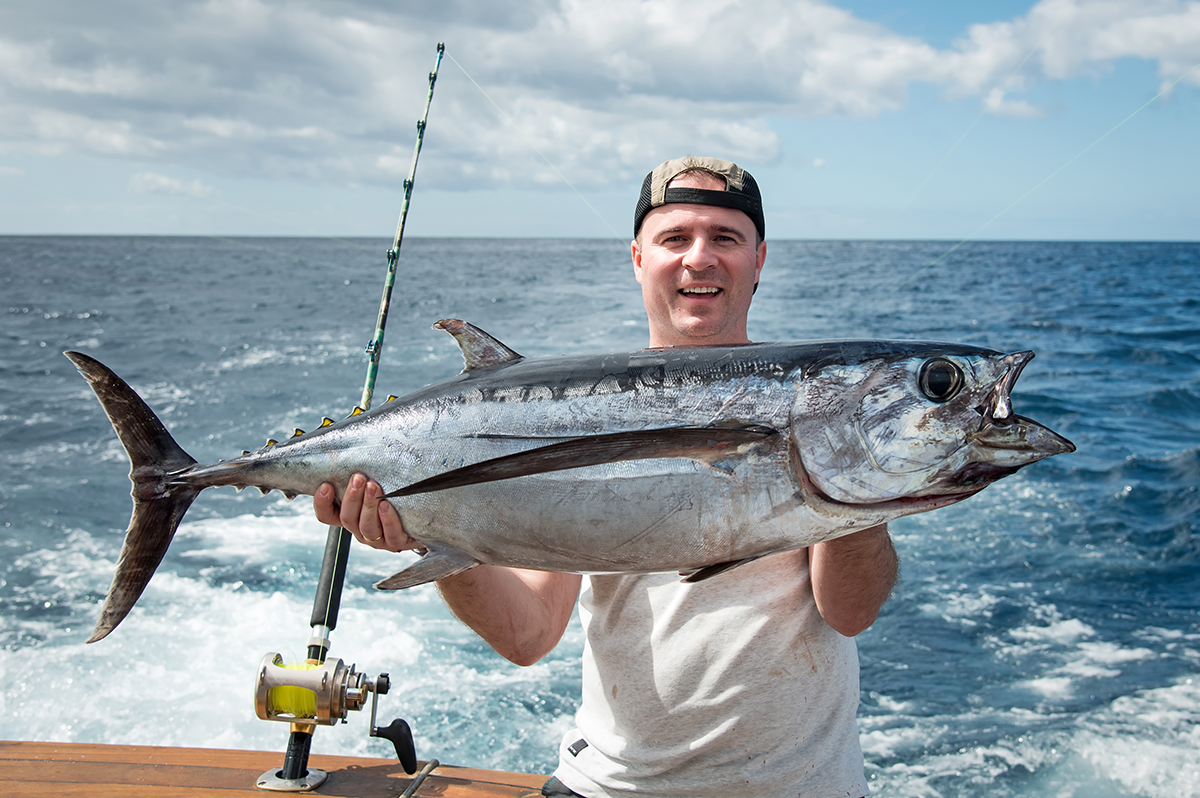
For tournament fishermen, every decision matters. The difference between cashing a check and going home empty-handed can come down to recognizing patterns that others miss. Keeping a fishing log helps tournament fishermen:
- Track high-percentage spots – Know exactly where fish were holding during previous competitions under similar conditions.
- Fine-tune bait selection – See which presentations and colors worked best during similar weather and water conditions.
- Adjust quickly to changing conditions – Have a backup plan when the primary pattern doesn’t pan out.
If you’re running trips for a living, keeping a solid log can make a big difference. Knowing exactly what worked and when helps you put clients on fish more consistently—and in this line of work, consistency is what keeps people coming back.
Keeping a journal of catches allows guides to quickly figure out:
- What conditions produce the best results – Make sure clients have the best chance of success by revisiting productive spots under the right conditions.
- Which techniques work best for different skill levels – Recognize which methods are easiest for beginners versus what works for more experienced clients.
- How to maximize return business – Happy clients come back, and being able to replicate successful trips is what builds a strong reputation.
Now nobody’s saying you have to keep a log, but if you’ve ever found yourself wondering why the fish were there one day and gone the next, having some notes to look back on might just give you the answer.
Something to Think About
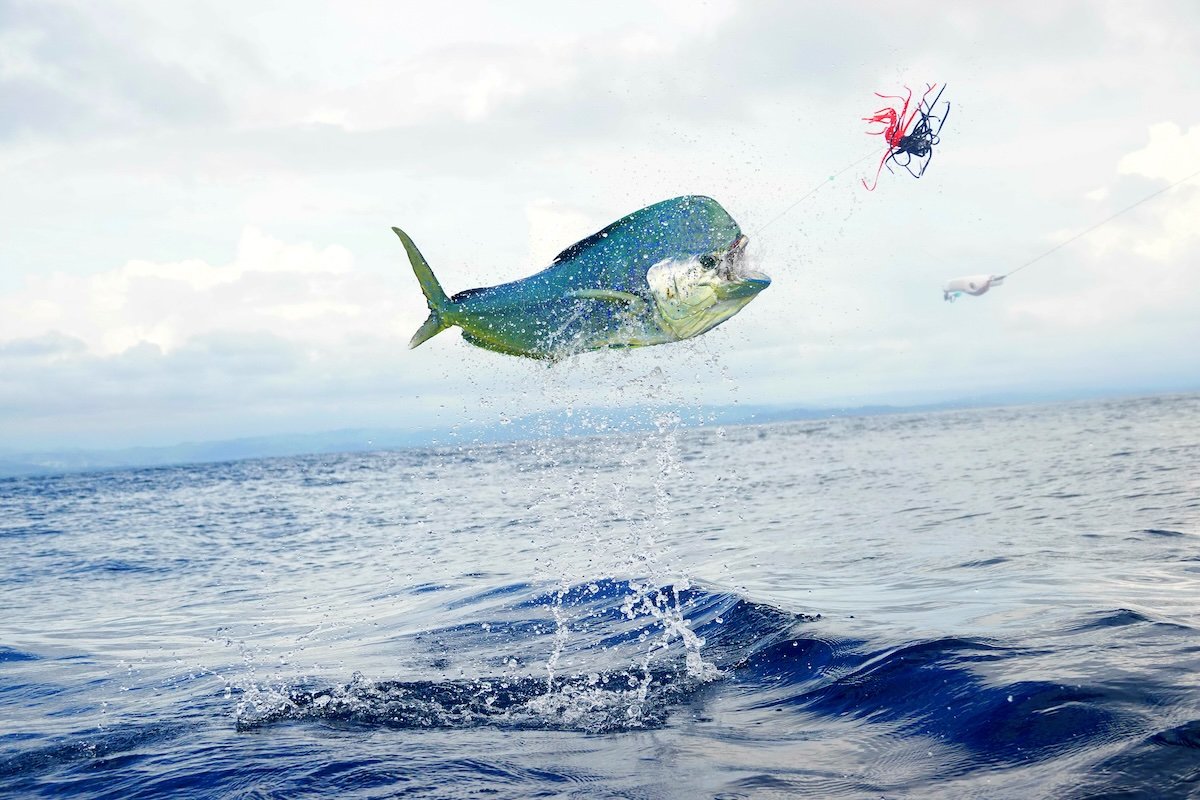
Most fishermen don’t think twice about keeping track of their catches, but truth is, a fishing logbook or a reliable catch logging app can be one of the best tools you’ve got—especially now that tracking data is easier than ever. Instead of just guessing why the fish were biting one day and not the next, a good log helps you start seeing the patterns, making every trip a little more strategic than the last.
Rather than just relying on scattered reports, social media posts, vague forecasts, et cetera, et cetera, a personal fishing log puts real, science-backed data in your hands—right from the source. Whether you fish for fun, compete in tournaments, or guide others, keeping track of your catches will give you an undeniable edge.
Taking the time to log each trip may seem tedious at first, but the long-term payoff is well worth it. If you want to make smarter fishing decisions, tracking your catches is one of the best ways to improve your success on the water.
The Best Fishing Log Tool in the App Store
For fishermen looking for a streamlined way to log catches, Log.Fish offers an easy-to-use fishing app that records essential details like water temperature, tide, moon phase, and GPS location automatically. Unlike traditional paper logs or generic fish tracker apps, it focuses on real data to help fishermen refine their approach with each trip. Whether you’re fishing for fun or fine-tuning your strategy for competitions, having a reliable log will help you become a more consistent and successful fisherman.