What Would It Take to Predict the Tarpon Migration?
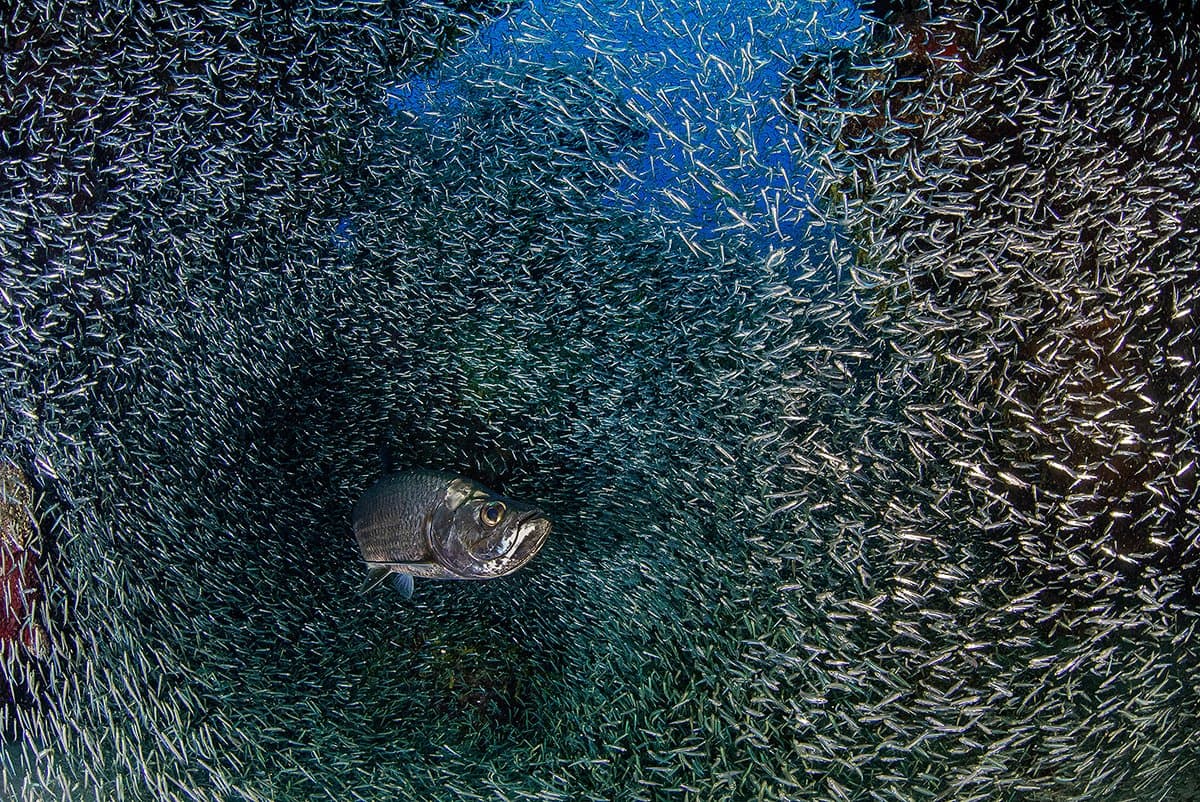
Anglers along the Gulf and Atlantic coasts look forward to the yearly tarpon migration. These silver giants journey thousands of miles yearly in pursuit of baitfish, drawing fishermen and supporting a billion-dollar fishing industry. However, despite its excitement, forecasting the tarpon migration is challenging and demands a comprehensive understanding of different environmental and biological elements.
Could we ever reliably predict the tarpon migration? Let’s see what it would take.
The Factors Driving Tarpon Migration
At the heart of the tarpon migration are environmental cues and biological needs. Tarpon are driven by a combination of instincts, seasonal changes, and resource availability. To predict their movements, scientists and anglers alike must consider multiple interconnected factors:
1. Water Temperature
Tarpon are a warm-water species, preferring temps between 72-82°F. Their migration typically follows the warming waters in spring, moving northward along the coasts and returning south as temperatures cool in the fall. Tracking these temperature changes across regions is an important factor for understanding when and where tarpon are likely to appear.
2. Food Availability
Baitfish migrations, mainly mullet, are a primary driver of tarpon movement. The availability of these food sources can vary significantly depending on local conditions, including plankton blooms, current patterns, and habitat health.
3. Spawning Cycles
Tarpon migrate not only to feed but also to spawn. Spawning typically occurs offshore in areas with specific conditions, such as warm, calm waters and strong currents to disperse larvae. The timing of these events varies by region and is influenced by factors like moon phases and water temperature.
4. Tides and Currents
Tides and currents significantly affect where tarpon are likely to congregate. Migrating tarpon often move with favorable currents, and they’re more active during specific tidal phases. Understanding how these forces interact with other environmental cues can help pinpoint their movements.
5. Weather Patterns
Weather, including wind, barometric pressure, and storm systems, can have both immediate and long-term effects on tarpon migration. For example, a sudden cold front can push fish southward, while consistent warm weather might accelerate their northward movement.
The Challenges of Prediction
While we know a lot about the factors influencing tarpon migration, predicting their movements on a large scale remains challenging. Each region has its own unique conditions, and tarpon are highly adaptable fish. What might apply in Florida waters could look entirely different in Texas or Louisiana.
Long-term environmental changes add layers of complexity to an already intricate equation. Accurately predicting the migration would require a vast amount of data collected from multiple locations over several years, analyzed in conjunction with real-time environmental monitoring.
How Anglers Can Contribute
Anglers can play a role by logging detailed information about their catches—such as time, location, water temperature, bait used, and environmental conditions—anglers contribute valuable data that can help reveal patterns over time. This grassroots effort, when combined with scientific studies, can create a more complete picture of tarpon movements.
Technology and Logging Apps
Tools like the Log.Fish app are making it easier than ever for anglers to contribute to the science of fishing. With features that allow you to log detailed catch information and automatically gather NOAA environmental data, the app provides a seamless way to document your tarpon fishing experiences.
Over time, logging catches can help you recognize patterns specific to your waters, such as when tarpon appear during certain moon phases or how they react to temperature shifts. While predicting the migration across multiple states may still be a massive undertaking, tools like Log.Fish empower individual anglers to unlock the science of fishing in their local areas.
Predicting the tarpon migration on a large scale would require the integration of countless variables, from water temperature and food sources to weather patterns and tides. While the challenge is expansive, it’s not insurmountable—especially with the collective efforts of scientists, anglers, and technology.
As anglers, you have the unique opportunity to contribute to this understanding by logging your catches and observations. With the Log.Fish app, you can take your fishing to the next level while helping to uncover the secrets of one of nature’s most incredible migrations.
Start logging today and be part of the journey to better understand the tarpon migration.