Top Fishing Apps Every Fisherman Should Have on Their Phone
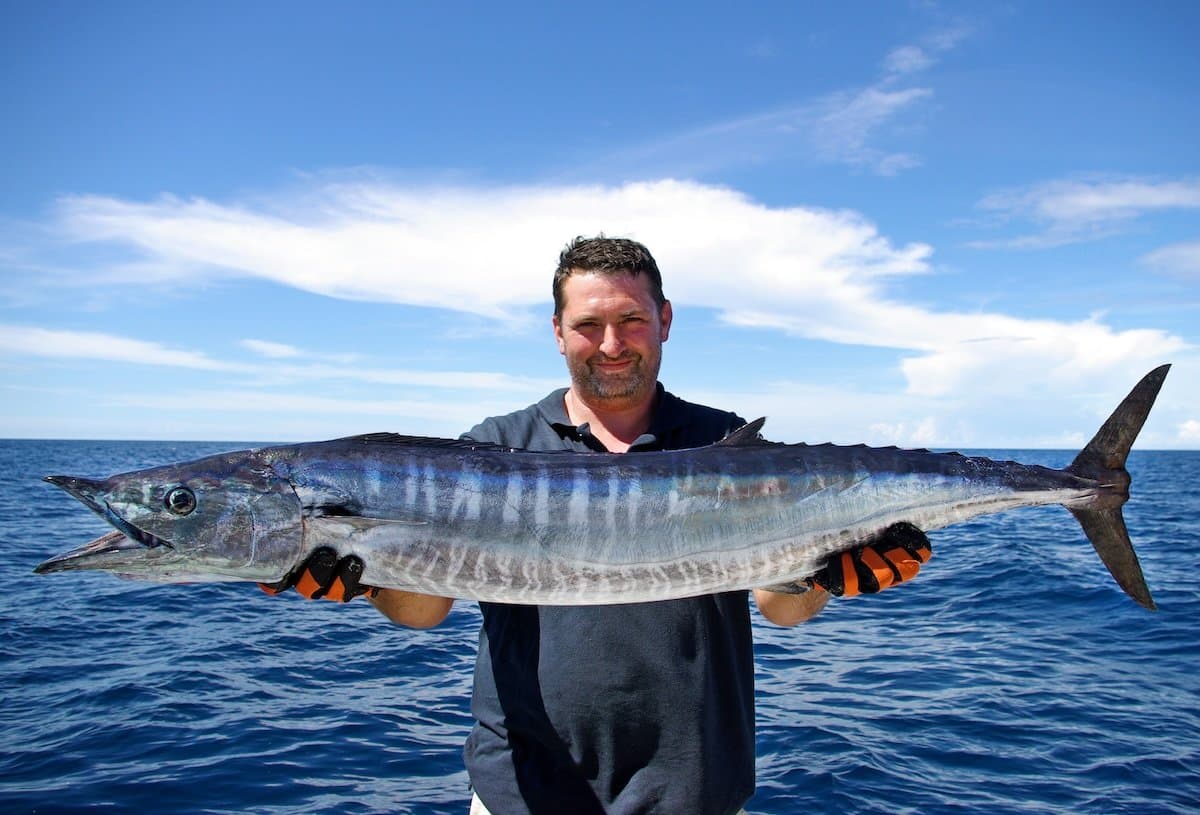
I remember this one trip like it happened yesterday. The tide was perfect, the water had just the right chop, and I was standing on the deck, thinking, this is going to be one of those days. You know, the kind where the fish are stacked up, every cast feels like it could get slammed, and you head home sunburned and happy. But instead, it was the kind of day where you burn through a tank of gas, work every spot you know, and spend more time untangling lines than fighting fish.
I could not figure out what went wrong. The conditions looked right. The fish should have been there. And yet, nothing.
Later that night, still annoyed, I pulled up my old fishing logs—the ones I had been keeping half-heartedly in a beat-up notebook—and started flipping through the pages. That is when I saw it. The last few times I had really crushed them in that spot, the tide had been moving out, not in. The wind had been lighter, not gusting. The water temp had been a few degrees higher. In other words, I had been fishing a memory, not the actual conditions in front of me.
That was the moment I realized something: I had all the information I needed to avoid a skunked day, I just had not been using it the right way.
Now, keeping track of what works and what does not is easier than ever. Fishing is still about instinct, experience, and putting in the time—but if you are not using the tools available to you, you are making it harder on yourself. The best fishing apps today can do everything from tracking tides and weather to logging every catch with a simple photo. Some are gimmicks, sure, but others can actually change the way you fish.
So, let’s talk about the ones that matter. These are the best fishing apps that every fisherman should hae installed on their phone:
1. Weather & Tide Apps
The Basics You Should Not Skip
If you have been fishing long enough, you already know that weather and tides can make or break a trip. You could be throwing the best lure in the world, but if the tide is dead or the barometric pressure is tanking, you might as well be fishing in a swimming pool.
That’s why every fisherman should have a solid weather and tide app. A good one will tell you:
- Tide charts so you know when the water is actually moving.
- Wind conditions because a strong wind can push bait around, muddy up the water, or make casting a nightmare.
- Barometric pressure since fish get real picky when a front is rolling in or the pressure is dropping fast.
- Hourly weather updates because looking outside in the morning does not tell you what will happen in six hours.
Some guys glance at a weather app, see a little sun icon, and figure that is all they need to know. But if you are serious about fishing, you know that a sunny day does not mean a good day, and a little wind can be the difference between a hot bite and a whole lot of nothing. It can be the difference between launching the boat knowing you’re going to put a ton of fish in the cooler, and pulling up to the ramp just in time to watch whitecaps rolling in sideways, wondering if you should have just stayed in bed.
2. Nautical Charts and GPS Apps
Knowing Where You Are (and Where the Fish Might Be)
Fishing spots are everything. Some guys find them by trial and error, others inherit them from buddies, but no matter how you get them, you want to keep track of them.
No matter how you get them, once you have a good spot, you better believe you want to keep track of it. And you don’t need just some vague “by the third mangrove to the left” kind of tracking—you need real markers. Some guys rely on landmarks, but that doesn’t help much when everything looks the same, or it is pitch black outside and you are running the boat in the dark.
If you fish new water, offshore, or even big lakes where every cove starts to look the same, having a solid nautical chart or GPS app can be the difference between hitting productive water and spending your day blindly casting into dead zones.
Good ones will do things like:
- Show you depth charts so you can find structure where fish like to hold.
- Mark waypoints so you can keep track of your best spots.
- Give satellite overlays so you can scout before you even hit the water.
- Have offline maps so you do not lose your location when you are out of cell range.
If you fish big water, offshore, or anywhere new, this kind of app is a game-changer. I will tell you right now, if you are relying on memory to find a good spot again, you are making life harder than it needs to be.
3. Fishing Log Apps (The Best of the Best)
Track Your Catches
If you only use one type of fishing app, make it a fishing log app. This is the one that actually makes you a better fisherman over time.
For years, serious fishermen carried notebooks, jotting down where they fished, what the tide was doing, and what they caught. But today, most people are not great about writing things down after a long day of fishing. This is where technology makes life easier.
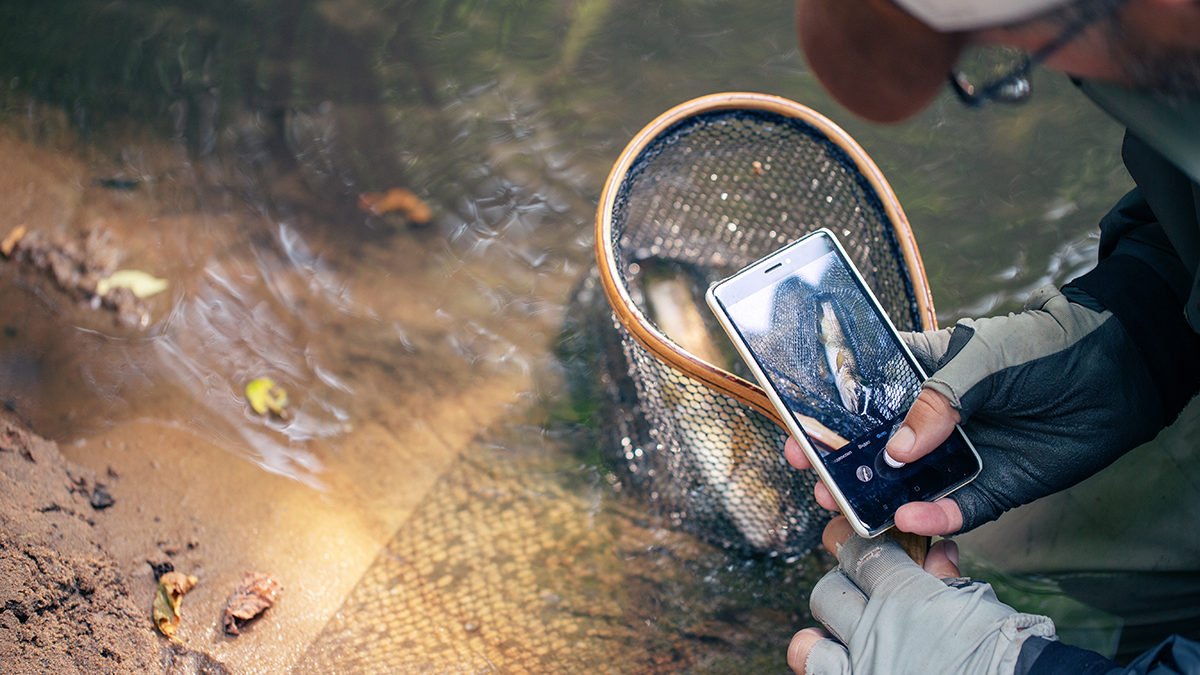
It’s one thing to get reports from other people, but it is a whole other thing to start noticing patterns in your own fishing trips.
Here is why a catch logging app is the best tool you can have:
- It keeps track of everything that actually matters. A good one logs your location, time, tide, water temp, moon phase, and weather when you snap a photo.
- It shows you real patterns over time. After a few months of logging your trips and catches in a journal, you start realizing that some spots only produce under certain conditions.
- It stops you from wasting time. Instead of going back to a dead spot because “it worked once,” you can look at real data and see if it was a fluke or if there is a pattern.
- It helps you plan better. Before your next trip, instead of fishing blind, you can check what worked in the past under the same conditions.
Think about it like this—if you fished with a guy who had been hitting the same waters for 30 years and he told you, “This spot is only good on an incoming tide when the water temp is above 65 degrees,” you would listen to him.
Well, that is what a good log app does for you, except instead of waiting 30 years to figure it out, you have the data after a season or two.
What to Look for in a Fishing Log App
Not all fishing log apps are the same. The good ones:
- Log all the key details automatically from a simple photo.
- Include tide and weather data without you having to enter it manually.
- Have a way to organize and search your past trips so you can actually use the data.
- Give you an option to keep logs private or share them with others.
- Work in real-time so you can check reports and conditions before you even launch.
I have seen it happen a hundred times. Some guy rolls up to the boat ramp, pumped up because he heard “the fish are biting” from some half-trustworthy source at the bait shop, or he just assumes that because he caught fish in a spot 3 weeks ago, it will be exactly the same today. So he burns half a tank of gas, works a stretch of water like his life depends on it, and—nothing. Maybe a couple of short strikes, maybe 1 lazy dink fish, but nothing close to the haul he was expecting.
And then, as he is heading back in, he spots another guy pulling in fish after fish from a spot he passed right by earlier. That guy has been keeping logs. He has checked the conditions. He knows that the fish stack up on that rip when the outgoing tide lines up with the afternoon wind. He is not out there just hoping—he is out there executing a plan.

Now, could you figure all this out the old-fashioned way? Of course. If you fish the same waters for enough years, take good notes in a log, and actually pay attention instead of just chucking lures and praying, you will eventually build that knowledge. But why make it harder than it needs to be? You do not refuse to use a depth finder because “back in the day, we just used a stick”—so why not use a tool that helps you learn faster?
How to Actually Use These Tools Without Becoming “That Guy”
We all know that guy. He is the one standing on the bow, glued to his screen the whole trip, swiping between 12 different apps while the rest of the boat is casting, and he’s still wondering why he has not had a bite in 3 hours.
He is missing strikes because he is busy “checking the wind speed” for the third time.
He is zooming in and out on a map like he is planning a NASA mission instead of just finding a reef.
Meanwhile, the old-timer in the jon boat with a single rod and a coffee can full of worms is hauling them in like it’s a fish farm.
The point is, tech is supposed to help, not take over. Fishing is still about watching bait movement, knowing about migration patterns, paying attention to wind direction, bird activity, water clarity—all the stuff that your grandpa taught you before smartphones existed. If you are glued to your screen the whole time, you are missing the real-time clues happening right in front of your face.
Now, unless you are logging your catches, updating your trip notes, or marking down something that will actually help you next time, there is no real reason to be staring at your phone the whole time after the boat is in the water.
- Keep it stowed unless you are logging something worth remembering. You land a good fish, take a photo, the app logs the tide, temp, moon phase, and so on. Great, that’s what it’s for. But if you are checking your signal every 10 minutes or scrolling through fish forecast charts while your buddy is doubled over with a bend in his rod—you are doing it wrong.
- Log caught fish quick, then get back to casting. A good app should make this fast and painless. Snap a picture, let it log the details, and get back to fishing.
- Let your instincts lead once the plan is in motion. Apps are great for getting you in the ballpark. They help you pick the right spot, the right tide window, maybe even the right lure. But once you’re out there, trust what you are seeing with your own eyes. If the wind shifts, the water color changes, or the bait suddenly shows up somewhere unexpected, go with it.
Final Thoughts
A good fishing app will not do the work for you, but it’ll help you make better decisions and waste less time. If you’re not using an app to track tides, spots, or conditions, you are leaving a lot of fish on the table.
You do not need an entire phone full of them, and you definitely do not need the ones that are all flash and no substance. But a good fishing log app? A solid tide and weather tracker? A reliable GPS and chart tool? Those can be game-changers. They help you plan smarter, fish more efficiently, and actually build on what you learn instead of just rolling the dice every time you hit the water.
Now of course at the end of the day, fishing is not about staring at your phone. It’s about being on the water, figuring things out, and making good casts in the right spots at the right times. So that said, the best fishing apps aren’t a distraction—they’re tools that help you do more of what you love, with better results.
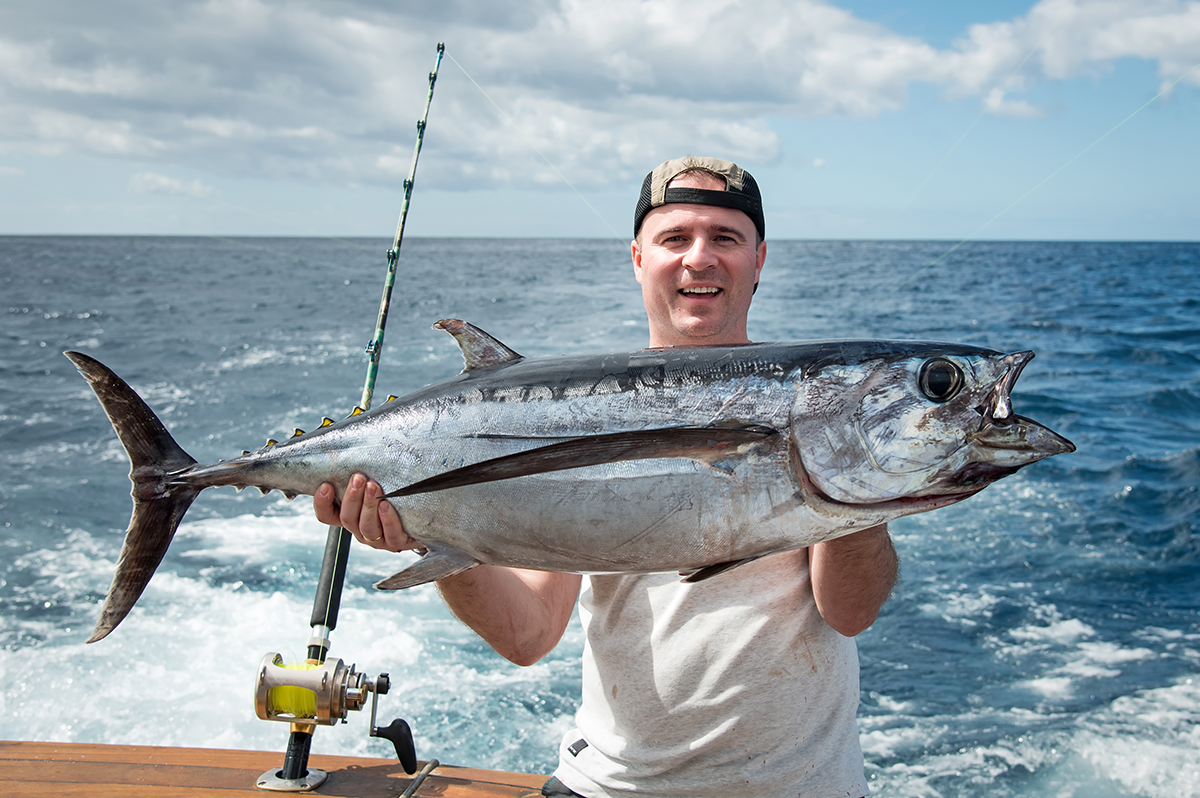 So, if you are still fishing like it is 1995, relying on gut feelings and “this spot worked once” logic, maybe it is time to step it up. Grab an app that actually helps, ignore the ones that are just fluff, and start building your own playbook. Because the guys who put in the effort to fish smarter? They are the ones taking pictures of big fish while everyone else is making excuses.
At the very end of the day, fishing is all about time on the water, but if you can use the right tools to make the most of that time, why would you not? So grab an app that actually helps, forget the ones that do not, and go catch some fish.