How to Use Tide, Temps & Conditions to Predict Fish Behavior
Let’s be honest—everyone loves the idea of just being out there. The boat, the sunrise, the first cast of the day.
But when it’s hour 4 and the cooler’s still dry, that Zen stuff starts to wear thin. That’s when the little voice creeps in: “Did I miss something? Wrong spot? Wrong time?”
And hey, we’ve all been there. Standing on the bow, chucking perfect casts into what feels like a fishless void, wondering if maybe they all just packed up and moved to another zip code.
But fish don’t vanish. They move for reasons. They’re responding to patterns—tides, temperature shifts, feeding windows, pressure drops—real, physical cues. The kind of stuff that shows up plain as day if you know where to look.
That’s where NOAA comes in. The data is public. It’s free. And it’s surprisingly readable if you know what you’re after. Most of it isn’t even fishing-specific—it’s oceanography, weather, and satellite info. But if you fish, that’s all stuff you can use.
You start looking at tide swing, barometric trends, moonset timing, water temps, and structure all together? That’s when things start to click. That’s when you stop hoping and start knowing.
It doesn’t mean you’ll limit out every time, but it does mean you’ll be showing up with a plan that makes sense, and usually that’s enough to separate the good days from the shrug-it-off ones.
So let’s break down some of the key environmental factors that NOAA tracks and show you what each of them can tell you about how fish are going to behave. No old superstitions, no fishing pseudoscience—just cause and effect.
Let’s get into it.
Tracking Tides
The First Thing You Should Check
Out of all the environmental stuff you can obsess over before a trip—moon phase, water temp, wind, barometric pressure—tide is the one you really don’t want to skip. If you don’t know what the water’s doing, you’re basically fishing blind. Tide movement controls how bait moves, and bait movement controls how fish behave. It’s that simple.
NOAA makes this easy. You can pull up accurate tide charts for pretty much any location on the coast, and you’ll get the basics: high tide, low tide, the times, and how high or low the water’s going to get. That last part—the actual height change—is more important than people realize. A high tide that only rises 6 inches? That’s not the same as one that jumps 2 1/2 feet and starts flooding the mangroves.
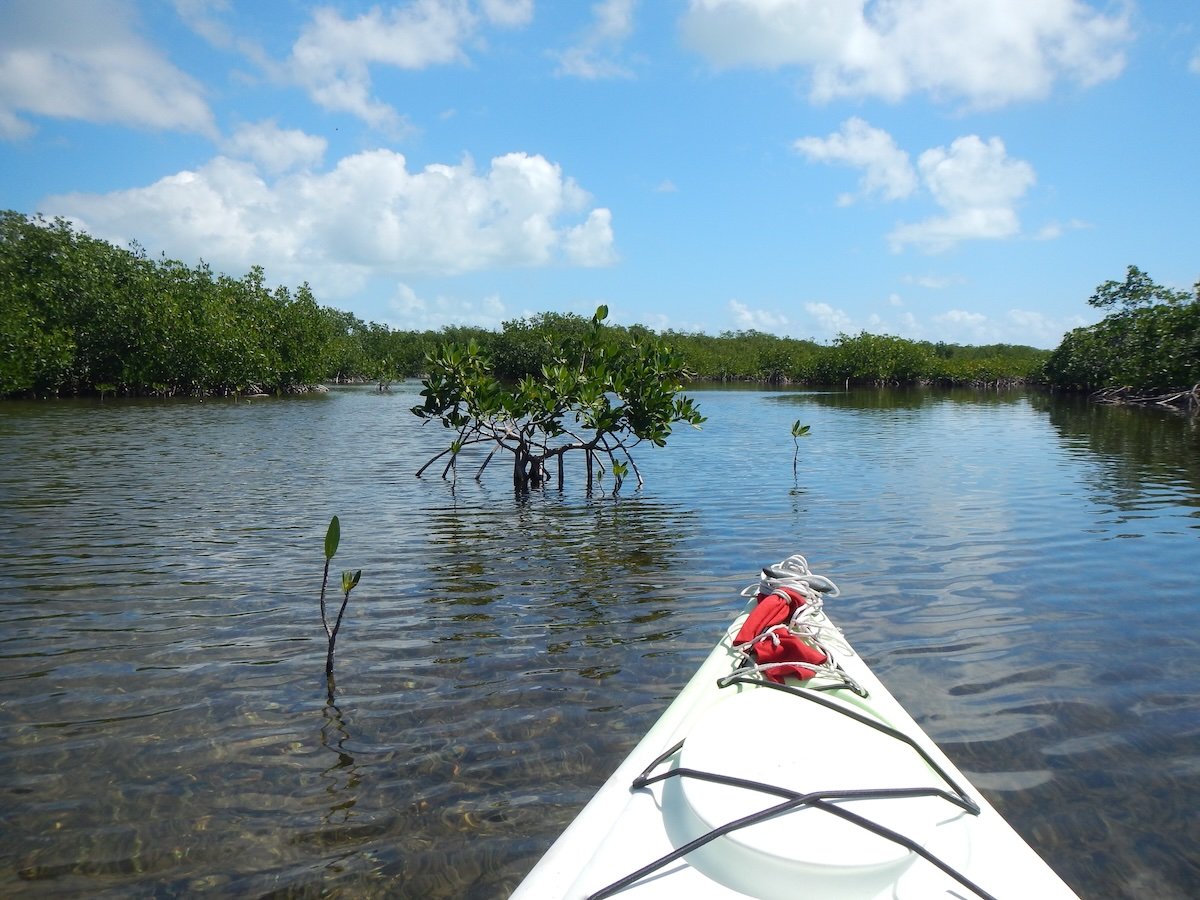
Tide movement is what creates opportunity. On a rising tide, water pushes into shorelines, over oyster bars, onto grass flats—and the bait follows. That’s when you’ll see predators move in tight: redfish tailing on flooded grass, snook stacking in mangrove cuts, flounder slipping up along current seams.
You can fish the same spot on a dead low tide and it’ll feel like a desert. Come back 2 hours later as the water’s rushing in and suddenly it’s alive.
Now on the other side of that coin, low tide has its uses too. Especially when it’s a super low. It pulls water off the flats and concentrates fish into channels, potholes, or along defined drop-offs. If you know your area well—or you’ve got solid charts—those low-tide windows can help you figure out exactly where fish go when they have fewer places to be. It’s also great for scouting. Low tide shows you structure you’d never see otherwise: submerged grass edges, rock piles, little guts that only hold water for an hour or two. All gold.
One detail that gets overlooked a lot is tide coefficient—basically how big the swing is between high and low. Bigger swing? Stronger current. You’ll get those during spring tides, which happen around full and new moons. These are the days where bait really moves, and fish tend to feed more aggressively because the buffet line is constantly shifting.
Neap tides—during quarter moons—are weaker. Less movement. It’s not that you won’t catch fish, but it’ll be more surgical. Instead of working broad feeding zones, you’ll be targeting small, specific ambush spots. Fish are still there, but they’re not chasing down every meal like they would on a fast tide.
And this is where a lot of guys burn a day thinking the fish are just “off.” They’re not off. The conditions just aren’t doing much. That’s when your cast-to-catch ratio gets real tight. You’ve gotta be on the spot they picked, not just a likely area.
Another thing that’s worth mentioning: timing matters more than the label. Don’t get too hung up on “high tide” or “low tide” as categories. What really matters is when the tide is moving. The first hour of incoming or outgoing water is often more productive than just sitting around during peak high or peak low. Moving water = moving food = feeding fish.
Once you get the feel for it, you’ll start seeing tide movement without even checking your watch. You’ll notice the direction the grass is laying, which way your boat swings on anchor, the way a slick starts to drift. But until you get there, use the NOAA chart. Check the height swing, note the times, and think through where fish are going to want to be based on where the food’s going.
Moon Phase
Light & Fish Feeding Windows
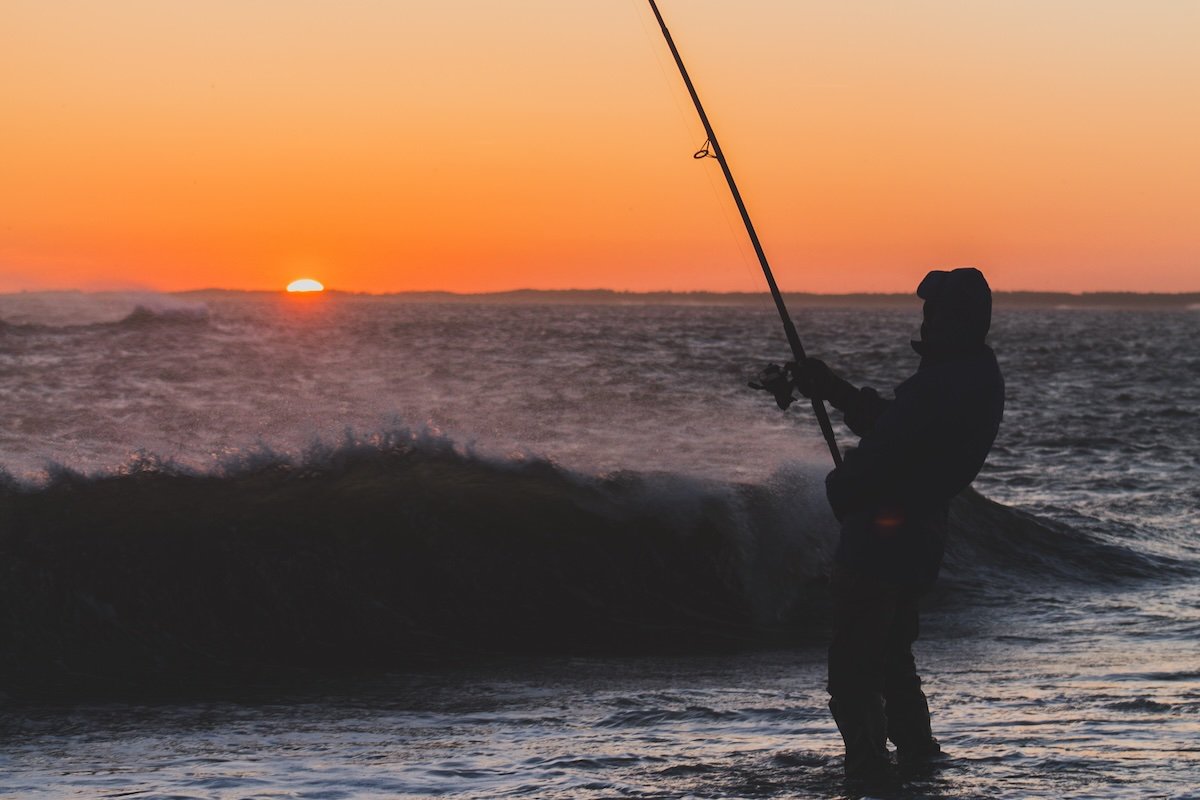
The moon’s one of those things a lot of guys kind of know matters, but don’t always know why or how. You’ll hear people talk about the full moon bite or blame a bad morning on the moon being too bright last night—but it’s not just old-timer superstition. There’s something to it, and once you understand the role moonlight plays in the food chain, you’ll stop showing up at the wrong time wondering why it’s dead quiet.
Here’s the short version: moon phase affects light levels at night, and that light affects how fish—and bait—behave.
A full moon throws a ton of light on the water all night long. That gives predatory fish a chance to feed after dark, especially in clear water. So if they’ve already eaten under that big, bright moon, you roll in at sunrise with your coffee and topwater rig and wonder why nobody’s hungry. They already ate.
Now flip that around. On a new moon, it’s pitch black at night. Most fish aren’t out there chasing bait they can’t see. So come dawn or dusk—those low-light periods where the edge of the day lines up with just enough visibility—that’s when they turn on. You’ll often see better morning and evening bites around new moons for that exact reason: the table’s finally set.
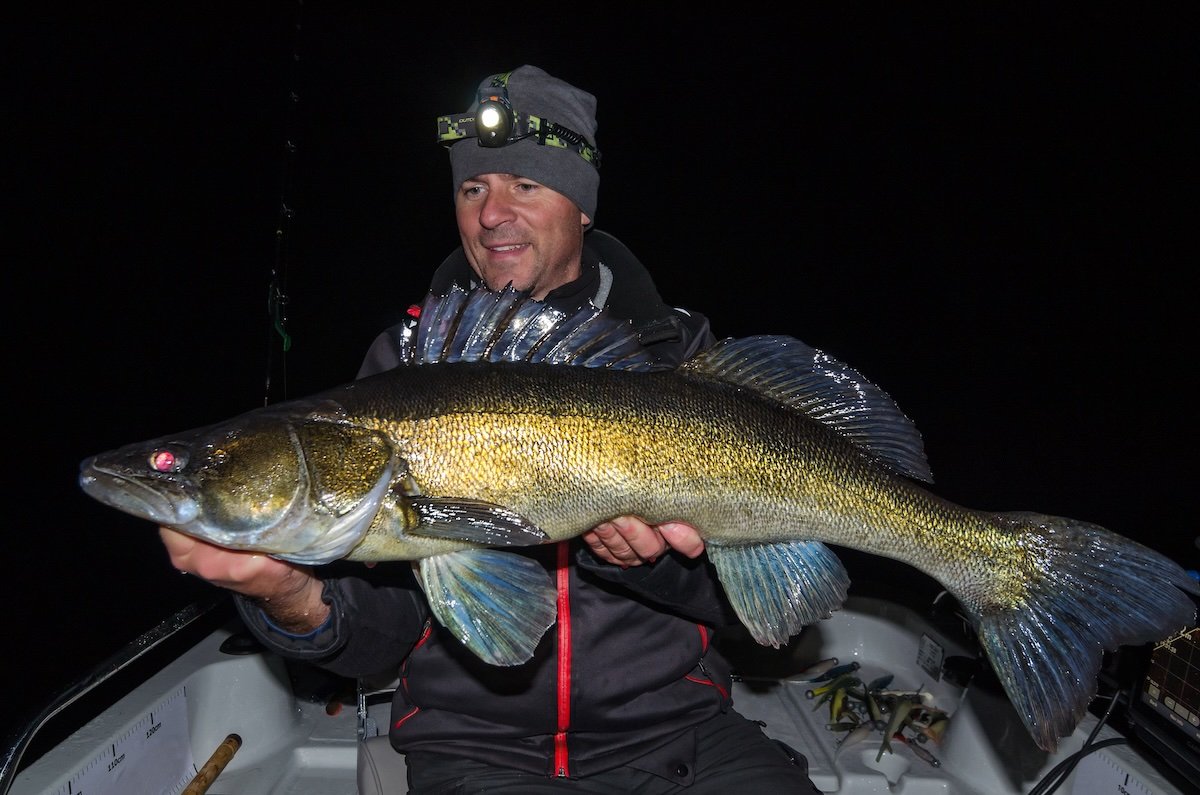
Some folks go deep on solunar tables, and if that’s your thing, go for it. They factor in moon overhead and underfoot positions, magnetic influences, and all kinds of wild stuff. But if you’re trying to keep it practical, the most useful part is actually just tracking moonrise and moonset times. Those matter way more than the phase itself.
Here’s why: when moonrise or moonset overlaps with a natural feeding window—like sunrise or sunset—it stacks the deck. You get a change in light and a gravitational shift at the same time. That’s when bait gets nervous, birds start moving, and fish get active. You don’t need a spreadsheet or anything. Just glance at your tide app or NOAA chart the night before and look for those overlaps. If moonset is at 6:43 a.m. and sunrise is at 6:58 a.m., don’t sleep in.
And one more thing most people don’t think about: moon position also ties into tide strength. During full and new moons, the gravitational pull is strongest, which creates spring tides—those big, high highs and low lows. More water movement means more bait movement, which means more feeding. So even if the moon isn’t affecting light much in that moment, it might still be supercharging the whole system underneath the surface.
That’s the kind of thing you only really notice if you start writing it down. You fish enough full moon mornings that feel like duds and then one day it clicks: oh, they already did their feeding shift overnight. Or you start catching them like crazy right before moonset and wonder why the bite shut off right after. You’re not crazy. The moon just clocked out.
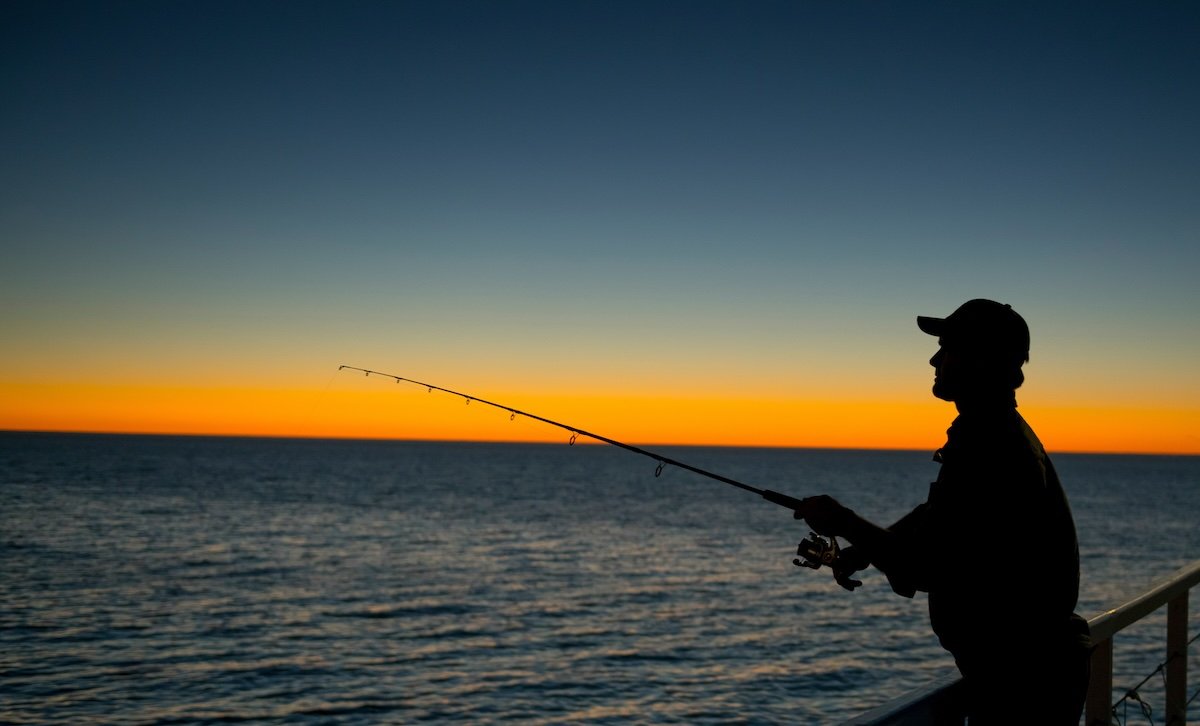
If you’re already planning your trip around the tide, it’s not much extra effort to peek at the moon info while you’re at it. Pair it with wind, pressure, and water temp, and you’re not guessing anymore. You’re fishing with a little inside intel.
One more thing: Around a full moon, fish tend to feed more at night. So don’t be shocked if the morning bite’s slower than usual. This is one of those rare times in life that you can safely tell everyone it’s not you—it’s the moon.
Water Temperature
Know Their Comfort Zone
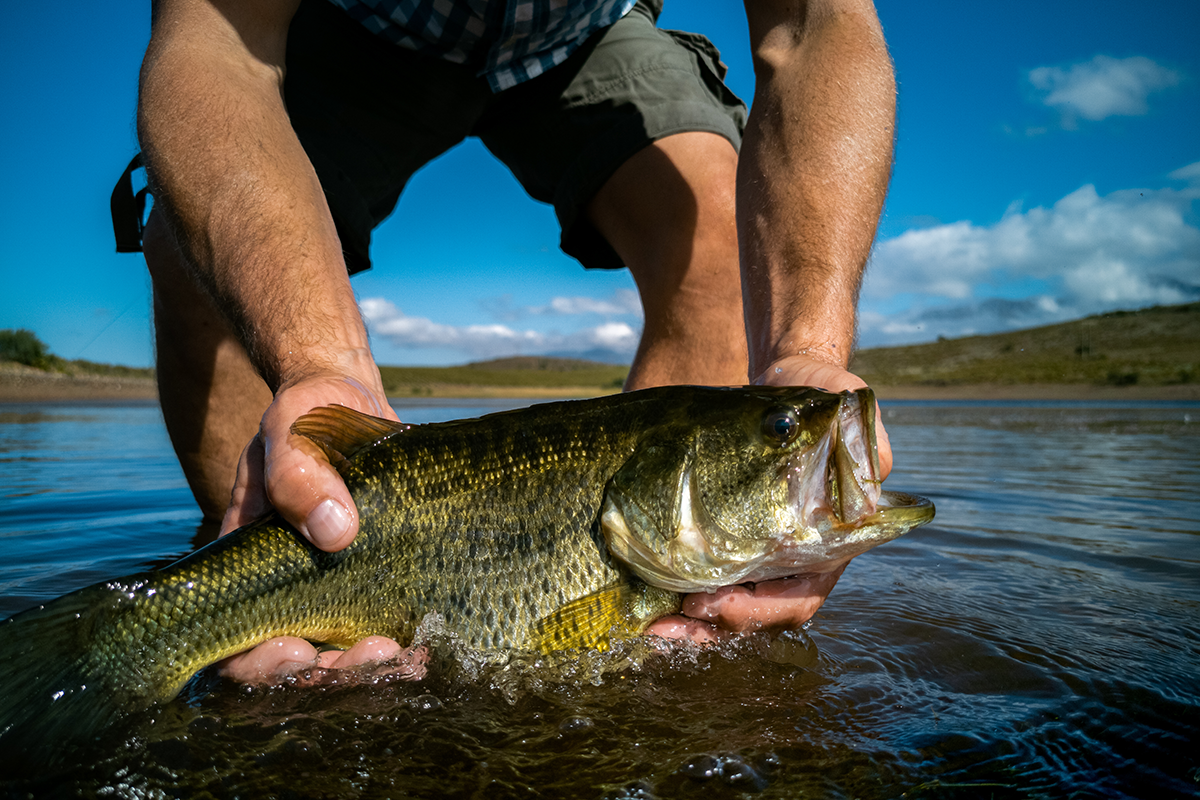
Every fish has a temperature range it likes. Too cold and they shut down. Too hot and they dive deep or head for cooler water. NOAA’s sea surface temperature maps and buoy stations let you track real-time temps across coasts and lakes.
For example, spotted seatrout are most active between about 60°F and 75°F. Drop below 55°F and they go sluggish.
Largemouth bass? They start getting aggressive when the water creeps into the 60s, and spawn around 65–75°F.
One of the easiest mistakes to make is fishing the right spot at the wrong temp. You can work a flat all day long, but if the water’s too cold for those fish to push shallow, they won’t be there. Or they’ll be there, but locked jawed.
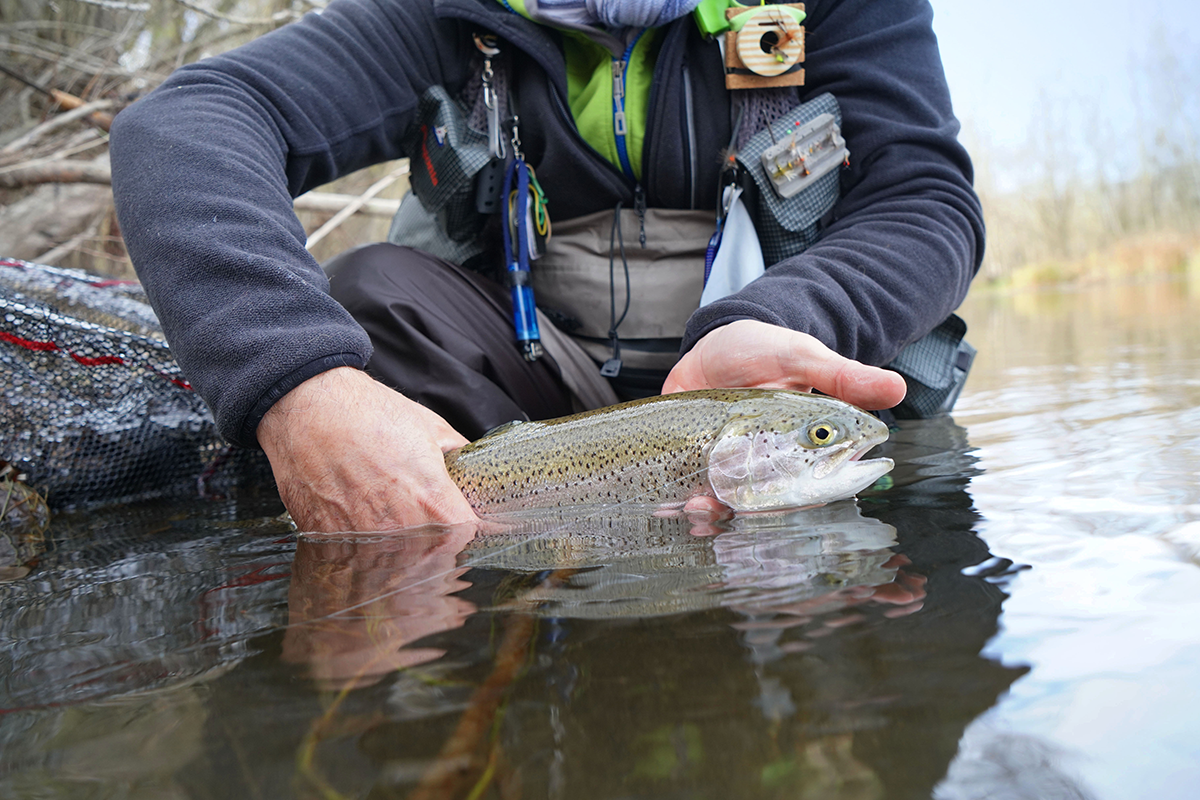
Water temps also tie into seasonal transitions. A sudden warm front in early spring can kick off a pre-spawn rush. A cold snap in the fall can push fish off structure and into deeper holes overnight.
Water Depth & Bottom Structure
Where They Hold
Tide and temperature tell you when fish are active. Water depth and structure tell you where they’ll sit. NOAA’s bathymetric maps give you all the contours you need—drop-offs, ledges, humps, and channels.
Fish like edges. A depth change of even a few feet can concentrate them, especially when the current’s pushing bait against that edge. Deeper water near shallow flats is money in the colder months, when fish want access to warmth but still need security.
One time, we fished a flat all morning with nothing to show. Pulled back to a nearby channel edge where it dropped from 4 to 10 feet—and there they were. Tide had been slack earlier, but once it turned, the fish stacked on the edge like clockwork. It’s one of those moments you realize that 6 feet of depth change is all it takes.

If you fish new spots often, it’s worth printing or saving a bathymetric overlay for your area. Even small changes in bottom profile—humps, holes, or subtle points—can hold fish when conditions line up.
Wind & Barometric Pressure
The Subtle Signals
Wind and barometric pressure won’t always tell you where fish are—but they’ll often tell you when they’re going to eat.
Most fish can sense changes in pressure, and they’ll often feed right before a front rolls in. Once that pressure starts rising after a storm passes, the bite usually slows down.
It’s not voodoo—it’s basic biology. Changing pressure messes with their swim bladders and makes them more active. You’ll sometimes see bass, redfish, or even offshore species get fired up during the hours before a big front. That’s the window.
Wind makes a difference too. Light wind can help create ripple, reduce visibility, and make fish less spooky. Too much wind, though, can blow bait out of areas or make boat control miserable.
Always watch where the wind’s been coming from for a day or two—not just the day of. It shapes where bait stacks up.
Currents and Salinity
Hidden Corridors
You don’t need to fish the Gulf Stream to care about currents. NOAA’s surface current maps and salinity charts help you read how freshwater inflows or ocean currents push bait and shift fish movement, especially in inlets, bays, and marshes.
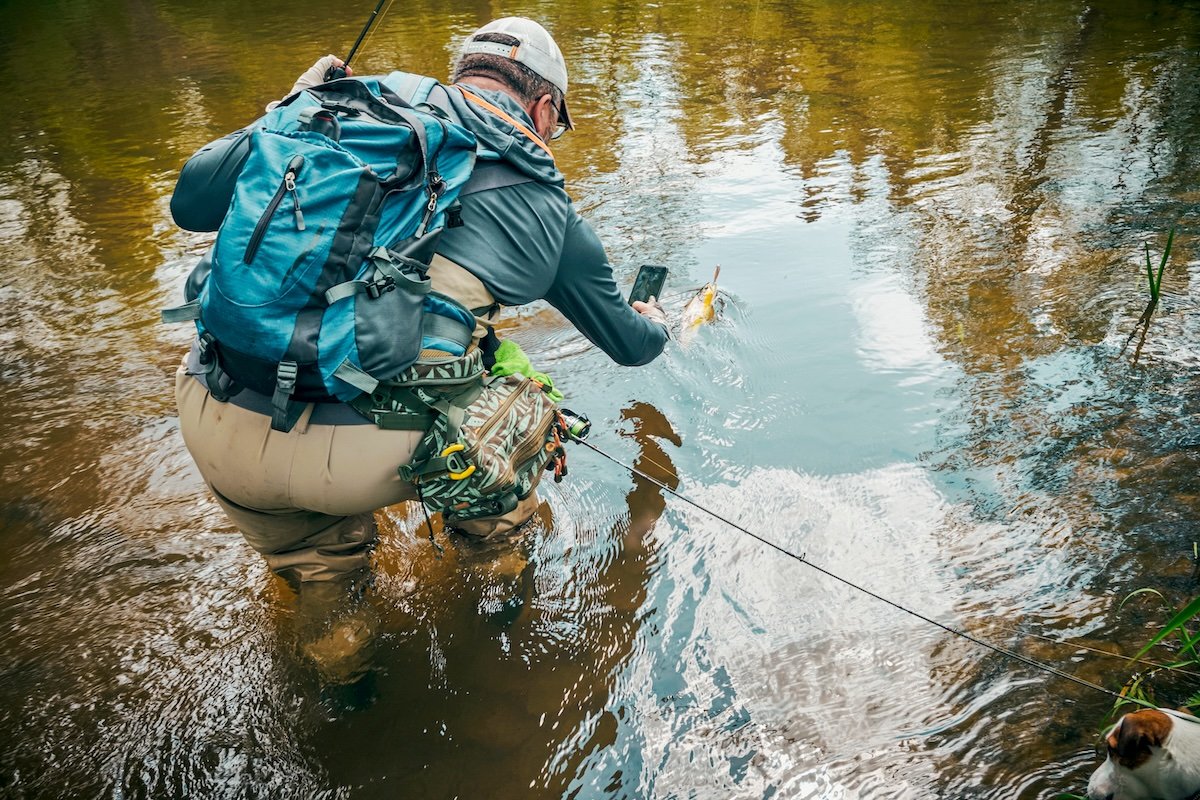
Rain runoff changes everything in brackish zones. A storm upstream can push salty water out of a marsh system and send species like snook or tarpon closer to the mouths. Freshwater fish like largemouth might move further in.
Salinity also plays into spawn cycles. If you’re trying to find early-season speckled trout or redfish in estuarine systems, keeping an eye on salinity trends will tell you a lot about where they’re staging.
Putting It All Together
Build a Pattern, Not a Guess
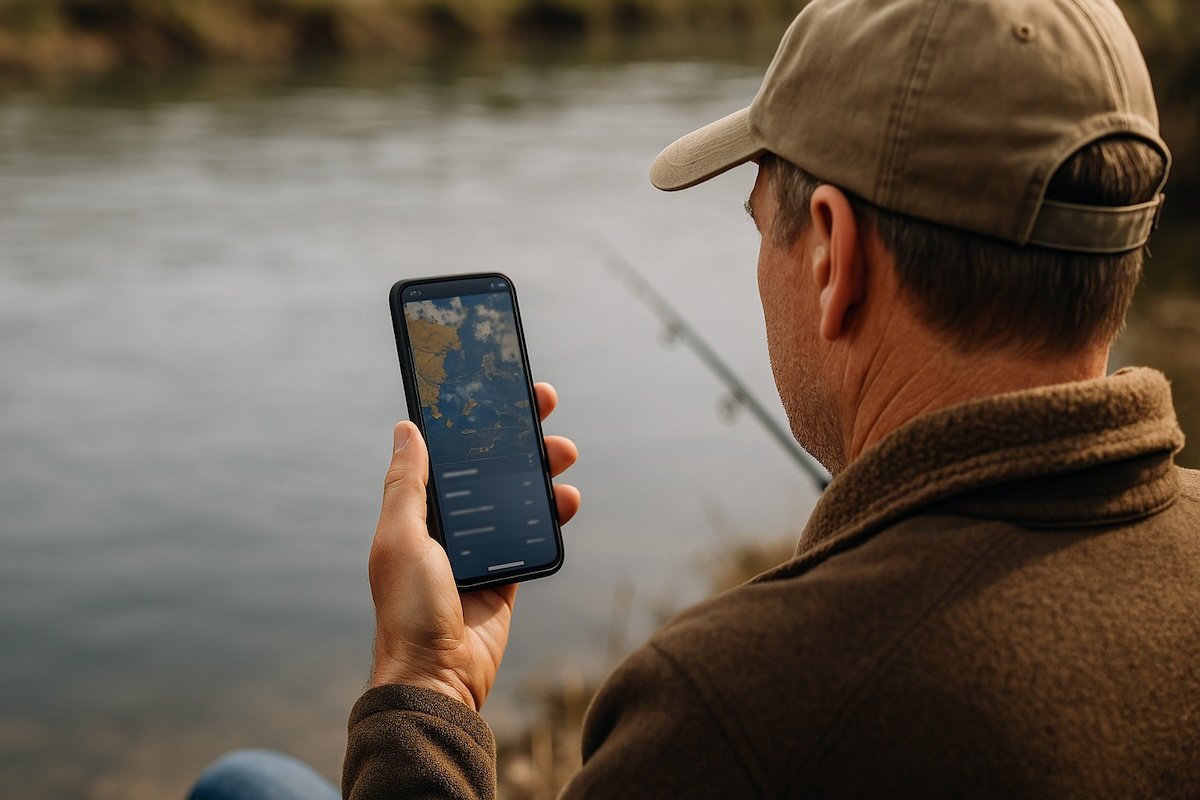 If you take one thing from all this, let it be this: fish behavior isn’t random. The more of these variables you start logging—tide, temp, moon, pressure, wind—the more you’ll see patterns in where and when you get bit.
Try this: next time you fish, write down the NOAA data from that day—tide times, moon phase, water temp, and barometric pressure trend. Then write down what happened. Where you fished. What you caught. What didn’t work.
After a few trips, you’ll start to see things that never show up on a sonar. You’ll see that one flat only holds reds on a strong incoming tide. Or that the topwater bite you thought was random? Always happened when pressure was falling and wind was out of the southeast.
Fishing Apps for Keeping Track of Catches & Conditions
You don’t need to log every cast to start seeing what works. Even a half-decent notebook and a couple honest observations after each trip will make you a better fisherman than you were last season. But if you do want to start getting surgical about it—without turning fishing into a second job—there are one or two good fishing apps out there that actually do a pretty solid job of tracking all this stuff.
The best one I’ve run into is called Log.Fish. It’s not one of those overly flashy apps trying to be Instagram for fishermen or map every bite on the coast. It’s more like a smart, simple logbook with NOAA data baked into it.
Here’s how it works: you catch a fish, take a picture, and that’s it. The app pulls the photo’s location, time, and date—and then automatically fills in everything else that matters. Tide, moon phase, barometric pressure, water temp, water depth—real NOAA data from that exact spot and time.
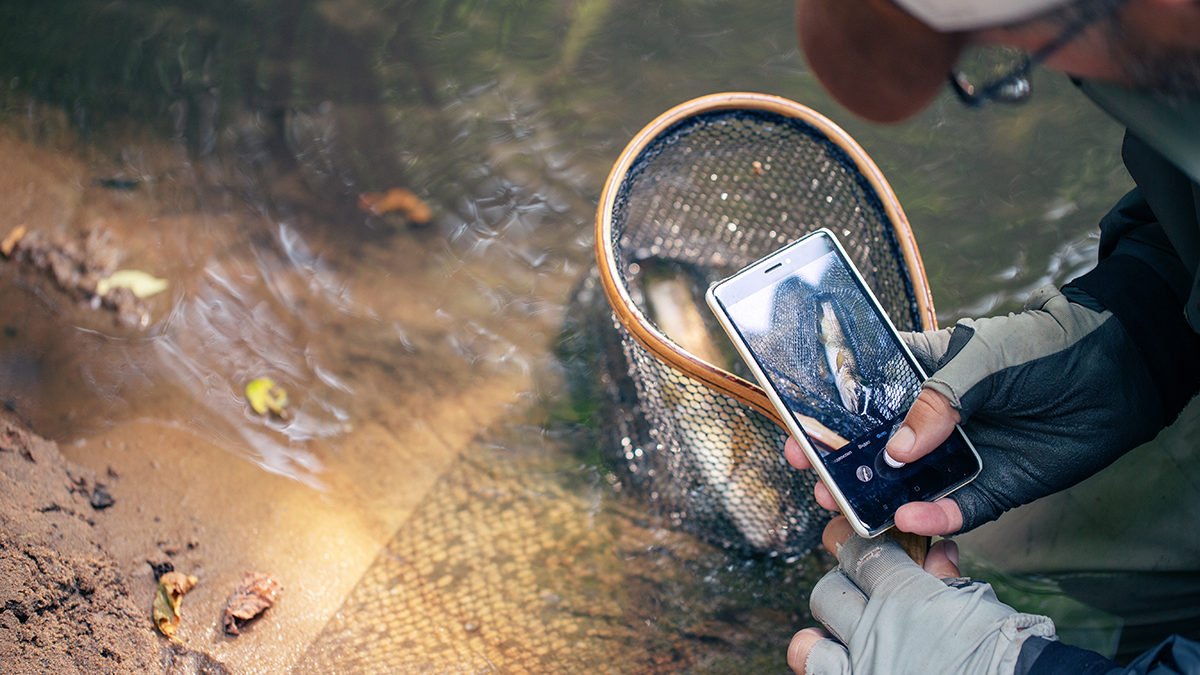
What’s nice is you don’t have to remember to check all this stuff before the trip. Just snap a photo when you land a fish, and the app builds the data profile for you. Later, when you’re home with a beer in your hand, you can scroll through your catches and start connecting the dots without needing to be a scientist.
It doesn’t try to “gamify” fishing or turn your spots into social media posts, either. Everything is private by default. Nobody else sees your spots, your catches, or your patterns—unless you decide to share them. And for most of us, we’re not sharing anything. We’re just trying to remember what made the bite happen so we can do it again.
And if you do want to share your data or sell it to help improve fisheries or contribute to research, that’s an option too. But nothing gets posted without you choosing it.
That’s a good balance—because hey, part of fishing is keeping a few cards close to the vest.
So yeah, if you’re tired of writing down barometer readings and scribbling notes in the truck after every trip, it’s worth checking out. It’s like keeping a super detailed fishing journal without actually having to keep one. Just fish, snap a photo, and let it do all the heavy lifting behind the scenes for you.
Final Thoughts
There’s nothing wrong with fishing by feel. Plenty of fishermen do it that way. But if you want to get more consistent—if you’re tired of “they just weren’t biting today”—then using NOAA data as part of your prep is worth its weight in gold.
You don’t need to be a data scientist, or a weatherman for that matter. You just need to know what data to trust, and how to use it like a set of clues.
Fish don’t follow anyone’s schedule—but they do follow patterns. And being aware of how they react to different conditions helps you know what they’re going to do before you even hit the water.