How Weather Affects Fishing
We’ve all pulled up to the ramp on what looked like a “perfect” day—blue skies, calm water, comfortable air—and watched the graph stay flat for hours. Then there are the ugly days that shouldn’t have worked out but somehow did, where the wind howled just right and the fish seemed to forget what caution was.
Weather does that. It turns simple plans into fishing patterns and trends you can analyze—if you know how to read what it’s really saying.
Last spring, we watched a low-pressure front roll in over the marsh after two days of steady south wind. The water was stained, the tide still rising, and the barometer dropping fast. Every instinct said to stay home—it looked like a washout—but the pattern was perfect.
By the time the first gust hit, the bait had stacked tight along a windblown grass line, and in 20 minutes or so a redfish cruised up out of the chop and crushed the jig right at the rod tip. That wasn’t luck. It was the forecast lining up with the notes from a day that looked almost the same, years before.
Most people glance at the forecast to see if it’ll rain or not. Fishermen look at it to see how the whole system’s about to behave. What’s warming, cooling, moving, or stalling. It’s the set of gears that drives every bite window. And once you’ve seen how all those little gears turn together—air warming the surface, pressure sliding the wind around, clouds changing the light just enough—it becomes some truly valuable information to keep track of.
The Wind Factor
If there’s one piece of weather data that separates a decent day from… well, a non-decent one, it’s wind. Not just “is it blowing,” but where it’s blowing, for how long, and what it’s doing to the surface.
A stiff breeze that’s been hammering the same bank all afternoon doesn’t only make it choppy, it’s literally moving food around. Bait gets pushed, plankton piles up, and predators know it. The downwind side of a lake or bay becomes a buffet line. There’s a sweet spot in it, though. Too light and nothing really shifts, too heavy and you can’t hold position or see what’s happening under the surface.
Moderate wind—let’s call it that steady ripple that forces you to watch your hat brim—is the magic range most fishermen eventually learn to chase. On those days, you can almost feel the fish relax and spread out.
Of course, a lot of us learned that the hard way: running from wind instead of using it. Calm coves might be nice to fish from, but they can be dead zones when everything else is moving. Now I’ll pick the breezy side every time if the clarity holds, especially after that wind’s been working the same direction for hours.
Pressure and Fronts
Barometric pressure is where things get a little mystical in fishing circles, and that’s probably because it’s easier to blame than to measure. The short version: falling pressure usually means wind and clouds on the way, rising pressure usually means calm, bright skies. (Fish like the first one better.)
When a front is moving in, you get wind mixing the surface, clouds cutting light, and humidity softening visibility underwater. That loosens fish from cover and lets them roam. When a front passes and the pressure spikes, you get those “bluebird” days—no wind, no cover from clouds, high sun—and everything hunkers down.
The trend matters more than the number. Falling and steady means active; rising usually means you’ll have to downsize and slow down. And if you’re logging your days, you’ll see that pressure doesn’t kill bites on its own—it just stacks with light, wind, and temperature in ways that make fish cautious or bold.
Cloud Cover and Light
If there’s a secret ingredient in weather that does more than most people realize, it’s light. Clouds aren’t just shade—they’re mood lighting. (Yeah, I know how that sounds—hang with me here.)
Overcast conditions flatten contrast underwater. Instead of that harsh top-down beam, you get an even, muted glow that penetrates the water at shallower angles. Underwater, that means fewer hard shadows and softer contrast—so predators can move farther from structure without giving themselves away. The whole scene looks flatter, but safer, to both prey and predator.
Bright, cloudless days are the opposite. Fish pull tighter to shade lines, dock shadows, and deeper breaks. It’s not that they won’t eat—it’s just that they’ll only do it in comfort zones. On partly cloudy days, I’ll watch for that moment when the sun dips behind a thick cloud. You can feel the energy shift. A 10 minute bite window opens, then it’s gone as soon as the light returns.
There’s no real substitute for paying attention to how light feels on your own water. On clear lakes, even a small chop from wind can act like a cloud layer, scattering reflections and masking movement. Once you start thinking of clouds and surface texture as parts of the same “light filter,” your brain rewires how it reads the sky.
Another piece of the visibility puzzle is turbidity—how stirred up or stained the water gets after wind or rain. When it muddies, sight-hunting fish switch to their lateral line, tracking vibration and pressure instead of color or flash. In those moments, thump, pulse, or subtle water displacement from a lure will outwork anything purely visual. On the flip side, when the water clears up, that same noise can spook them fast, so tone it down and match the clarity.
Temperature Swings (and the “Momentum” of Weather)
You can’t talk weather without talking temperature, but what most fishermen miss is that it’s less about the number and more about direction. A steady seventy-two doesn’t tell you much. A stretch of seventy-twos after a run of sixties tells you everything. That’s what I mean by momentum—where the weather’s been heading, not where it sits right now.
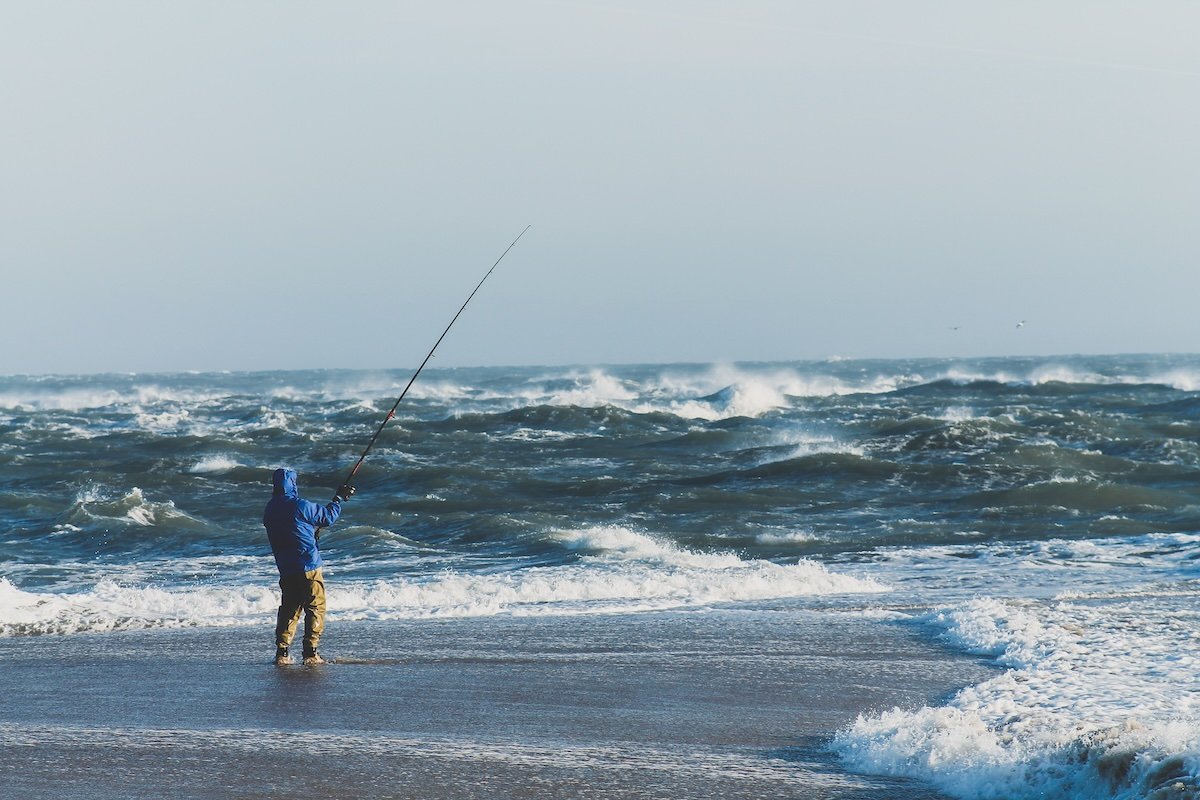
Warm spells pull life shallow. Cold snaps shove it deep. But it’s the trend line that controls behavior, especially in water less than ten feet deep. One afternoon of sunshine won’t make much difference if the previous nights dropped into the forties. The surface warms up fast, but the fish can feel that cold layer still pressing underneath. Give it two or three days of stable warmth, and suddenly those same flats are crawling with life.
It works the other way too. Early fall fronts can strip ten degrees off the surface in forty-eight hours. That first one of the season always catches folks off guard. They’ll keep fishing the bank while the bass have already slid to the first break. Once you start paying attention to the rate of change, not just the thermometer, you’ll see that fish are reacting to what’s coming, not what’s current.
Rain, Humidity, and Oxygen
Rain’s another one of those double-edged weather cues. A soft drizzle with a bit of wind? That’s money—light’s diffused, insects and worms are washing in, and oxygen spikes near the surface.
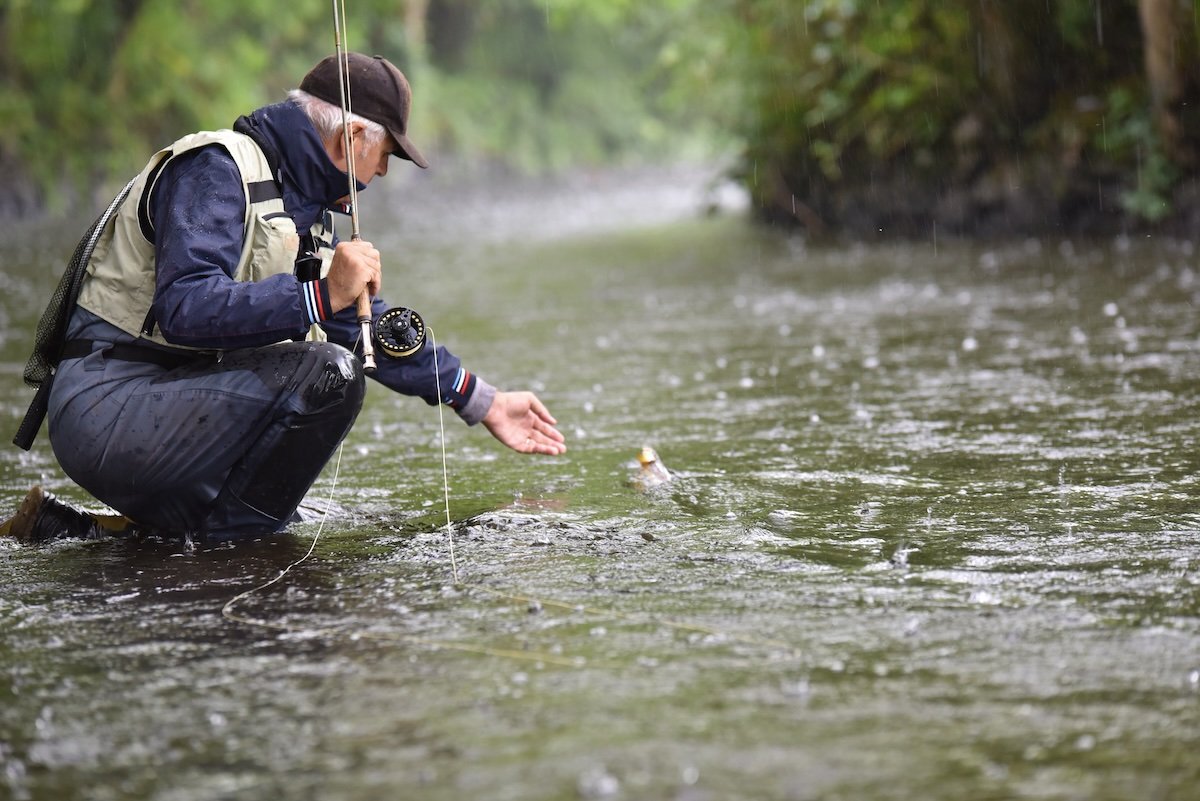
A cold, hard downpour right after a front? That’s more of a reset button. Everything hunkers down until the system evens out again.
Humidity is harder to read on paper, but you can feel it. Muggy, heavy air often means low pressure and cloud cover—both usually good signs. Dry, clear air feels nice to breathe but often comes with that “dead calm” that flattens the bite.
Something important to be aware of is that rain and humidity change the water chemistry. Fresh oxygen from raindrops and wave action wakes up the entire food chain. That’s why those gray mornings before the storm, when the drizzle starts and the wind has a little bite, often seem to turn into the kind of days you remember years later.
Stacking the Variables
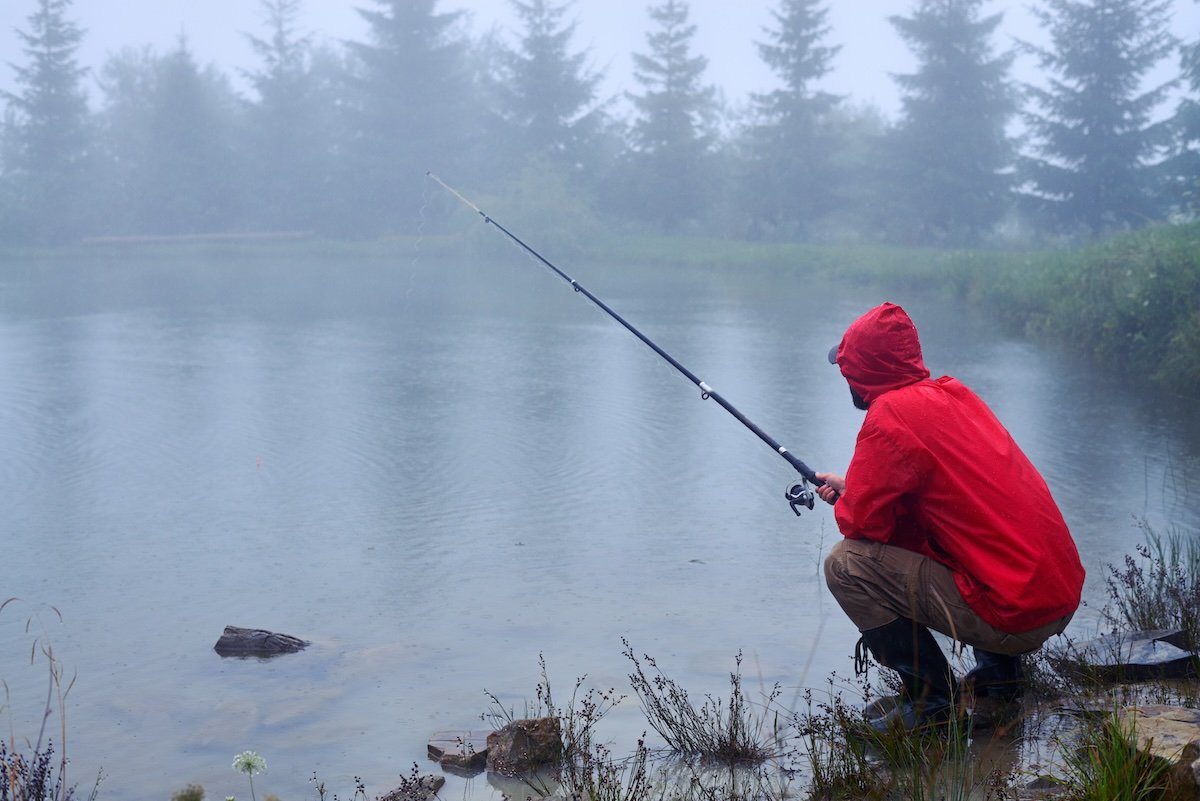
Every weather factor we’ve talked about—wind, pressure, temperature, light, rain—they’re not separate levers. They’re threads in one rope. You’ll get your best read when you start tying them together.
Let’s say you’ve got a south wind building for two days, a mild front dropping pressure, and the forecast calling for light rain in the afternoon. That’s not a coincidence—that’s a setup. By the time that front edges in, the downwind banks will be loaded with bait, the sky will soften, and the fish will already be primed.
I keep a habit of glancing at the full 5-day forecast instead of just tomorrow. You start to see it all forming, where the air masses are moving, what’s been stable, what’s about to break. It’s not necessarily to predict the bite perfectly 100% of the time, but you can always narrow the window so that you’re on the water when the odds are already leaning your way.
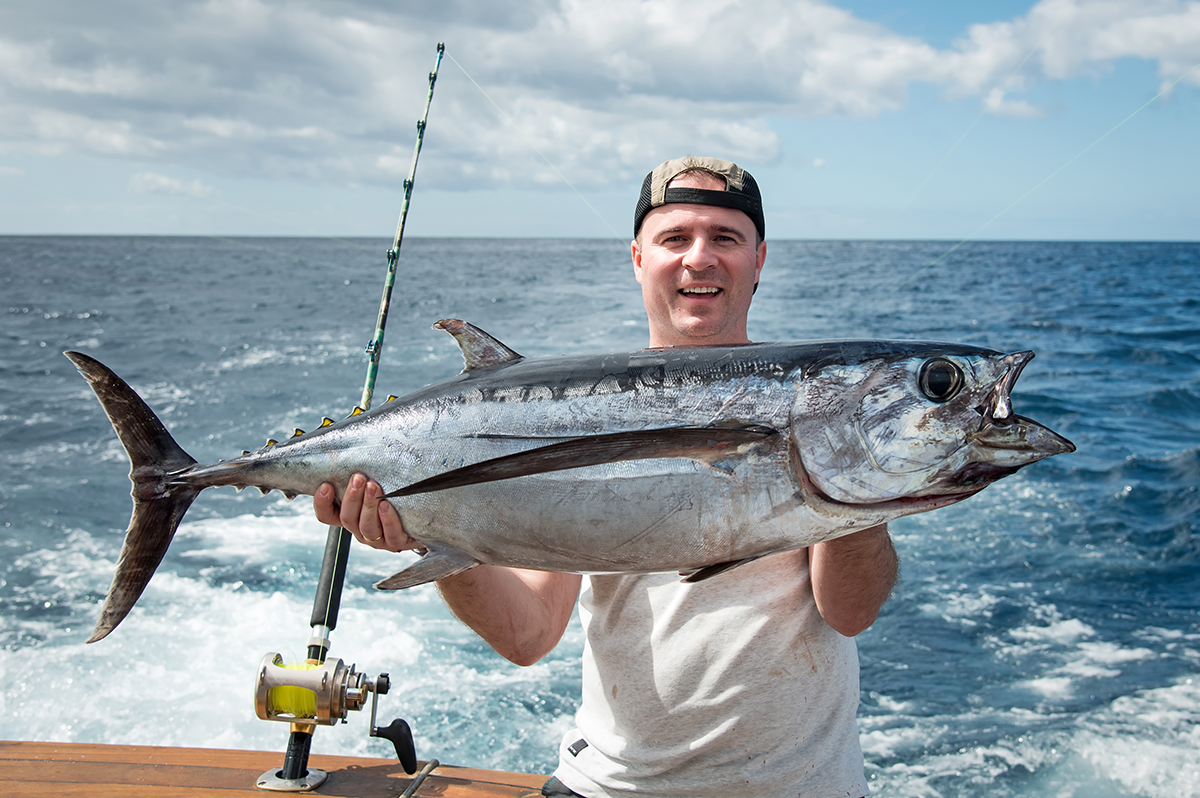
And that’s really the trick. Weather isn’t something you figure out once and move on from. It’s something you just get a feel for the more time you spend on the water, and the more you track your catches. Every front, warm spell, and sudden calm shows you a little more about how your water “works.” The forecast is just the first hint. The real confirmation comes from seeing it line up with your own logs.
Keeping Track of Weather (And Your Catches)
Weather forecasts can tell you about the same conditions your fish are responding to. Every detail on that screen plays a part: wind arrows show you where food’s drifting, pressure lines hint at how the system’s shifting, and temperature forecasts reveal whether the water’s gaining or losing heat.
Once you start reading those pieces together, it stops being noise and starts being signal. For example, when you check wind, don’t just glance at direction—follow it across your map. Think about which points, bays, or shorelines that wind has been feeding for a day or two. That’s where the life gathers. With pressure, you want to look at the slope of the line, not the number itself. A quick fall stacks energy, a quick rise cools it off.
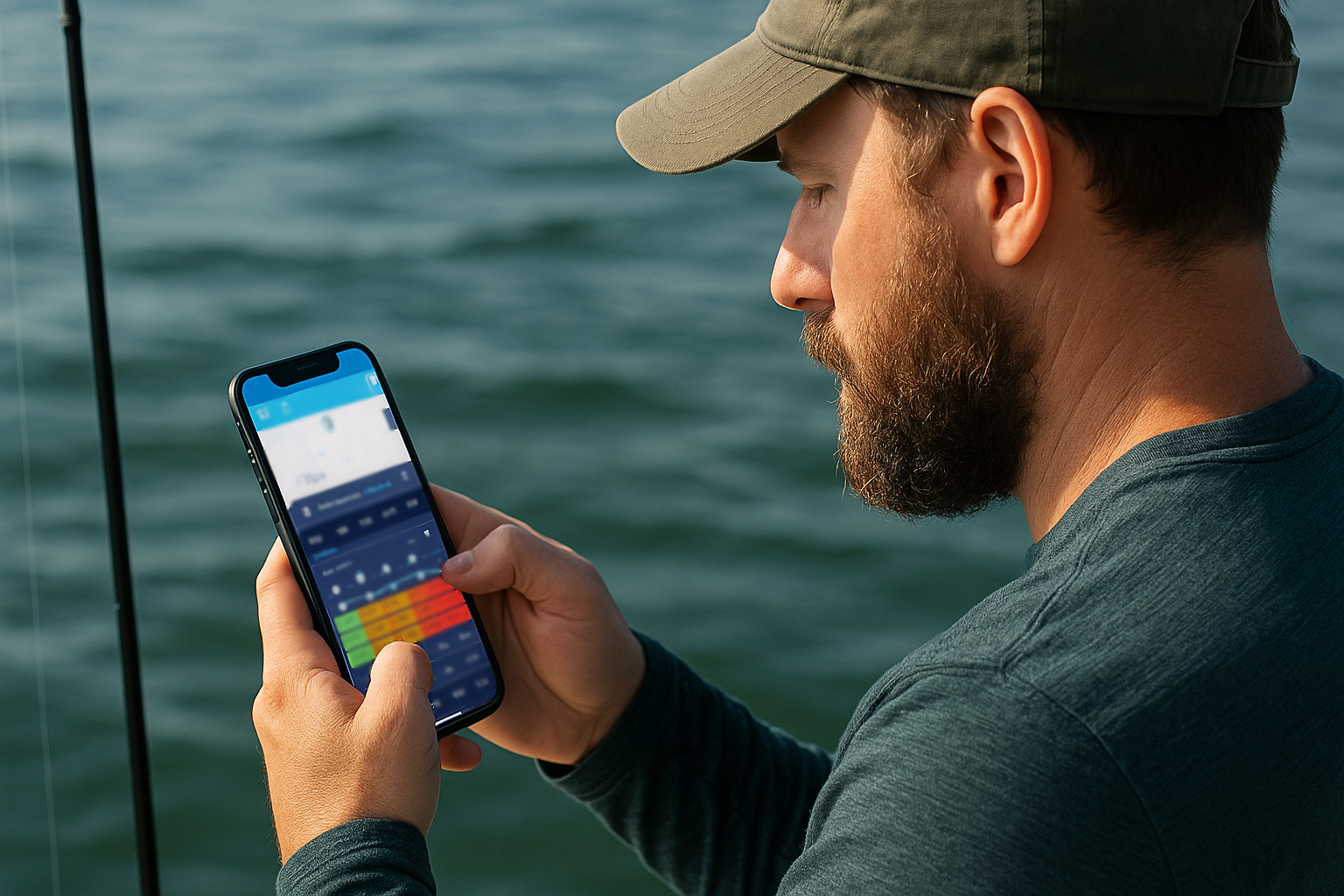
Temperature graphs tell you just as much. Those hour-by-hour curves, the difference between day and night—they’re clues to what’s happening under the surface. When the nightly lows keep inching up, the water column’s warming overall, and movement picks up. When nights drop hard, it’s the opposite—fish clamp down and slide deeper.
How deep you take this is up to you. Some fishermen build structured logs and color-coded data sets, some rely on patterns they’ve tracked trip by trip. Either way, the consistency matters more than the method. Each new entry sharpens your read of what the forecast is really saying.
Just remember, there’s reading the weather and there’s tempting it. When that line of storms builds faster than the forecast said it would, reel up and go. The whole point of tracking these patterns is to catch more fish, not to find out what a lightning shelf looks like from the water.
If you already keep a fishing log, you’re ahead of the game. The next step is connecting what you see in the forecast with what you’ve seen on the water—so the next time those same conditions line up, you know exactly what to expect.