How Wind Speed & Direction Affect Fishing
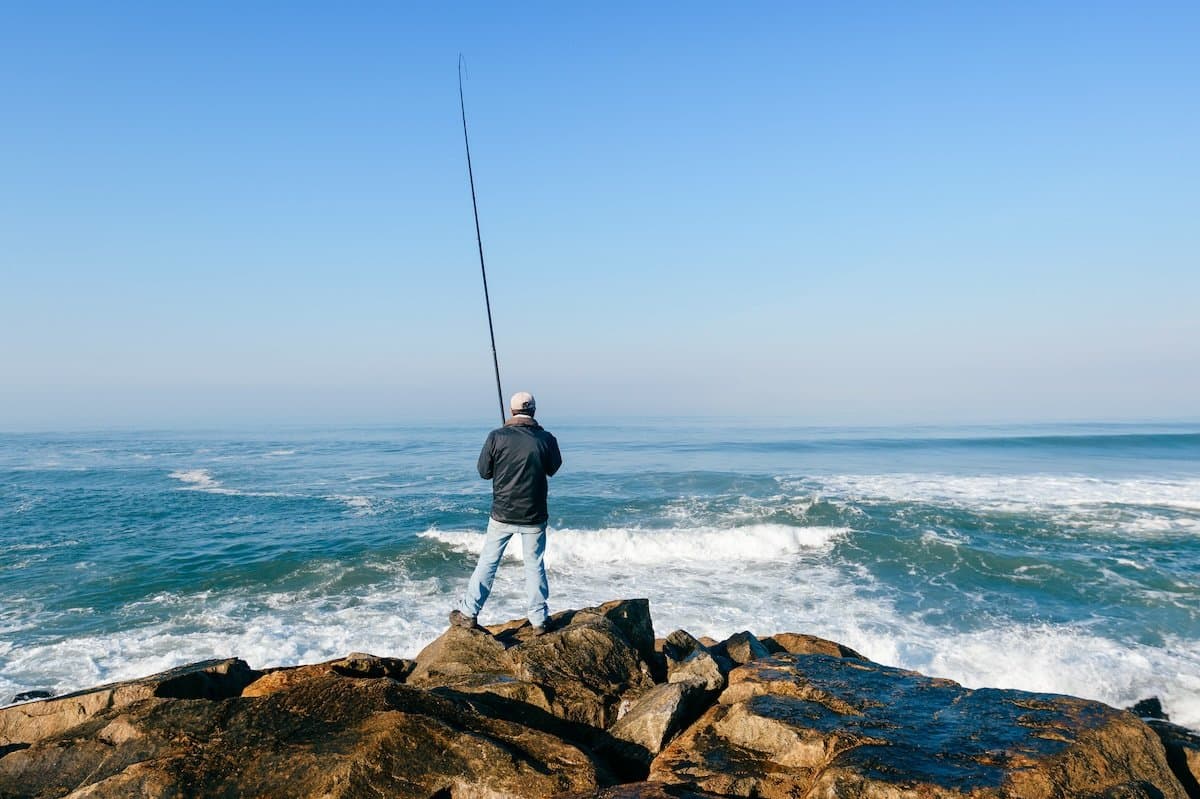
Most fishermen know to check the weather before heading out to fish. But not everybody takes wind seriously. Sure, nobody likes getting tossed around in a boat, but wind does more than just make for a rough day. It moves water. It pushes bait. It stirs up the bottom. It even decides where fish hold, how they feed, and whether they feel like biting at all.
Some days, it’s the difference between getting skunked and landing a full stringer.
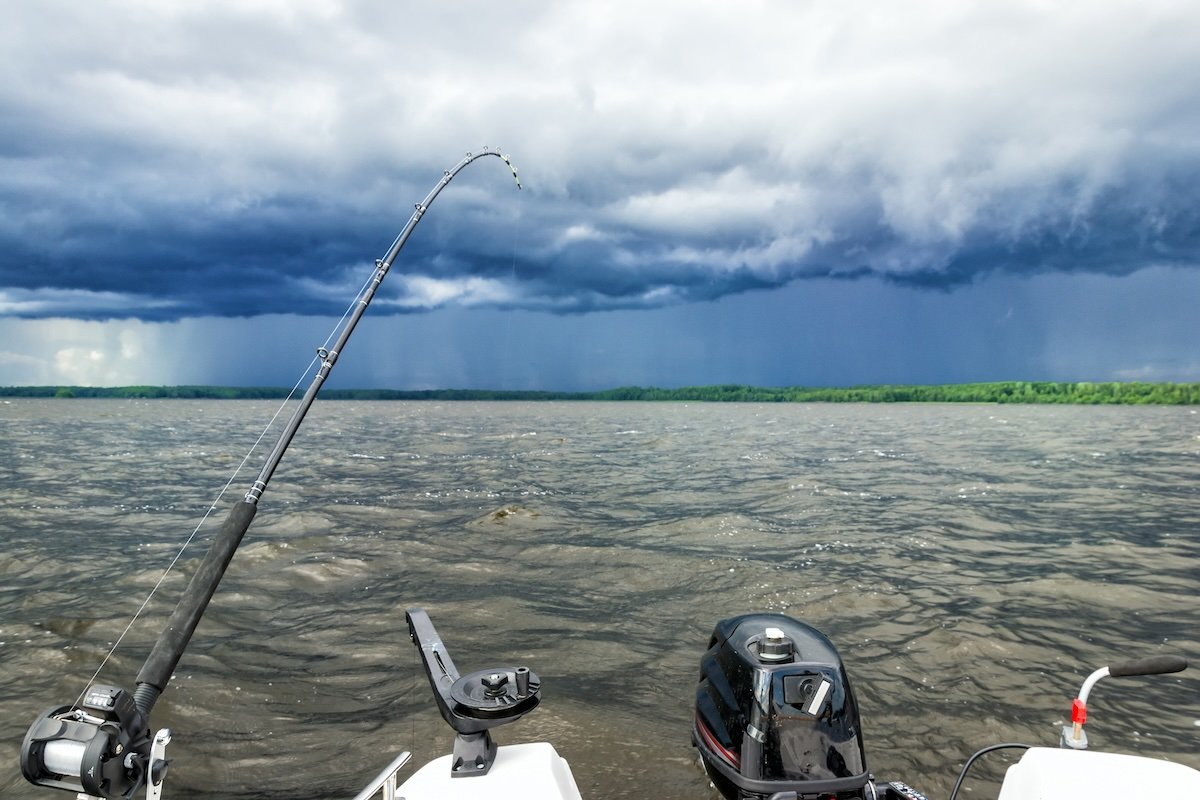
You don’t need a meteorology degree to predict how the weather will affect fish behavior. You just need a little patience, some time out on the water, and a good handle on how conditions (i.e. wind, tides, temperatures, etc.) affect fishing. Let’s break it down by speed, direction, and water type—because what works on a breezy bass lake might look completely different on a wind-blown saltwater flat.
Wind Direction
How It Can Tell You Where The Fish Are
Wind direction is one of the most important clues a fisherman can use. Wherever the wind is blowing, it is pushing surface water, plankton, baitfish—and the game fish are going to follow.
If the wind has been blowing hard from the east for a day or 2, chances are you’ll find fish stacked up on the western shoreline.
Freshwater
- Lakes & Ponds: Wind blowing into a shoreline usually brings in oxygenated surface water and baitfish. That makes windblown banks solid places to fish—bass, crappie, even catfish will feed more actively here. The stirred-up water can also reduce visibility, which helps especially if you are fishing during the day and want to avoid spooking fish.
- Rivers & Reservoirs: Direction matters less in moving water, but wind can still concentrate bait in coves or against dam walls. Pay attention to crosswinds on open stretches—they can stack baitfish and debris along one side of the lake.
Saltwater
- Flats/Estuaries: A steady wind pushes water, bait, and food particles across the flat. Redfish and speckled trout will follow that flow. If the wind is blowing into a marsh drain or creek mouth, you better believe predators will be holding there, waiting on an easy meal.
- Beaches & Inlets: Onshore winds (blowing from the water to land) can churn up the surf and make the water dirty, which sometimes helps and sometimes hurts. For instance, pompano and whiting may feed more aggressively in slightly stirred-up water. But if it gets too muddy, or the waves are crashing too hard, they will move out deeper.
Wind Speed
Gentle Push or Game-Changer?
Light to moderate wind is usually a good thing. It breaks up the surface, makes fish less wary, and gets everything moving. But strong wind? That can ruin a bite—or force you to adjust your game entirely.
Freshwater
- Under 10 mph: This is the sweet spot. Enough to move things around without blowing you off the water. Cast into the windblown shorelines, and watch for bait movement.
- 10–20 mph: Things start getting sporty. In smaller lakes and ponds, this might blow out certain areas entirely. You will need to find coves or structure that gives some protection. Fish might be active, but getting to them and staying on them becomes harder.
- 20+ mph: At this point, it is about safety first. Kayaks, jon boats, and even bass boats can struggle with control. Fish may still bite in protected areas, but it might not be worth the hassle.
Saltwater
- Calm to 10 mph: Great for sight fishing on flats. Clear water, visible movement, and long casts are all easier.
- 10–15 mph: This gets most saltwater fish moving. Bait stirs up, current increases, and fish tend to feed more aggressively. Just watch the tide direction—if it fights the wind, things can get messy fast.
- 15+ mph: Now you are working. Drift fishing and anchoring get tougher. Inshore spots like mangroves and leeward sides of islands become more important. Offshore? Most folks stay home unless they are in a big boat or chasing tuna.
Combining Wind with Other NOAA Condition Data to Predict Fish Behavior
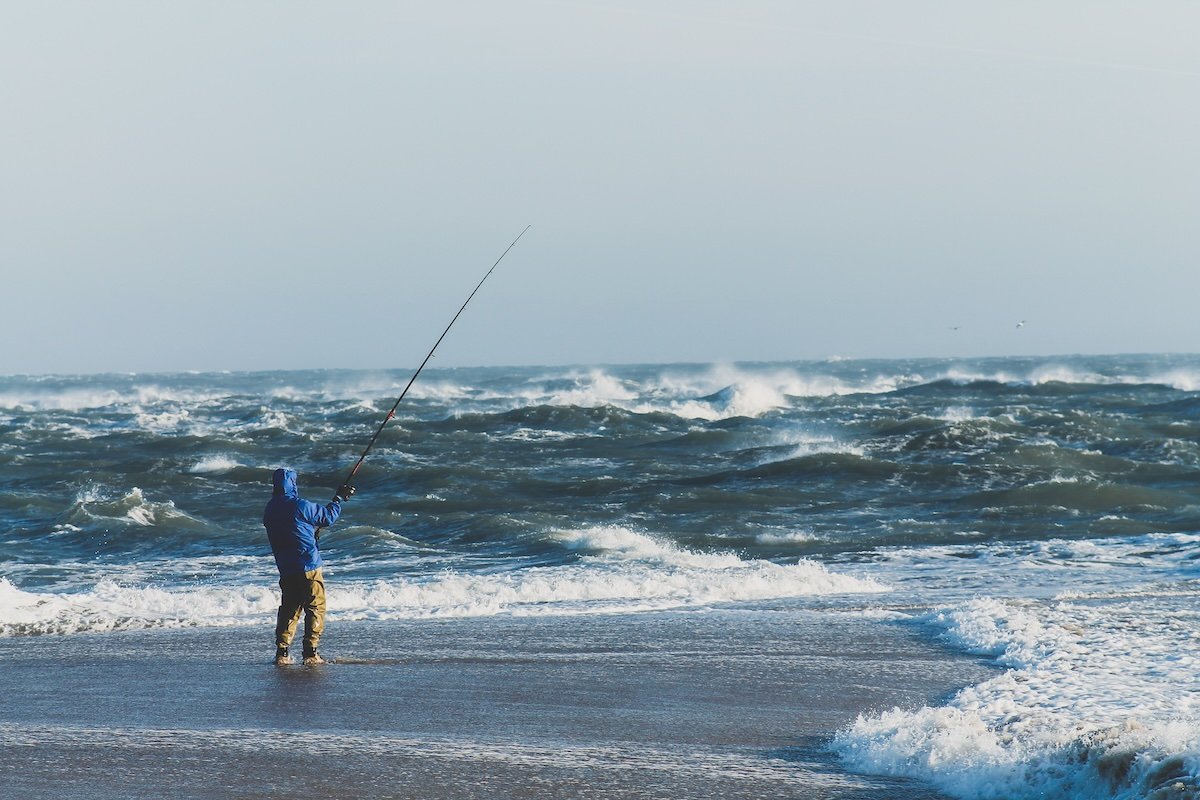
Most weather apps can tell you what the wind’s doing. But if you want to fish smarter, dig into the actual data. NOAA marine forecasts and weather buoys give you real wind direction, sustained speeds, and gusts. You can even track how conditions have been changing over the last few hours—something a lot of default weather apps on your phone will not show.
A calm morning can flip into a gusty afternoon. A northeast wind might mean one thing in March and another in August, depending on seasonal bait patterns. And the more you pay attention, the more it all starts to make sense.
That is where keeping a fishing log can become extremely helpful. Jot down what the wind was doing (or let a good fishing app do all the work of logging catches and conditions automatically), how the water looked, and what the bite was like. After a while, you will start noticing patterns. You will know which docks to hit when the wind comes out of the southeast. You will remember which cove turns on when the wind has been blowing steady for a day and a half.
Tips for Fishing When it’s Windy Out
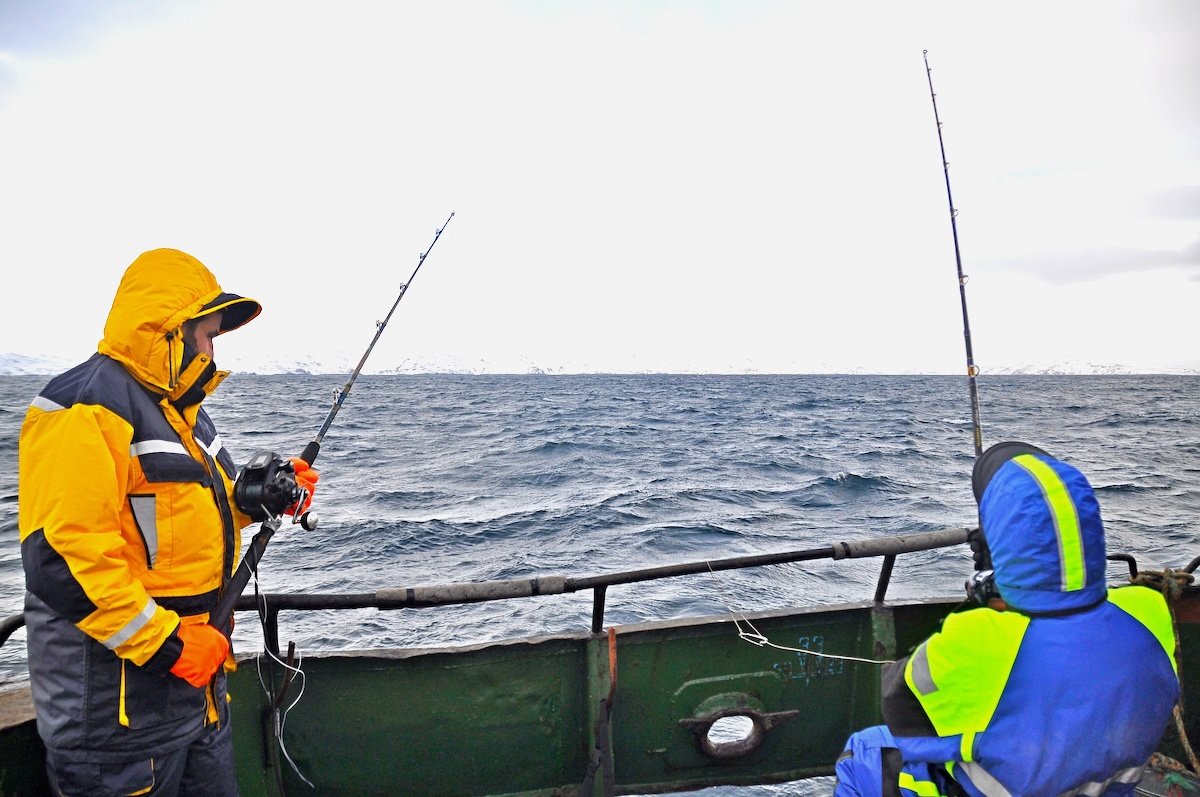
In general, wind can be your friend if you are fishing structure that faces into it—and you are willing to put in the effort to control your boat or casts.
- Fish the windblown bank: If you’re fishing from shore or a boat, this is almost always a good place to start.
- Go with the flow: If wind and current are working together, you are in luck. If they are fighting each other, expect slower or more scattered fishing.
- Use heavier lures: Wind messes with casting. Switching to a slightly heavier jig or spoon can help you keep control.
- Stay safe: Always check the forecast, especially on big water. Whitecaps and strong gusts are no joke.
- Watch the birds: Seagulls, terns, and pelicans do not lie. If they are diving into a wind-blown corner, bait is getting pushed in—and fish are likely right behind.
When the wind kicks up, some species get easier to catch—usually because the stirred-up water makes them feel safer, bait gets disoriented, or structure becomes more active. Here are a couple that tend to turn on in windy conditions:
Largemouth Bass (Freshwater)
- Why: Wind pushes baitfish into shorelines and shallow cover. Bass will often ambush them along windblown banks, especially near grass lines, points, or docks.
- Bonus: The broken surface helps hide your presence, so you can get closer without spooking them.
Speckled Trout (Saltwater)
- Why: Moderate wind can fire up a trout bite, especially if it is pushing water through cuts, drains, or over grass flats. The added movement and turbidity give them more confidence to feed during daylight.
- Caveat: Too much wind can scatter the schools, so the key is “breezy,” not “blowing 30.”
Other honorable mentions
- Redfish (especially on mudflats or in marshes—they get aggressive when bait gets stirred up)
- Walleye (wind can drive baitfish onto rocky points or reefs, especially in lakes)
Final Thoughts
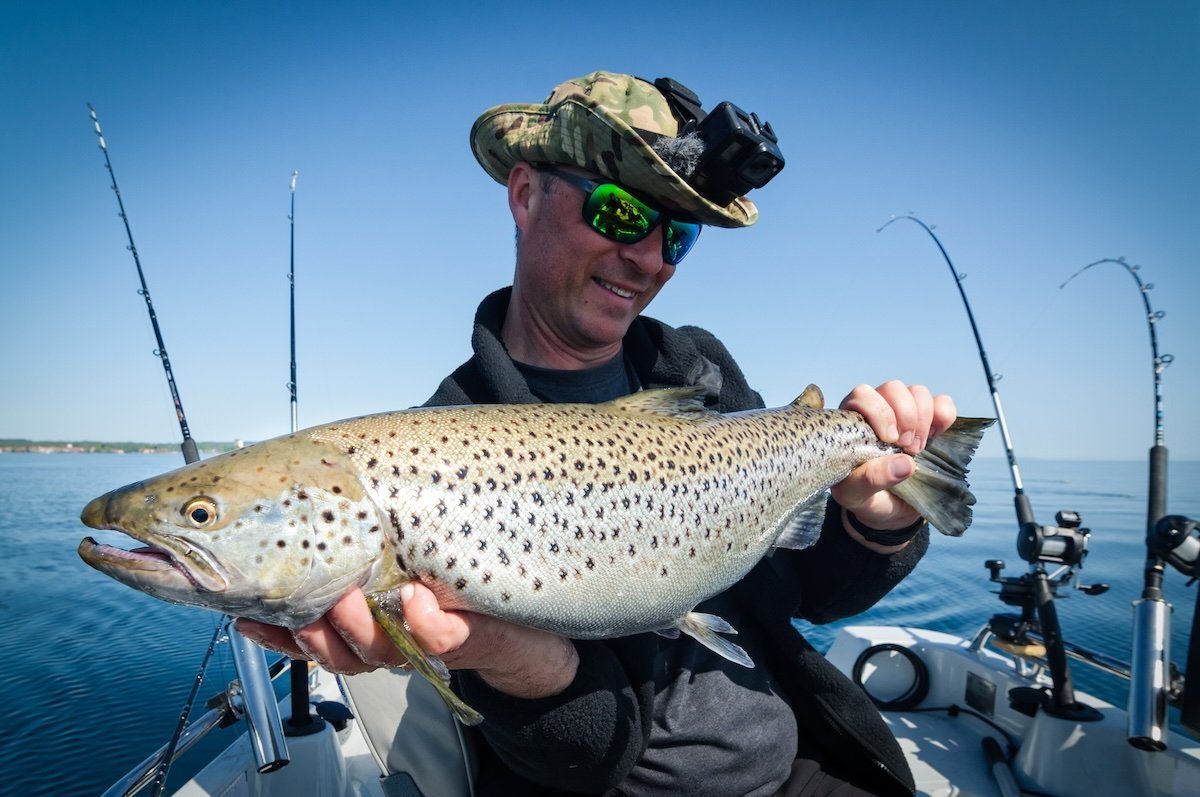
Fishing with the wind instead of fighting it is one of the simplest upgrades a fisherman can make to catch more fish. It costs nothing and makes a real difference. Once you understand what the wind is telling you, it becomes part of your rhythm—like tying knots, checking drags, and watching that rod tip for a twitch.
Next time you head out, take a moment to check the wind. Pull up the NOAA data. Look around. Make a few notes in your log or let a fishing app do it for you. And when the wind starts whispering where the fish are, you will already be casting.