How to Share Catches Without Giving Away Your Best Spots
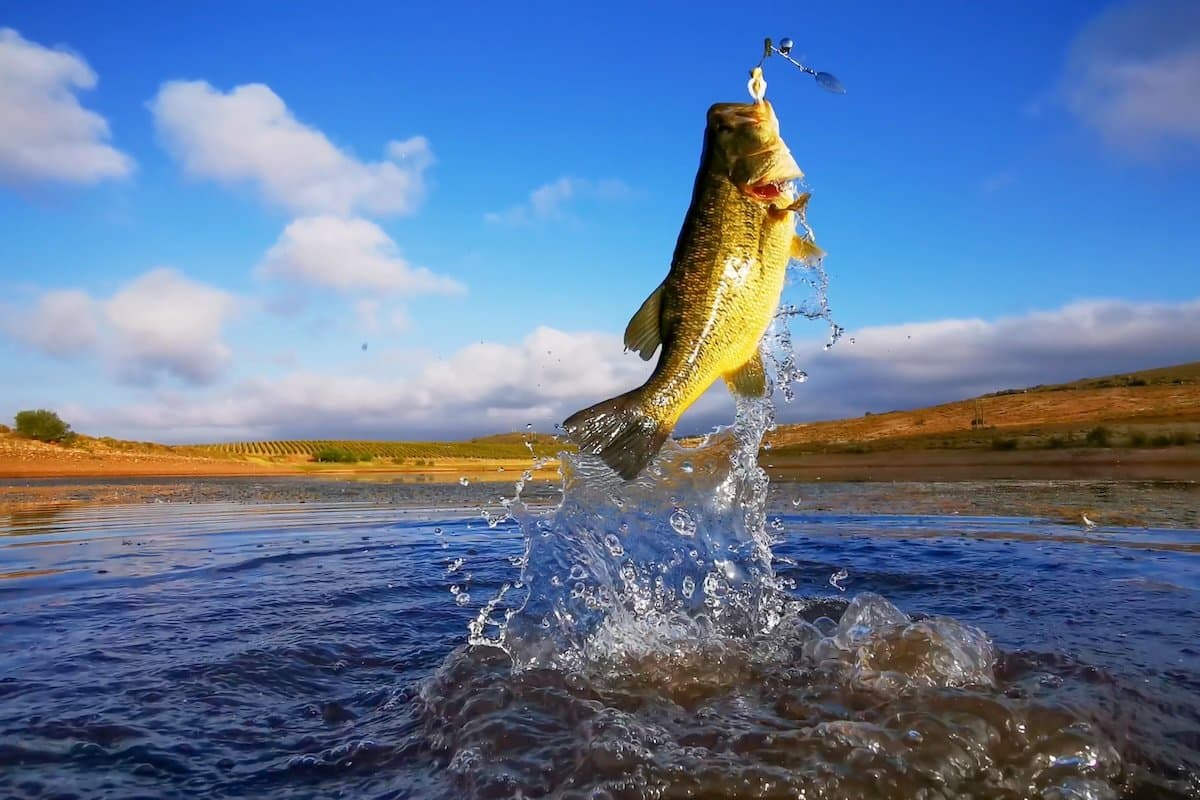
Every fisherman knows the double edge of a good catch photo. You want to share the memory—the fish, the fight, the smile—but you don’t want the internet dissecting the background and showing up on your honey hole tomorrow.
What a lot of fishermen don’t realize is just how much a picture gives away. It’s not just the “obvious” stuff like the water tower in the corner of the frame, or a dock roof peeking over your shoulder. Locals can triangulate from the tiniest shoreline bend or tree line. They’ve seen it before, and they’ll put 2 and 2 together.
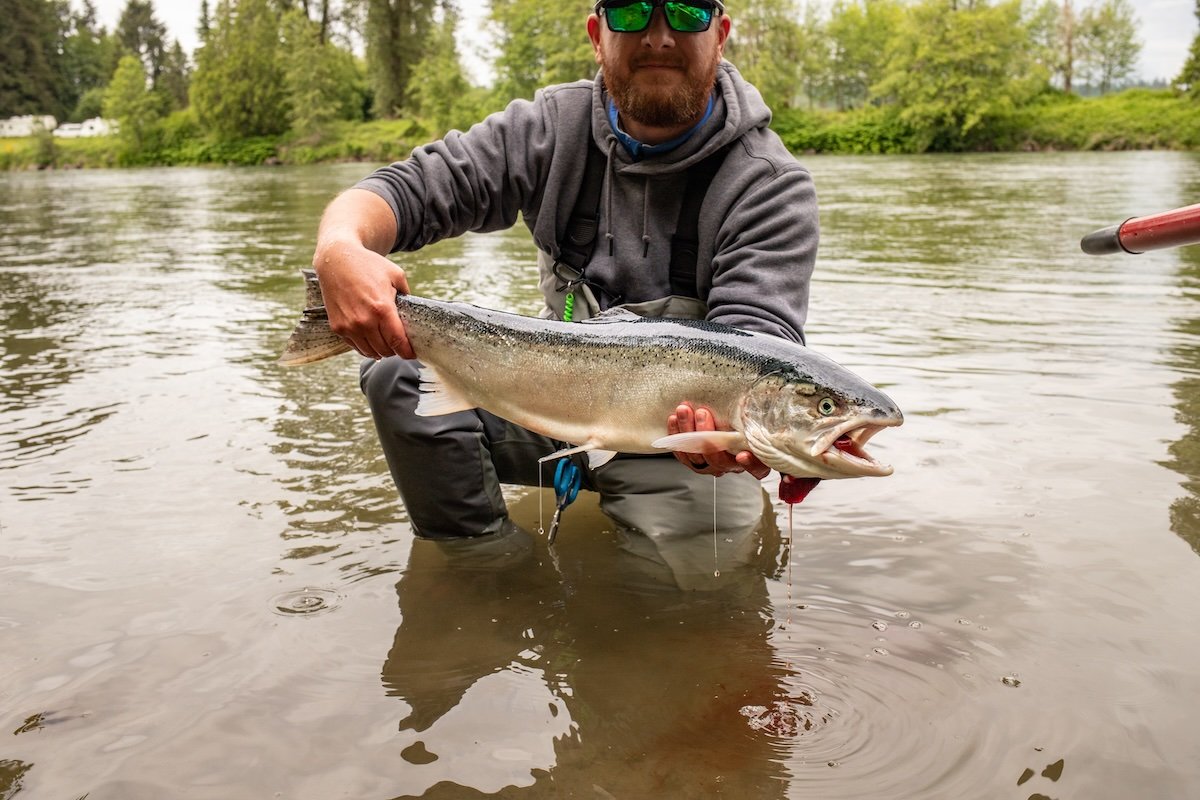
And if your phone’s location services were on, there’s a geotag baked right into the file—exact latitude and longitude hidden in the metadata. Anybody who knows where to look can pull that information out. Doesn’t take a hacker—just somebody who knows where to tap or click.
I’ve seen guys practically lose whole seasons because of this. They post a grip-and-grin pic, think nothing of it, and a week later there are 3 trucks parked at their pull-off. It doesn’t take many of those slip-ups for a spot to get burned.
You put in the miles, learned the water the hard way, and suddenly it’s not just your quiet bend anymore. You go back thinking you’ve got it to yourself, and instead there’s somebody camped right on your drift line.
So if you want to keep sharing without turning every photo into a roadmap to your favorite spot, you’ve got to think about it in layers:
- First layer: the file itself. Check your settings before you ever take the picture. On most phones you can turn off “Location Services” for the camera app. That way the shot won’t carry a geotag in the first place. If you do want the coordinates for your own records, keep location on but strip it before posting. Both iOS and Android let you do this when you hit “share”—just deselect the location toggle. There are also free apps that wipe EXIF data clean in one tap.
- Second layer: what’s in the frame. Backgrounds tell stories you don’t intend. The bend of a shoreline, the angle of a bridge piling, even the horizon line of a distant bluff can be enough for somebody who’s fished there to say, “I know exactly where that is.” So, the safest move is to crop tight or change your angle. Hold the fish low, use the boat deck, or shoot against open water. Some guys even keep a neutral backdrop—an old tarp or towel—just for this. Might sound paranoid, but it works.
- Third layer: what you say about it. This is the one a lot of people forget. Don’t caption with the name of the creek or the reef. Instead, share the pattern. Saying “falling tide, mullet stacked on a shadow line” gives other fishermen something to learn from without handing them directions to your front door. In fact, that’s the kind of info that actually makes you sound like you know what you’re talking about—not just that you got lucky on a Saturday.
How Log.Fish Makes This Easier
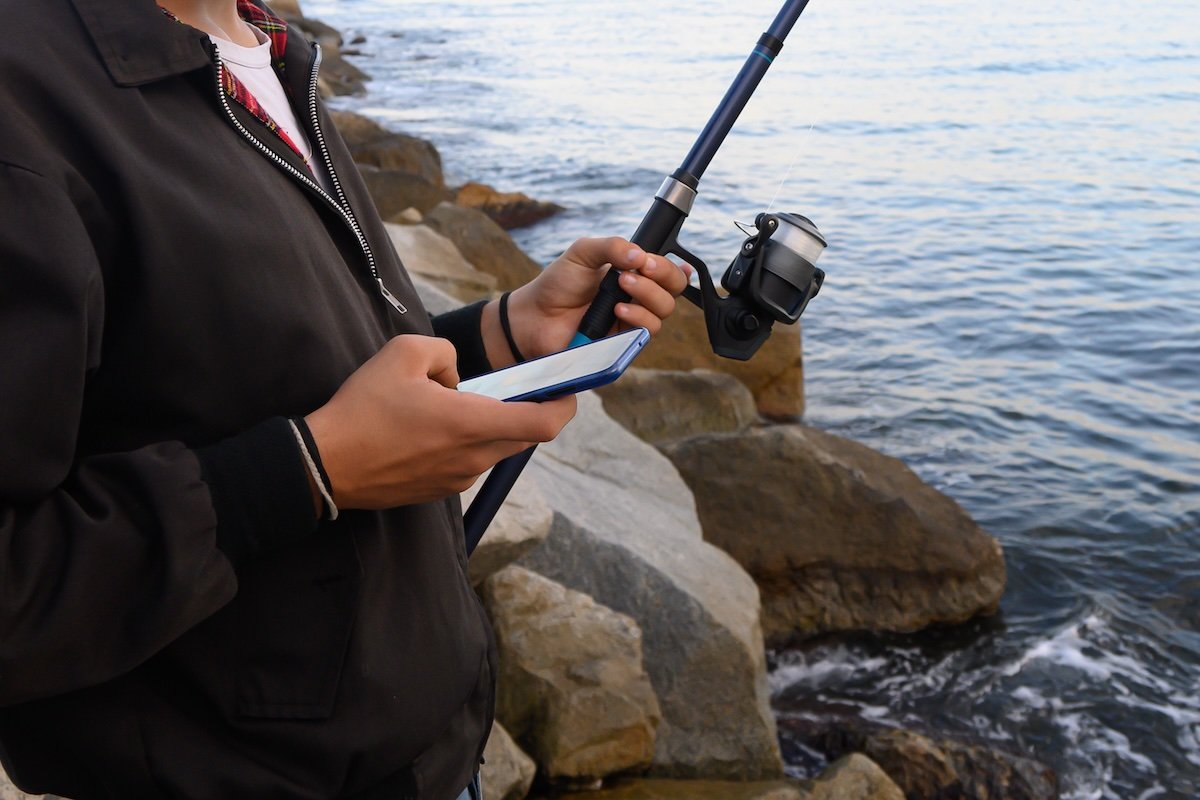
Now here’s where a good fishing logging app like Log.Fish changes the game. Inside the app, every detail you’d want for your own use—the exact coordinates, the tide stage, wind, barometer, moon phase—all of it gets captured and stored privately by default. You can build your personal atlas without a single soul seeing it.
This is exactly why Log.Fish was built with privacy by default:
- When you log a catch, the app saves location, time, and conditions for your private atlas. Nobody else sees it unless you decide they should.
- When you share a photo from inside Log.Fish, the coordinates stay locked. All that leaves is the image—your log data stays in your pocket.
- Want to go further? You can share the pattern with a club (“falling tide shadow bite”) or trade verified data on your terms. You stay in control of what’s public, partner-only, or private forever.
When you decide to share, the app pushes out just the photo, or just the pattern, never the pin unless you specifically choose. The result being, your atlas grows sharper with every photo you take. But at the same time, your feed gets to stay active and fun without “opening the floodgates,” so to speak.
Tip: You can even “tier” the data: full detail for your log, a summary for a fishing buddy, and just the hero shot for everyone else. That way you get the best of both worlds. Your private catch log and spot map gets sharper every trip, but your public feed stays fun and brag-worthy without costing you tomorrow’s bite.
Catch Photo Cropping Examples
Example 1
Take a look at these two catch photos.
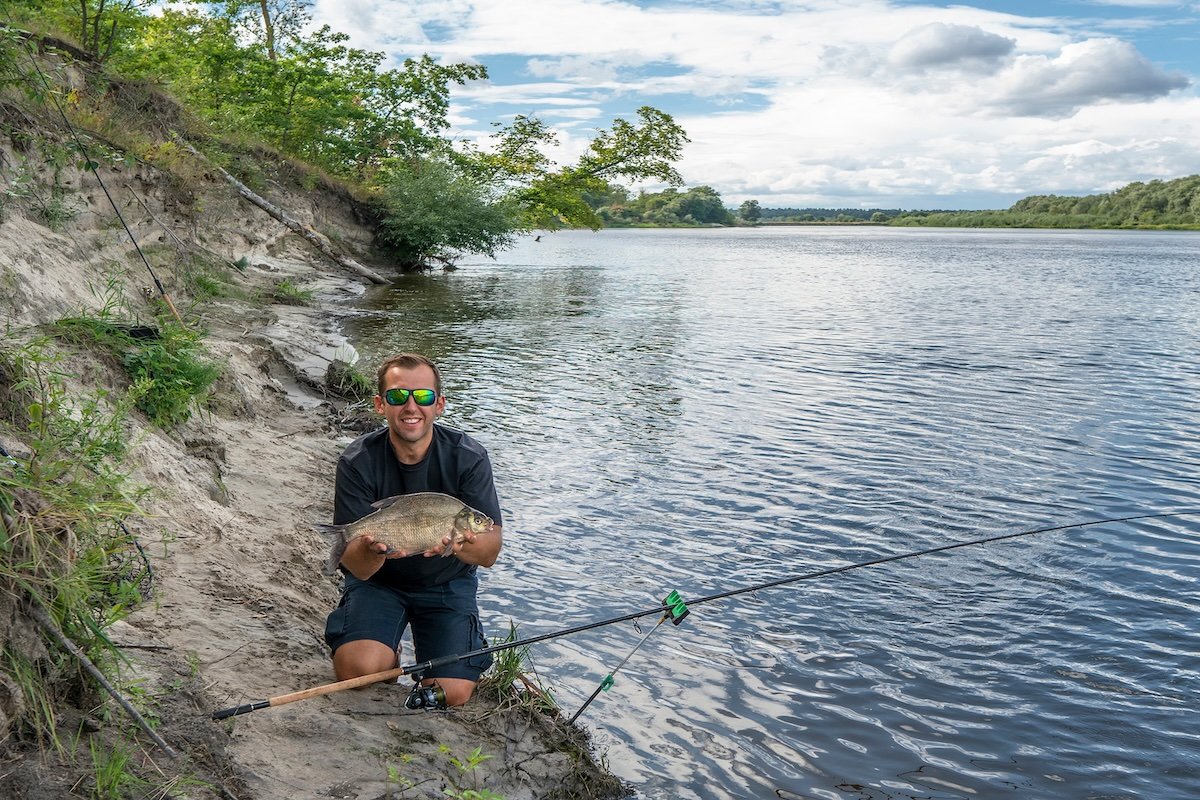
This first one’s a textbook case of what gives spots away without meaning to. The fisherman’s proud. Fish in hand, big smile. But the frame pulls in a lot of background. You’ve got shoreline cutbanks, tree lines, even a couple of distinct features like that fallen log.
Anyone who’s spent time on this stretch of river could pin this down in seconds. The photo seems harmless, but to somebody scrolling who recognizes the bend, it’s as good as a dropped pin. That’s how spots get crowded out.
Example 2
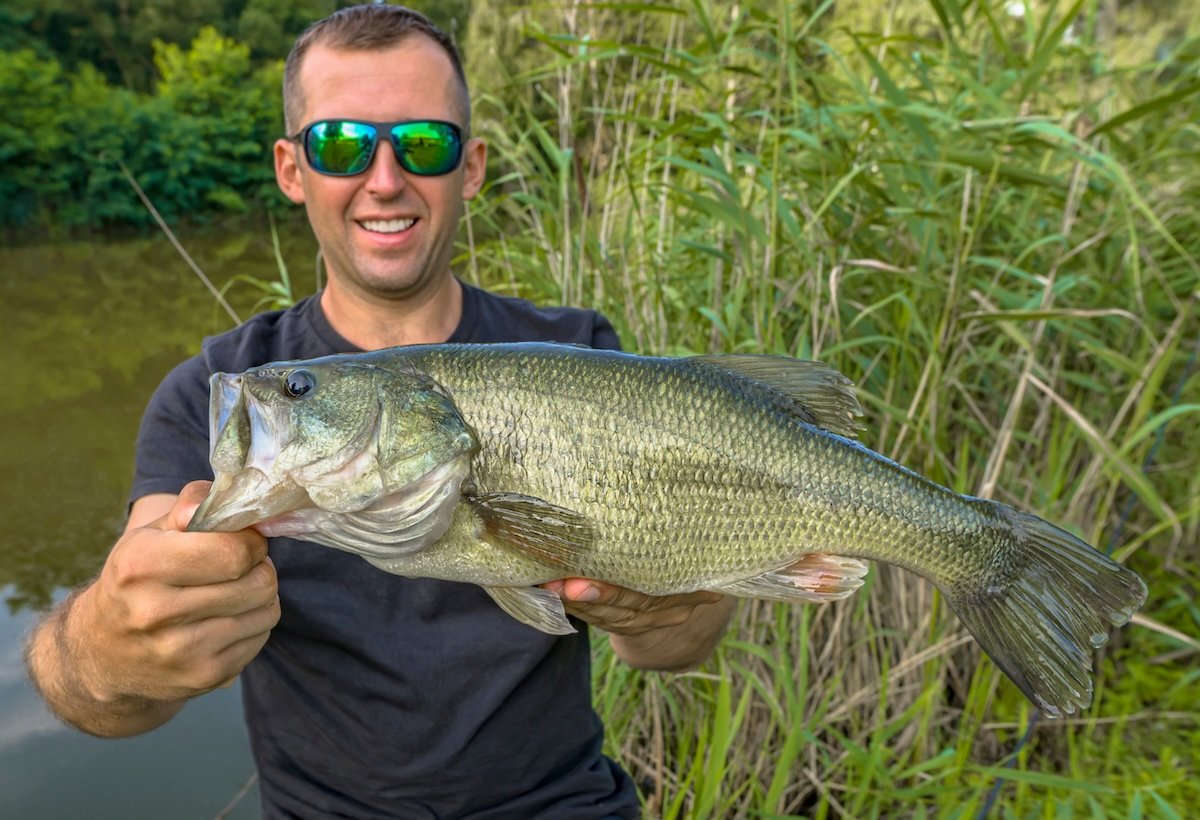
Now compare it to this second one. Fish is front and center, background’s just reeds and water. You still get the size, the detail, and the memory—but you’re not handing over a map to where it happened. This is what “cropping with intention” looks like. Doesn’t mean every shot has to be this tight, but when you know a backdrop could give you away, shifting the angle or moving in close saves you a lot of headache later.
That’s the difference between a picture that just shows the catch, and a picture that shows the whole spot. Once you’ve been burned, you start to see these backgrounds in a different light.
What’s Safe to Share (and Still Worthwhile)
The funny thing is, once you strip out the background and the geotag, a lot of folks freeze up—“well then what do I even say?” But there’s still plenty of meat you can put out there without handing someone the “keys” to your fishing journal.
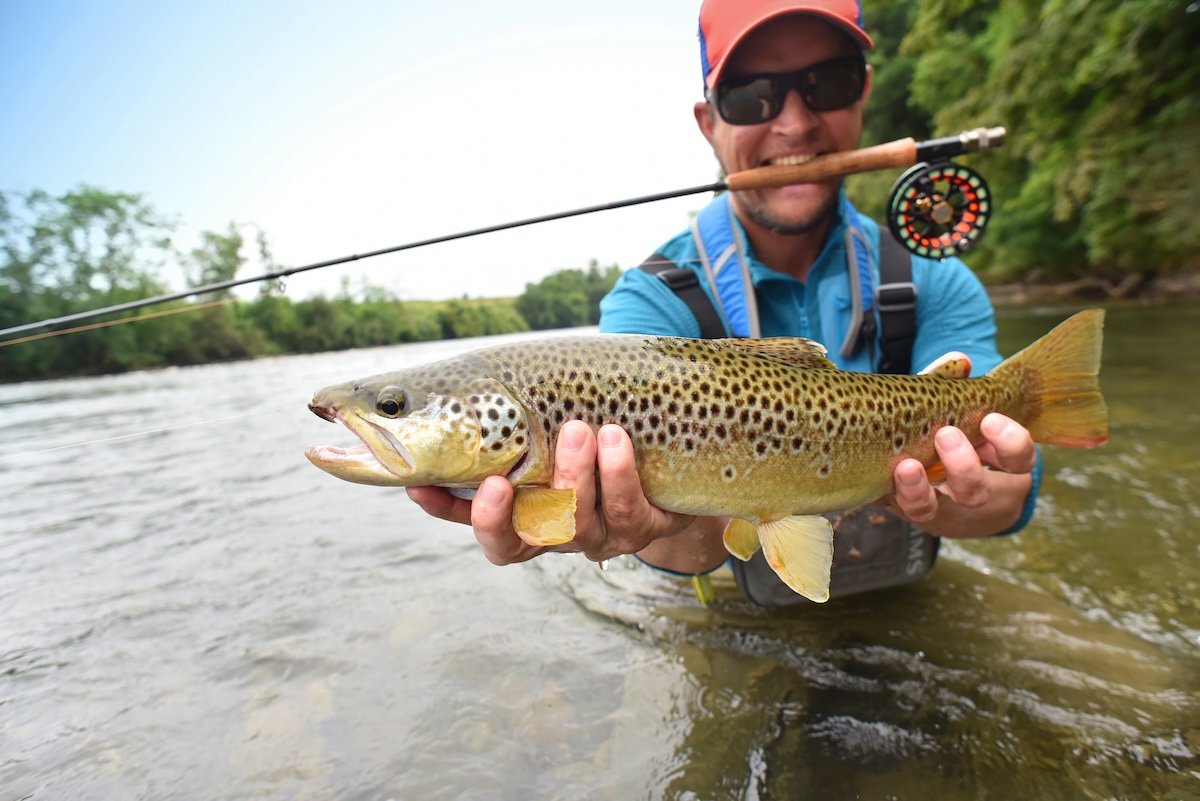
Think in terms of pattern, not pin. Saying, “they were stacked on the shadow edge when the tide started pushing” teaches way more than a set of coordinates ever will. That’s the kind of detail that helps another fisherman figure out their own water. And if you really want to be generous without feeling robbed, share the approach: the lure speed, the cast angle, the timing of the bite window. That’s the stuff people can actually learn from.
The spot itself stays yours, but the lesson still gets passed along. That’s how fishing talk works out. You hear a guy explain that a slow roll off a grass edge was the ticket, and maybe you try it on your own grass edge. The principle transfers, the pin doesn’t.
And if you’re using Log.Fish, the app makes that split automatic. Your private log keeps the coordinates and every scrap of environmental detail. When you hit “share,” you decide if it’s just the photo, or the pattern, or a full entry for a buddy inside your club. Everything’s tiered so you’re not stuck making the same choice every time. You can brag without broadcasting, trade info without emptying your pockets, and still build that private fishing atlas that’s for your eyes only.
Share Smart, Fish Smarter
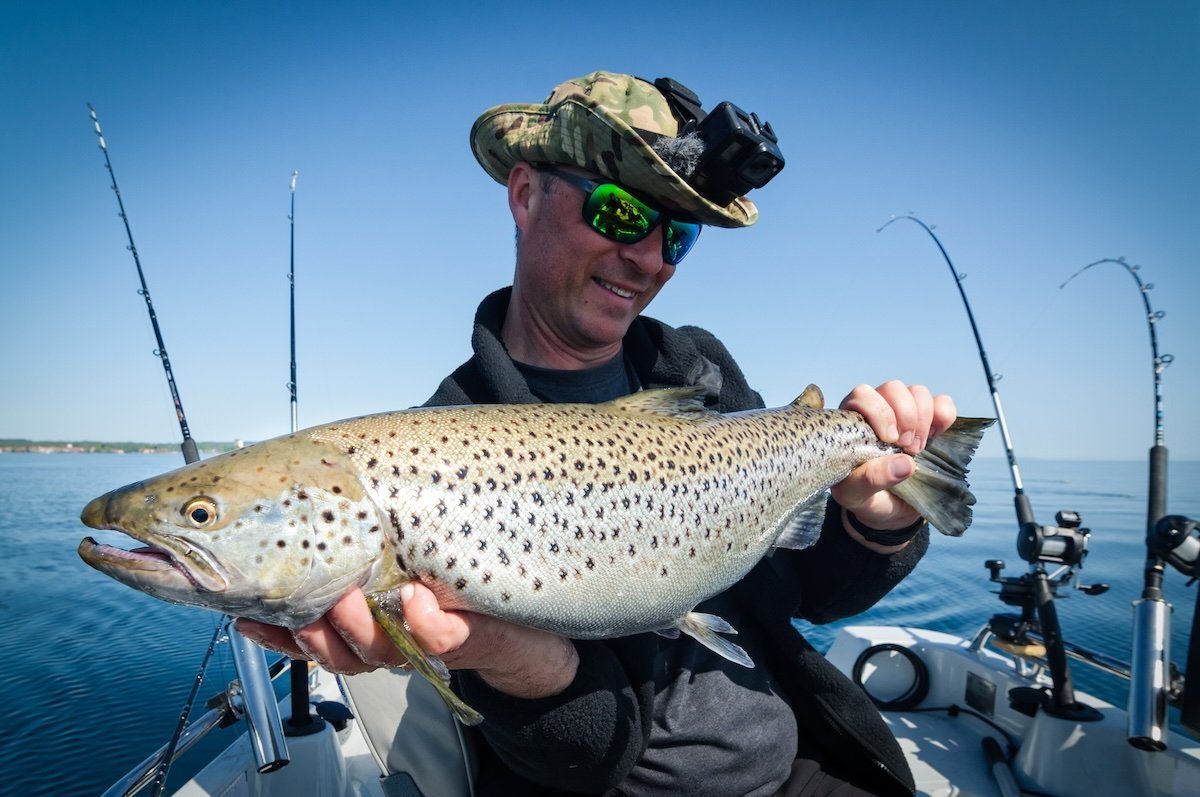
At the end of the day, photos are meant to be fun. They’re proof of a good fight, a memory you can hold onto, and maybe a little bragging rights mixed in. But if you don’t control what those photos give away, you end up inviting company you never asked for. That’s how a honey hole turns into a parking lot.
The fix, fortunately, isn’t too difficult. Strip the geotag, crop out the landmarks, talk about the pattern instead of the pin. That way your photo still tells a story—just not the one that hands over your hard-earned fishing spots.
And if you want the whole process to run smooth, that’s exactly what Log.Fish is built around. It locks down your private data, automatically captures all the environmental data behind each catch, and then lets you share just the parts you’re comfortable with. One photo for your log, another for your club, maybe a caption for social—each one set at its own privacy level.
That’s the balance: you can be generous without being careless, social without being wide open. Share the fun, keep the fishery healthy, and build your own atlas that keeps producing season after season. You stay in control, and your spots stay yours.