Hook, Line & Data: Best Journal Apps to Track Catches
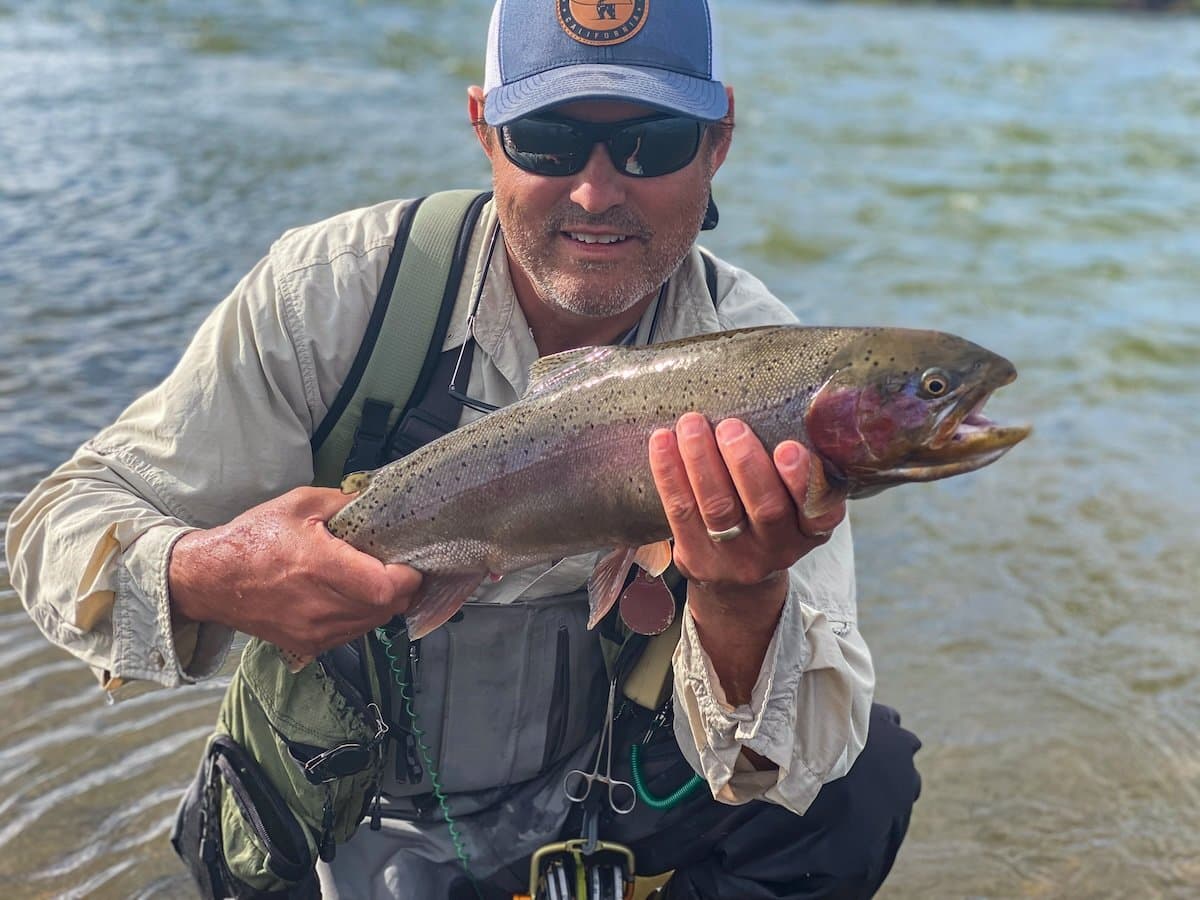
There was a time when logging your catches meant scribbling notes into a water-stained spiral notebook and trying to remember what lure you used 3 Saturdays ago. Those days are long gone. We now live in an age where your pocket computer has more processing power than the entire floor of ENIAC—and we mostly use it to argue on forums and check the tide.
But if you’re like me, always looking for an excuse to go fishing and mess around with your phone, guilt-free, welcome to the golden age of digital fish tracking.
How do you keep a fishing log? Well, over the years, I’ve kept everything from battered notebooks to color-coded spreadsheets trying to track what worked and what didn’t. I’ve logged by hand in the rain, on the hood of a truck, and from the back of a kayak.
These days, I rely on digital tools because they let me see patterns I used to miss, and they’re just generally a lot easier to use and maintain.
Today’s logbook apps let you do way more than jot down a few numbers. Some are simple, others are full-blown data recorders, others combine record-keeping with mapping tools, and so on, and so forth.
The hard part: Choosing one that doesn’t make you want to throw your phone into the water.
Logging the Modern Way
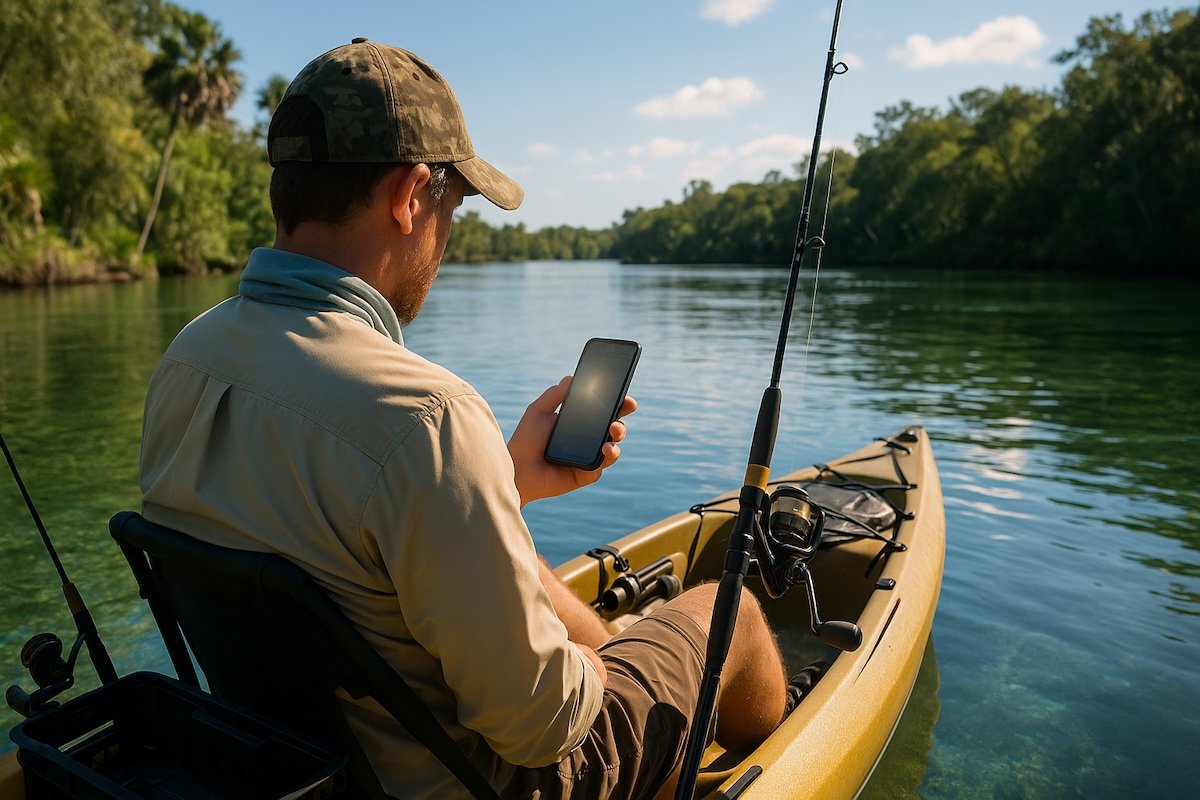
Some of the best fishing apps today let you plug in your starting location, fishing method, and what you’re throwing before you even make your first cast. Some apps go even further, letting you mark waypoints for honey holes, osprey nests, or that one log where you lost a good one two years ago and still think about it in the shower. As you fish, they’ll record things like wind shifts, barometric changes, and tidal patterns. Catch a fish, tap a button. The time, place, and even the weather get saved instantly—no soggy notebook required.
Why Keep a Fishing Log?
- 🐟 Track conditions that led to success – Know what the weather, water temp, moon phase, or tide was doing when the bite was on.
- 🎣 Refine tactics over time – See which lures, baits, or techniques actually produce—and which just feel like they should.
- 📍 Remember the best fishing spots – Log exact locations so you’re not guessing next time you want to revisit that honey hole.
- 🗓 Spot seasonal patterns – Figure out when fish start showing up in familiar places year after year.
- 📊 Turn memories into data – Use actual records instead of fuzzy recollection to make smarter decisions on the water.
- 🧠 Learn from slow days too – Not catching anything is still useful information if you track what didn’t work.
- 🔁 Build your own feedback loop – The more you log, the more you start noticing patterns—and the more confident your choices become.
A few logging tools lean more toward raw data. Other apps claim to get smarter over time, tracking your habits and giving you spontaneous suggestions like a vaguely helpful, extremely nosy fishing buddy you try to avoid at the docks. Others put a higher priority on community sharing, letting you send your data to your buddies or local fishery managers if you’re feeling generous—or just want to show off that monster smallmouth with scientific backing.
Fishbrain is one of the most well-known fishing apps. Many users appreciate its large community and the ability to view catch reports from across the country, but some fishermen have raised concerns about the accuracy of those reports—especially when it comes to catch locations, which can be (and according to user reports, often are) intentionally misrepresented to protect good fishing spots. Look around discussion boards, and you’ll run into complaints about the quality of all that data, occasional technical glitches, and a perception that some premium features, like bite time predictions, don’t offer consistent value.
Privacy is another sticking point for some guys who prefer to keep their locations and data completely private. For anglers who want a more personal, logbook-style experience without having to use social sharing functions or crowd-sourced data, fishing log apps that are easy to use and offer alternatives to Fishbrain, like Log.Fish, can be a better fit.
For those folks, Log.Fish is probably the best fishing journal app they’re going to come across. It has a free version, and it’s built for fishermen who want to track their days on the water without turning the boat into a data center. It uses a photo-based logging system—snap a pic of your catch, and the app automatically tags the time, location, and weather conditions. From there, you can add gear, notes, and other details if you want, or just keep it simple and scroll back later when you’re trying to remember what worked.
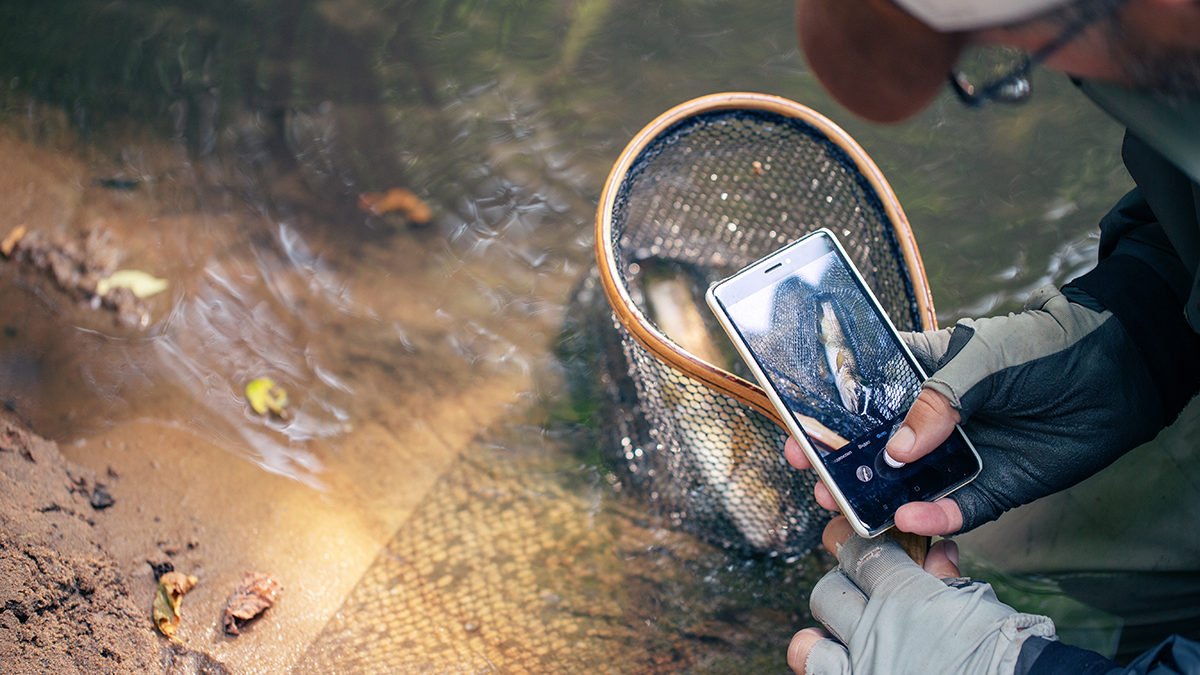
All entries stay private by default, so your best spots stay your business. You can choose to share with friends or keep a tight lid on things—so there’s no social network pressure, just a personal logbook you can use to keep track of catches, spots, dates/times, and conditions. Over time, you’ll start seeing patterns in your data: what lures hit where, how wind velocity and water temps affect your results, and when your success tends to peak.
What no app will do is “magically” make you a better fisherman. They won’t replace instinct, patience, or dumb luck. But they can help you figure out what worked last time, spot patterns in changing conditions, and maybe even predict when the bite will turn on. And all of those things can help you start to catch more fish no matter what level you’re at.
Final Cast
 Nobody’s saying you can’t fish without a digital fishing log. Some folks still swear by pen and paper, and that’s fine. But if you’re already carrying around a device in your pocket that could’ve easily run a Cold War missile silo, you might as well let it help you find a few fish.
Whether you’re chasing patterns, cataloging every lure you own, or just want a digital excuse to ignore texts while on the water—there are some great fishing apps out there that can do the job.