Tips From Experienced Fishermen on Fishing Log Apps
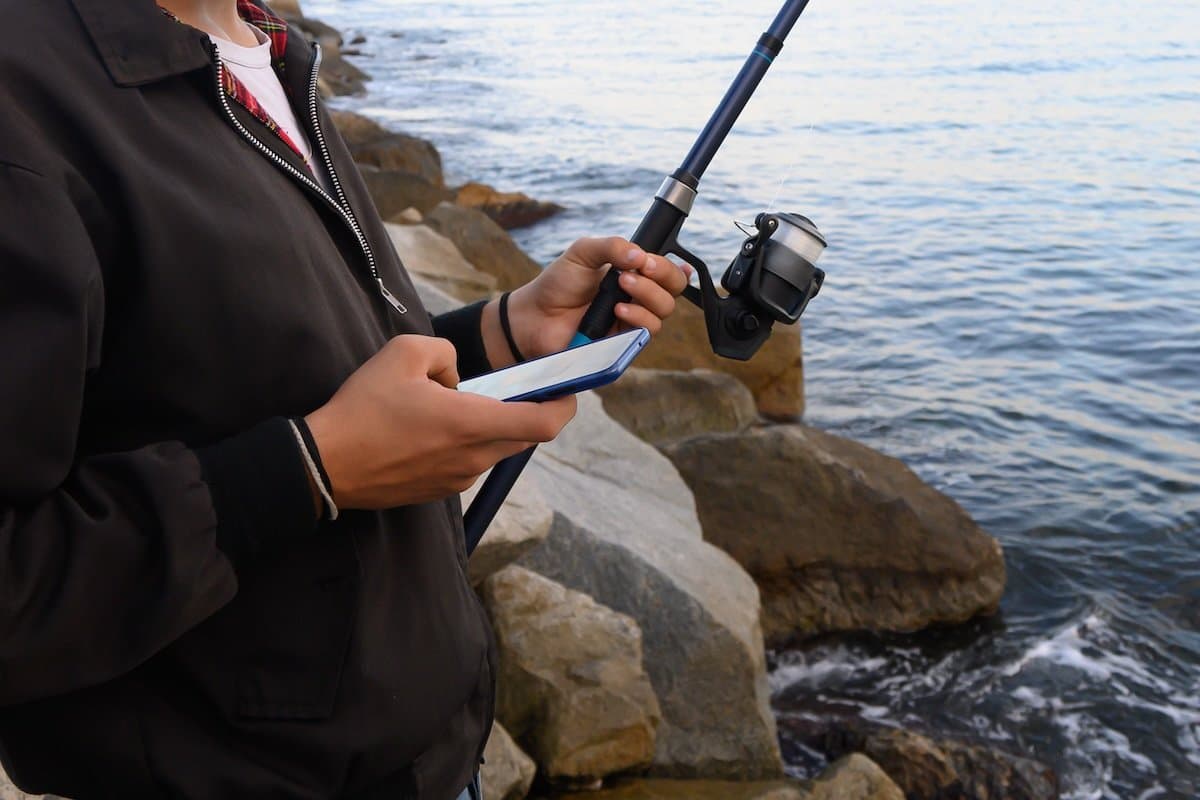
Ask twelve experienced fishermen whether logging your catches actually helps you catch more fish, and you’ll get thirteen different answers—ranging from “absolutely” to “waste of time.” But stick around for the second beer, and you’ll start to hear the same things crop up: Guys who keep it simple, focus on conditions, and use the right logging tools tend to stick with it longer—and they tend to learn their local waters really well.
Logging might not sound like much, but it has a way of adding up. A few details here and there—what the wind was doing, where the fish held, water temperature, time, tides, and so on—can point you in the right direction when the bite gets weird and nothing’s working.
Here are some tips that have worked for real fishermen, pulled from years of conversations, online discussions, fishing experiments—and the occasional pencil-smudged field notebook caked in river mud. These aren’t rules. Just patterns and habits that tend to stick with the guys who’ve been at it a while:
1. Log Conditions, Not Just Bait/Lure
 It’s easy to fall into the trap of treating your log like a brag board. Lure used, size of the fish, picture for the group chat. It makes for good memories—and sure, it’s satisfying to scroll back through a digital highlight reel and relive your best days on the water.
That’s all fine—but if you actually want to learn from your logs, you’ll get a lot more value tracking things like:
- Water temperature – This affects feeding behavior across all kinds of fish. Some species go sluggish in cold water, while others chase hard when things warm up. And if you’re fly fishing, a lot of hatch activity is tied to temperature, especially for mayflies and caddis. Trout metabolism, too, spikes or dips outside ideal temp windows.
- Flow rate (CFS)/Water level – Whether it’s current in a river or lake level changes, water movement impacts where fish hold and how they feed. Higher water might push fish to structure. Low water can make them skittish or more concentrated in certain zones.
- Air temperature – Especially relevant for surface activity and certain terrestrial hatches. It also helps you match past outings to current conditions.
- Time of day – A lot of waters fish better early or late, especially during hot summer months or high-pressure periods.
- Weather (cloud cover, wind, barometric shifts) – A light drizzle might bring fish up. A sudden cold front might shut them down. Windy afternoons might call for heavier tippet and bigger flies. These weather details add up.
These are the variables that repeat year after year. It’s not recreating a specific catch—it’s noticing, “Hey, this stretch always fishes well in early May when the water’s in the 50s and just dropped after a rain.” Or maybe you notice a certain back bay tends to heat up right after a stretch of cool nights. Or that you always get bit along a certain bank when the wind’s out of the southwest.
The more clean, consistent data you log, the clearer those patterns become.
Even better, when you’re heading out and the forecast shows similar conditions to a past trip, you can skim your logs and walk in with a solid game plan. Instead of spending the first hour switching lures and second-guessing locations, you’re starting where you left off last time—on solid footing.
And while it might sound like a lot to track, the best fishing apps can automatically pull in water temp, flow, weather, and time when you snap a picture of your catch. No scribbling in a notebook, no NOAA rabbit holes, no trying to remember what the wind was doing 3 weekends ago. Just fish, shoot, and let an app do the fish logging.
2. Fish the Day, Not the Memory
One of the most grounded pieces of advice you’ll hear from experienced fishermen is this: don’t let your last good day ruin today.
It sounds simple, but it’s one of the easiest traps to fall into—especially once you’ve been logging your trips for a while. You look back at your notes, find a similar date or water level, and convince yourself you’ve cracked the code. Same stretch, same month, same lure or setup. Tie it on, go through the motions… and end up wondering why nothing’s biting.
The answer? You’re fishing the memory instead of the moment.
Water changes constantly. Lakes shift. Rivers swell or drop. Wind, pressure, bait movement, moon phase—it all stacks up, often in subtle ways. A few degrees colder in the water, a fresh front moving in, or a change in current speed can throw everything off, even if it looks like the same day on paper.
One fisherman on Reddit said it better than most: “I found myself fishing for last year, not fishing the day.”
It’s a hard truth, especially when your logs are full of solid patterns and past success. You want to trust what worked before. But experience only helps when you apply it to what’s actually happening—not the ghost of a great day that isn’t shaping up the same way.
That doesn’t mean your logs aren’t valuable—far from it. They’re guidance, not gospel. They give you a head start, help narrow down your options, and point you toward productive areas or patterns that have worked under similar conditions. But the moment your line hits the water, you’ve got to pay attention to what the fish are actually doing.
- Are baitfish schooling shallow or holding deep?
- Is there sun or cloud cover?
- Is the wind shifting the surface activity?
- Are fish suspended mid-column, hugging bottom, or chasing in bursts?
Let your logs guide your setup and your first few casts—but don’t get married to the plan. This is where flexibility beats memory.
Some of the best fishermen out there aren’t afraid to switch things up early, even on good days. They’ll swap lures, change presentation, shift to different water entirely if the bite’s not happening. That kind of mindset—staying locked into observation, not routine—is what separates casual luck from consistent results.
So by all means, log your catches. Build your patterns. Learn your waters.
Just remember: fish don’t read your notes. They read the water. You should too.
Logs are a tool, not a script. Use them to get in the ballpark—then fish what’s actually happening.
3. Track Patterns by Spot—Not Just in General
One of the biggest advantages of digital logging—especially with a solid app—is that your data gets tied to specific locations. And that’s where things start to get really useful.
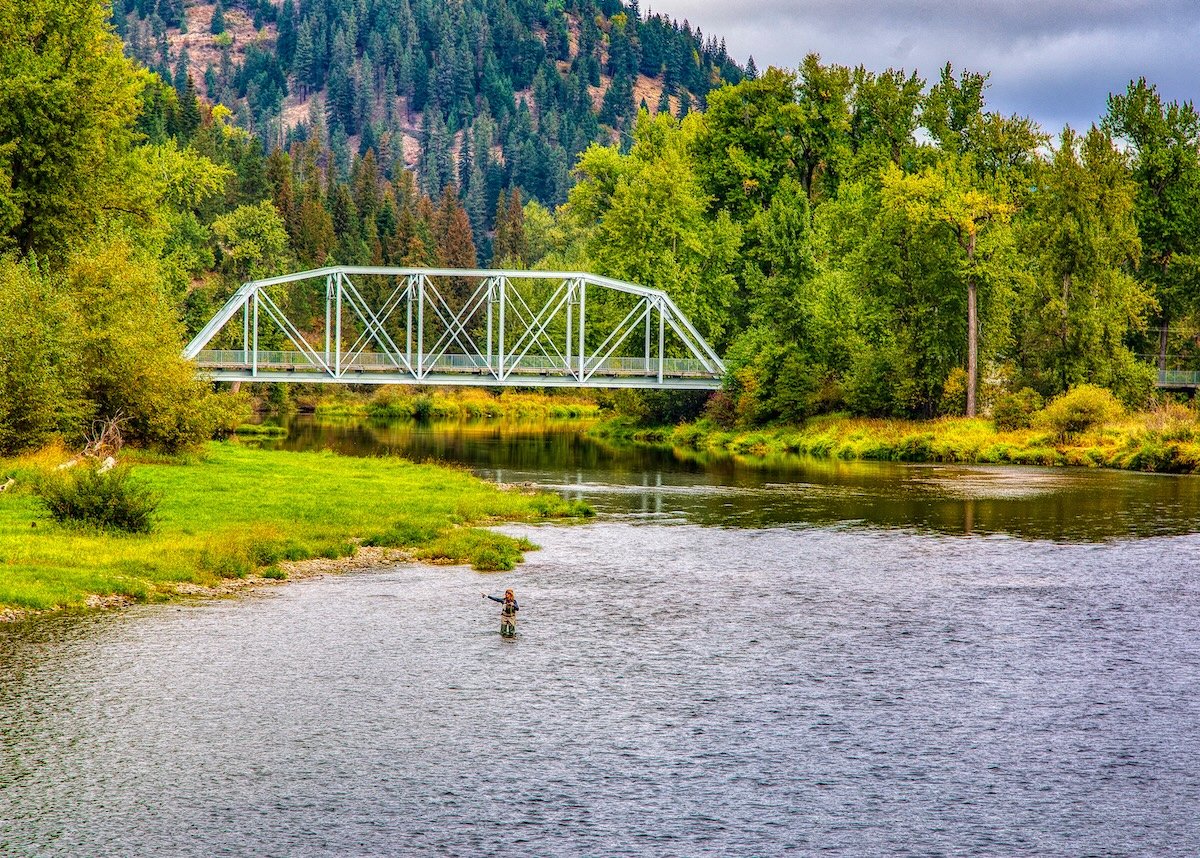
When you log catches by general area—“that lake by the highway” or “the dam spot”—you might catch a few patterns here and there. But when you tie each catch to a precise spot—a certain creek mouth, a specific dock line, a shelf near a bridge piling—you start to see real, actionable trends emerge.
Things like:
- Which coves warm up first in the spring
- Where bait consistently gets pushed on windy days
- Which points produce best on an incoming front
- Which side of a lake fires up on cloudy mornings
- Which canals or weedlines hold fish after a rain
It doesn’t take long before you realize: it’s not just where you fish—it’s how each spot behaves under different conditions. Some places hold fish year-round. Others are one-hit wonders, only good when water levels hit a certain mark or wind blows just right.
Some fishermen drop GPS pins. Others just snap a photo and let the app pull location data automatically. Either way, tracking performance by place, not just trip, is ideal—especially if you rotate between different lakes, rivers, ponds, or inshore zones over the season.
That said, most fishermen aren’t looking to stop and drop a GPS pin after every cast—and honestly, you shouldn’t have to. That’s why fishing journal apps that automatically log your catches with location and other data when you snap a photo are such a game-changer. They take care of the details in the background, so you can focus on fishing.
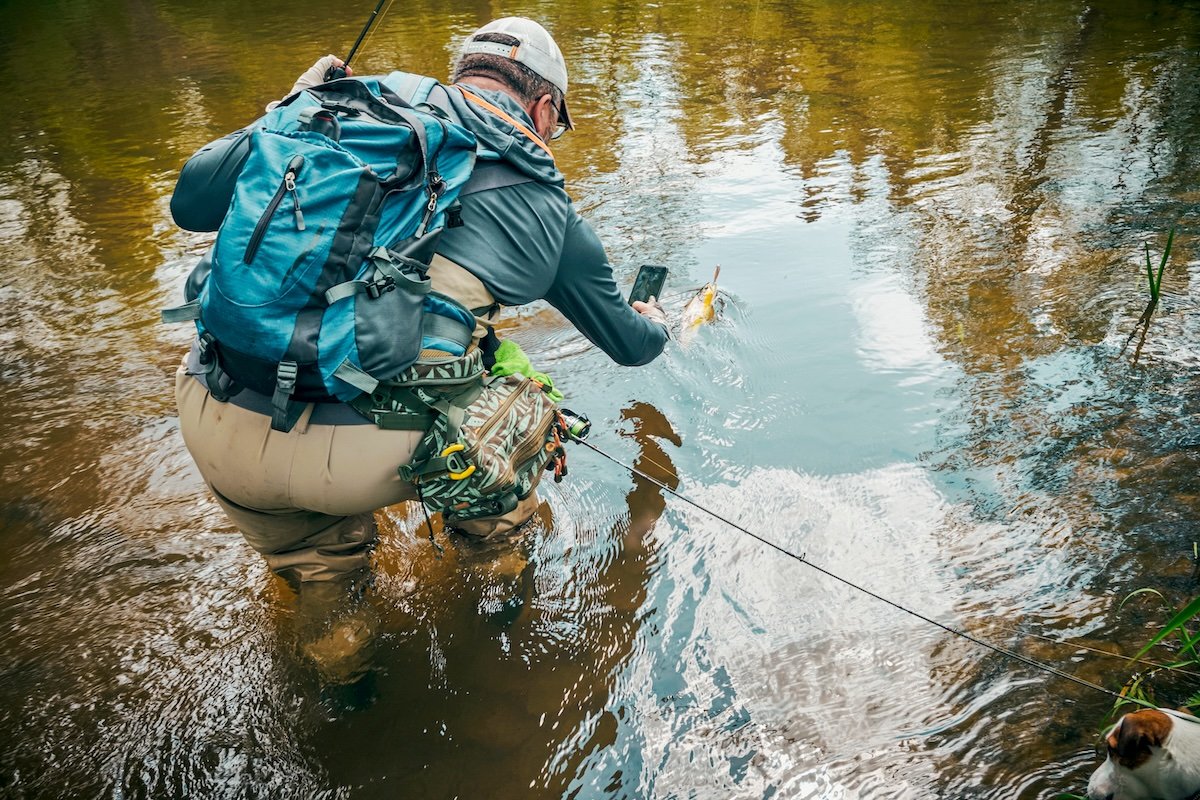
Whether you’re jumping between lakes, bouncing around saltwater flats, or working a handful of go-to spots on a big reservoir, logging your catches by place, not just trip, helps reveal patterns that would be easy to miss otherwise.
You’ll start recognizing which spots are worth running first, which ones are “maybe” zones, and which ones haven’t paid off in years no matter how good they look. It takes the guesswork out of deciding where to start your day.
Over time, your map becomes a fishing almanac—one that never forgets which corner of the lake gave up your best fish, or which tide stage turned that backwater into a feeding frenzy.
And the beauty of a good fish logging app is that it doesn’t just store this info—it organizes it by location automatically, so you can actually use it when it counts. No flipping through old notebooks. Just open, filter by spot or conditions, and go fish.
4. Your Tools Matter—A Good App Makes All the Difference
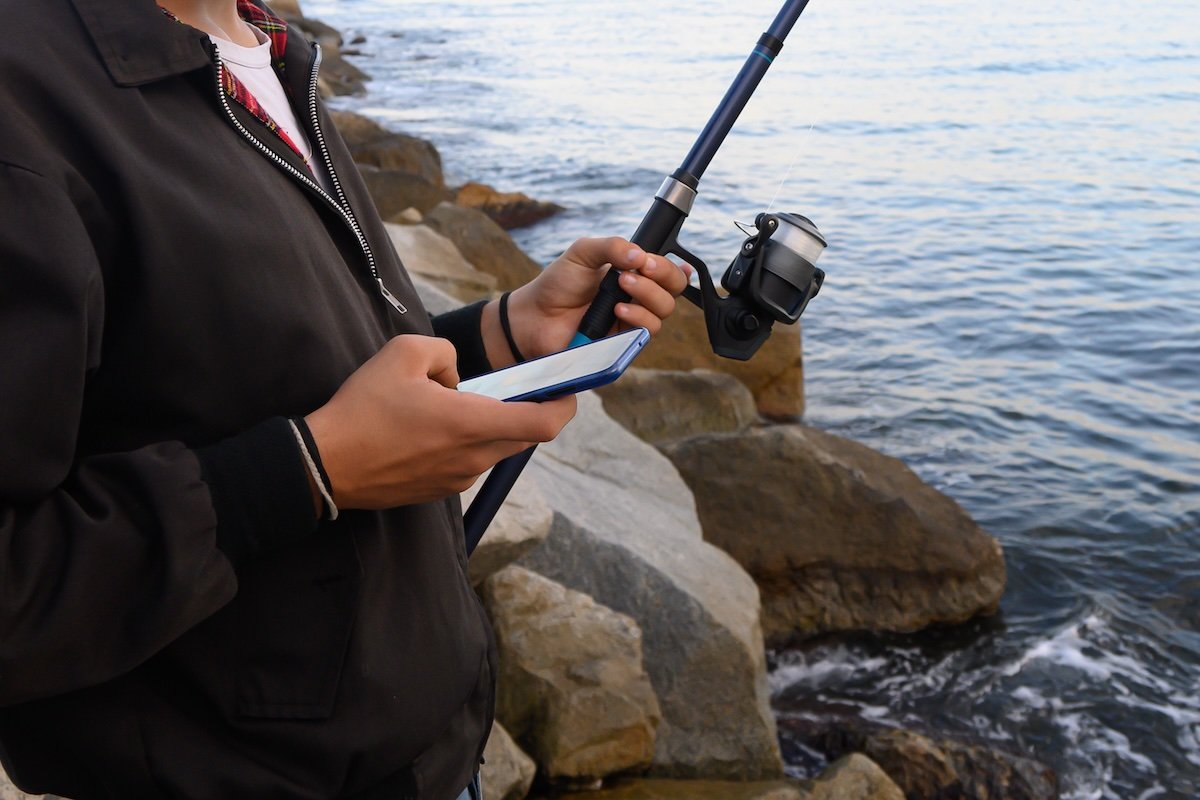 There’s a big difference between trying to maintain a handwritten diary and using a purpose-built fishing app. That old advice that “it doesn’t matter how you log, just that you do”? It’s not holding up as well anymore.
The truth is: it does matter.
If the system is clunky, you won’t use it.
If it’s too much work, it’ll feel like homework.
If it’s digital but generic, it won’t give you the insights you’re after.
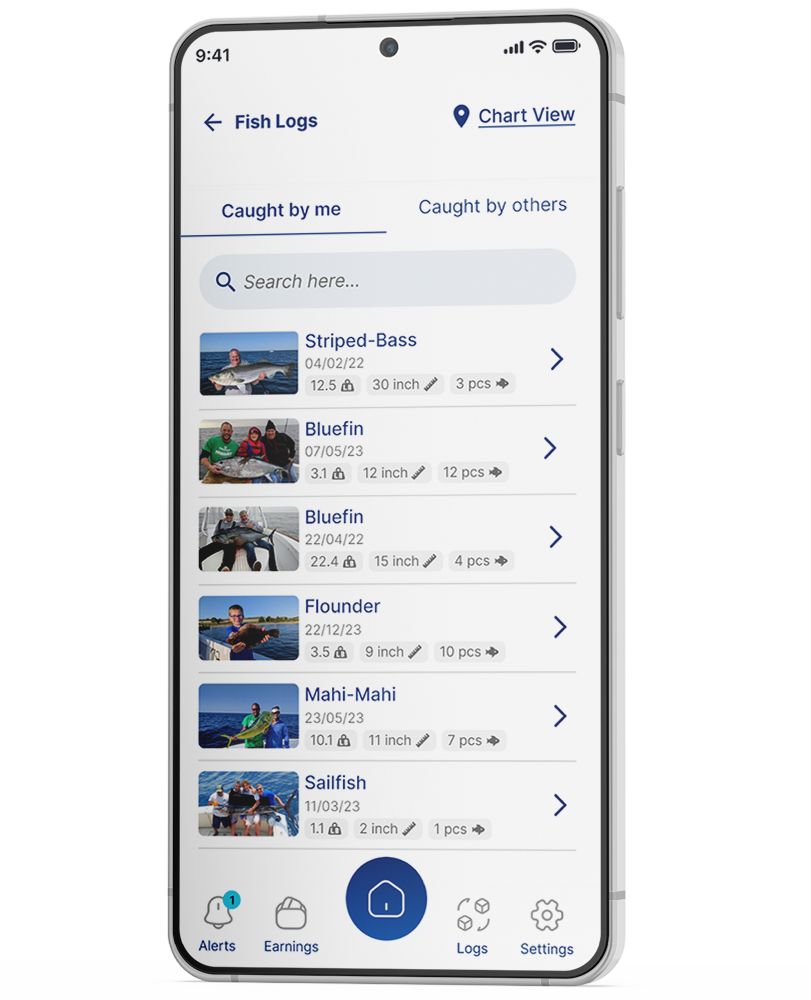
That’s why apps like Log.Fish are gaining traction. They strike a balance: simple enough not to be a hassle, smart enough to give you real, usable information. And because it pulls in real-world conditions automatically, you end up with logs that are far more useful than anything you’d jot down from memory.
5. Learn What Actually Works for You
Most people think they use a wide variety of lures, baits, or rigs—until they start keeping a log and realize they catch 90% of their fish on a small handful of them.
That’s where logging becomes more than just record-keeping. It’s a reality check. When you can scroll back through trip after trip and actually see what produced fish, you start to cut through the noise. You stop overpacking gear you never reach for. You stop giving second chances to tactics that rarely deliver.
Whether you mostly throw soft plastics, fish live bait, work crankbaits, or jig deeper structure, the data doesn’t lie. After a season or two of consistent logging, you’ll probably find yourself streamlining your loadout—and not because you’re limiting yourself. You’re doing it because you’ve figured out what consistently works for you, in your waters, under your conditions.
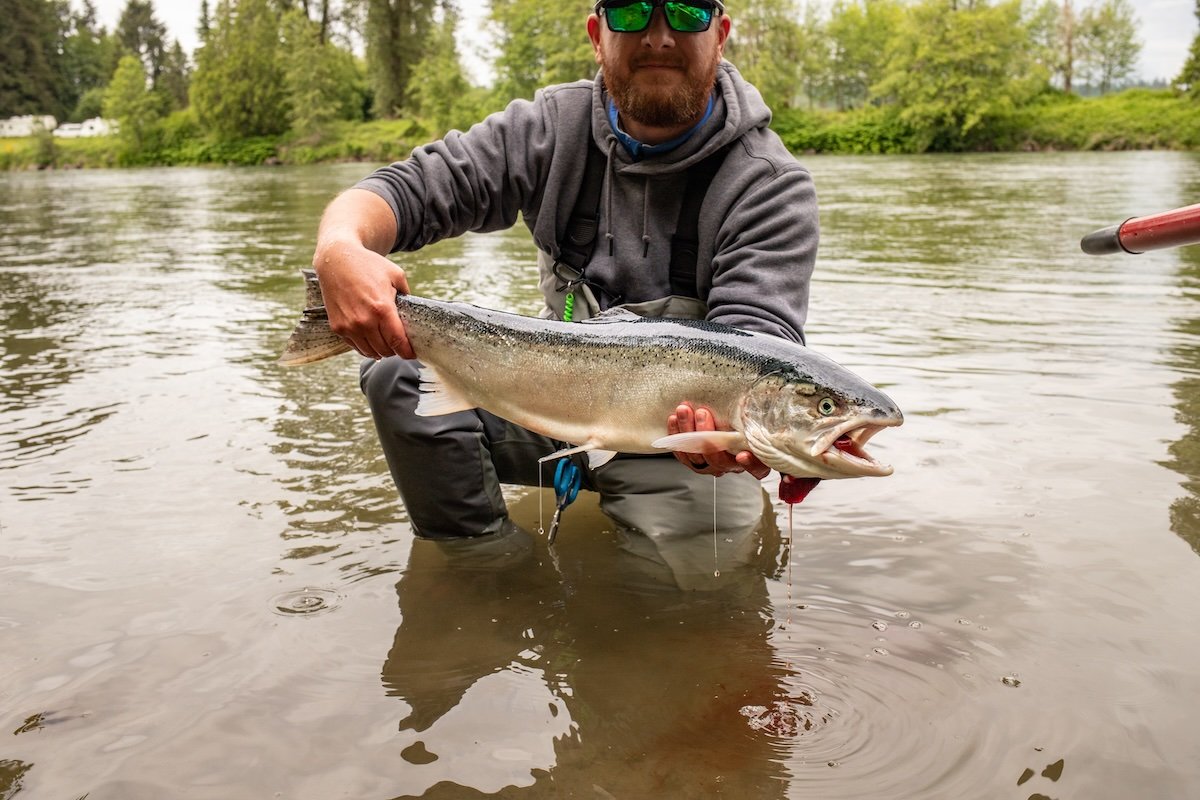
And that kind of confidence—the kind built from your own results—is hard to beat. You’re not guessing anymore. You’re dialing in.
The bonus: Fewer decisions, more fishing. And more room in the tackle box for what actually earns its spot.
6. Let the App Do the Work—Or You’ll Burn Out
For a lot of people, logging starts with good intentions: track conditions, see what works, notice patterns. But somewhere between trying to write down every detail and keeping things organized, it can quietly turn into homework.
After a season or two, the enthusiasm fades. You might find yourself skipping entries, telling yourself you’ll “do it later,” or even fishing with a half-eye on what you’ll need to log instead of actually paying attention to what’s happening on the water.
That’s when the whole process stops being useful—and starts getting in the way.
This is why fishing phone apps can be genuinely helpful. A good app doesn’t ask you to log every little detail manually. It takes the pressure off by doing the basics for you. With Log.Fish, for example, you don’t need to manually enter every detail or remember to record streamflow before you leave. You just snap a photo of your catch, and the app automatically logs location, date/time, weather, water conditions, and more.
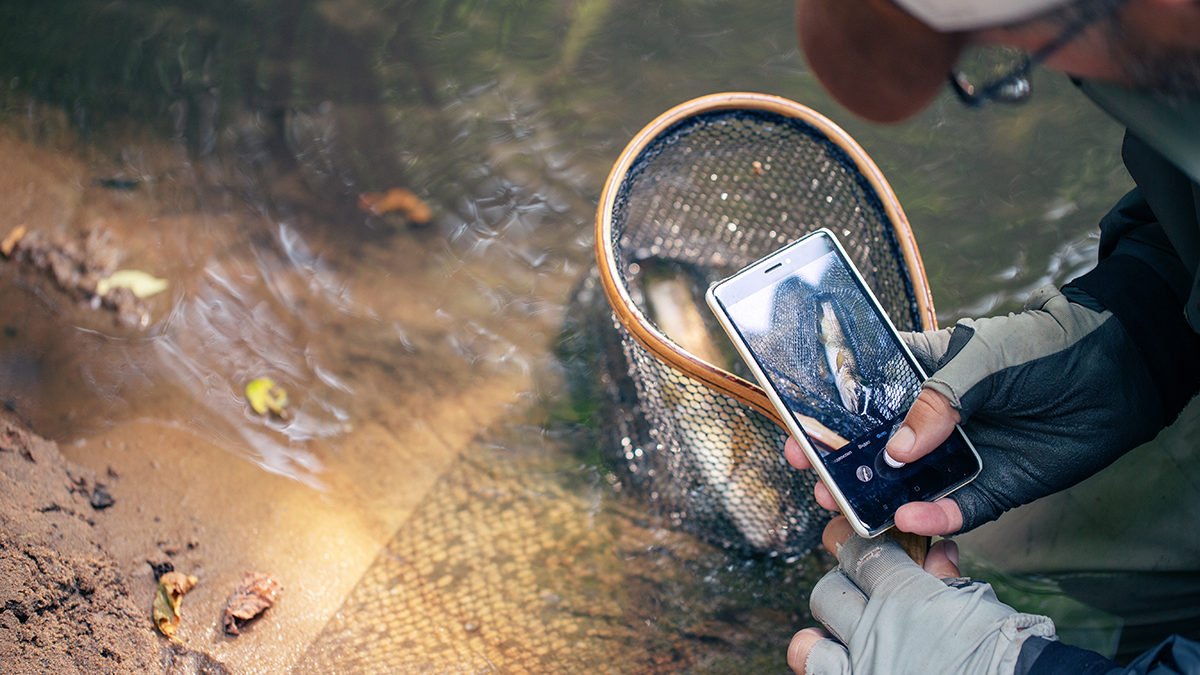
You still have the option to add your own notes or fine-tune the entry, but the essential stuff is already saved—accurately, and without interrupting your day. That’s a big difference compared to trying to recreate it all from memory after the trip.
The less friction there is, the more likely you are to stick with it—and over time, that consistency is what makes your log actually useful. It’s not about logging everything. It’s about making sure the useful stuff doesn’t fall through the cracks.
Let the tools do the heavy lifting. That way, logging stays something that supports your fishing—not something that pulls focus from it.
The idea is to make logging so frictionless that you’ll actually stick with it—and that’s when it becomes useful.
Final Thoughts
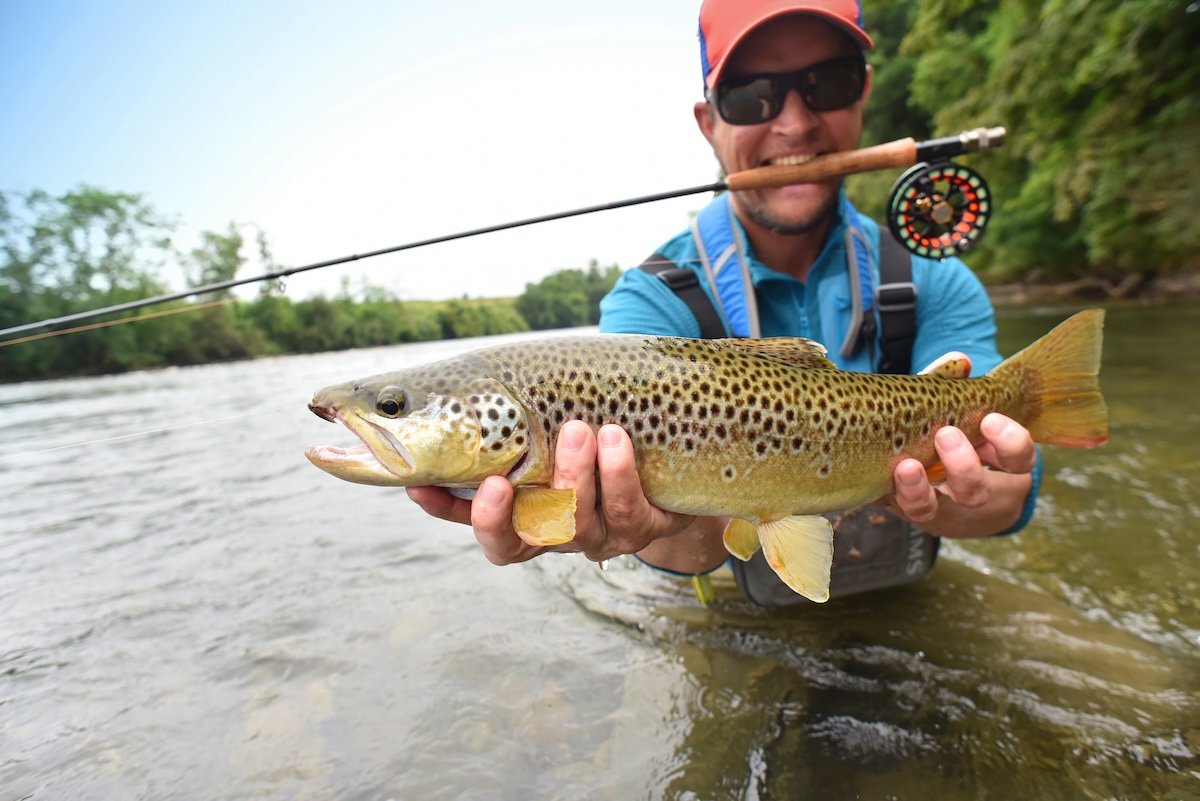 Logging doesn’t have to be about stats, or turning your day on the water into a spreadsheet. Done right, it’s just a quiet way to sharpen your instincts over time.
You fish more confidently when you remember, “Last time the water was like this, they were tight to the bank in the afternoon.” You spend less time guessing, and more time fishing well.
You don’t need a perfect system—just something that helps you remember what mattered. Let the app handle the grunt work, and use your catch log as a tool rather than a rulebook. If you’ve been thinking about trying to keep a fishing log but it felt like (or sounded like) a chore, a smarter app might be the gear you were missing.