Why Some Anglers Don’t Log (and Why They Should)
Old-School Knowledge vs. Modern Tools
You ever meet a guy who’s been fishing the same waters for thirty years, maybe even grew up on them, and ask him what time the tide’s going to flip? He doesn’t pull out his phone. Doesn’t even glance at a chart. He just kinda squints at the horizon, runs a hand across his neck, and says something like, “About 20 minutes.”
And sure enough, 20 minutes later, that tide’s moving like he called it in.
Now, you try telling that guy he should start logging his trips. He’ll look at you like you asked him to start wearing floaties.
That old-school resistance is real—and honestly, fair.
Plenty of experienced fishermen see logging as something meant for beginners—like training wheels for folks still learning the ropes.
The thought goes: if you’ve put in your years, learned your home waters, and built up that 6th sense for where the bite’s going to be, why start scribbling notes or messing with an app for fishermen now?
You’ve probably heard the objections, maybe even said a few yourself:
- “I already know the tides.”
- “I fish by instinct.”
- “No app understands these waters better than I do.”
- “Logging just takes too much time. I’ll remember it.”
And look, I get it. I really do. I’ve been out there when a front rolls in and no forecast predicted it. I’ve watched fish hold weird when everything on paper said they shouldn’t even be there. You can’t beat instinct.
But instincts get sharper when you give them something solid to stand on. When you log your catches fishing, it isn’t about replacing your gut—it’s about backing it up with receipts.
Logging Isn’t About “Teaching You to Fish.” It’s About Fishing More Effectively.
Catch logging is just another tool. Like your side-scan. Like your radar. Like those insulated fish bags you swore you didn’t need until you tried one and wondered how you ever lived without it.
The difference is, the info you log today becomes the gut check you’ll lean on five seasons from now.
What Logging Tells You That Memory Misses
Let’s say you remember a great day of trout fishing in April a few years back. Water was low, wind out of the east, bait thick on the edges. It was a textbook kind of day—but 3 years later, when conditions line up just close to that? You’re relying on memory.
And no matter how sharp your mind is—after a few hundred trips, some of those details get muddy.
Now, if you jot it down—wind, temp, tide, moon phase, barometer, even which dock you pulled off first bite—you have something rock solid to work from. It’s not about being a data nerd. It’s about turning a good hunch into a sure bet.
Why the Resistance?
Most guys who push back on the idea of fish logging apps at first aren’t lazy. Ironically, it’s usually the opposite—they know what they’re doing. They know how to read seabirds, and slicks, and what color the water gets right before the bite turns on. They’ve earned that confidence. So when someone rolls up with an app and tells them to start tracking their casts like it’s a video game—it feels like an insult.
“I’ve been doing this longer than smartphones have been around,” they think.
And fair enough. But it’s not either/or. Using a logging app isn’t about gamifying your time on the water, or stripping away the soul of the sport. It’s just a tool. Like any other piece of effective gear.
Like switching to braid after years of mono. Like finally caving and buying that side-scan sonar. Like that first time you used Power-Poles and wondered how you ever drifted without them. Logging’s in the same category.
Tip: There are a couple good fishing apps that can help you fish better, like Log.Fish. It was designed by people who actually fish—not Silicon Valley guys trying to reinvent the wheel. You don’t have to plug in your entire soul after every cast. You log what matters—quickly, simply, and without turning fishing into data entry. Take a photo of your catch, and it fills in all the conditions and other data.
The Hidden Patterns Behind Your Best Days
You might feel like redfish bite better on a full moon in the evening, but if you log 20 nights and 17 of your best hits came on the waxing crescent before the moon even broke the horizon… well, now you’re onto something.

Or maybe you’ve got a theory that trout hang just inside the grassline when water hits 68°F. Start logging that—and you’ll start noticing patterns that even the best memory might miss. Not because you’re wrong, but because no one can juggle that much fine detail over time. Your instincts will always be the guide, but the log becomes the trail map.
Keep It Simple: Just Log What Matters
You might think about it like this: you don’t have to record every raindrop to know it poured. Same goes for fishing.
You don’t need to track every little thing. But you do want to know the wind speed when that school blew up under the bridge, or what the tide was doing when the snapper turned on just outside the cut. That kind of stuff, over time, adds up into a pattern that can help you make sharper calls on those days where nothing else is lining up.
Example Scenario
Let’s say 3 years ago, you had a killer day chasing sea trout in early May. You remember it was right after a cool front, with a light northeast wind and water temps hovering around 66°F. The fish were stacked just outside a grassy point near a creek mouth, and they were hammering soft plastics on a slow retrieve.
Now, fast-forward to this season. You’re heading out the same time of year, and conditions are eerily similar—same wind direction, same moon phase, water temp’s within a degree.
If you logged that trip back then—even just the basics: location, temp, tide stage, wind, lure—you’d pull it up and realize: “Hey, last time this happened, they were holding 20 yards off that point on the outgoing tide.” You make that spot your first stop.
And sure enough—same pattern, same results. You’re on fish while others are still running around burning fuel.
What to Log
If the idea of “logging your trip” brings to mind filling out a spreadsheet at the dock while your buddies are filleting fish, you’re overcomplicating it. Logging doesn’t need to be a chore—especially when the tools you’re using do most of the remembering for you.
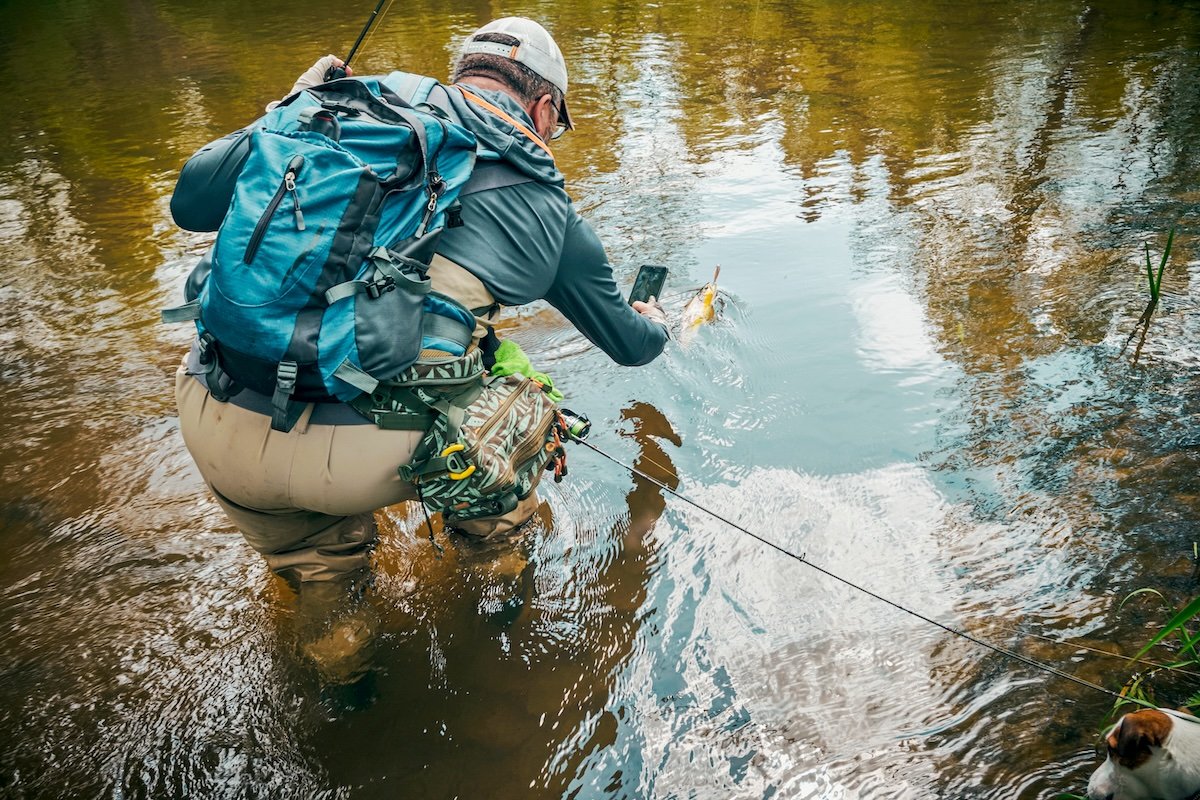
You don’t need to log everything. You just need to log the right things. Apps like Log.Fish make it easy to punch in a few key details while they quietly fill in the rest—weather, tide, barometer, even the moon phase. You focus on catching the fish—it “catches” the rest.
Here’s a simple logging routine that mirrors how great fishermen actually build patterns:
- Where You Fished – No need to drop pins or type out GPS numbers unless you want to. Just jot: “North shore grassline, edge of outgoing.” Log.Fish keeps your spots private, but organized. A few taps, and you’ve marked a zone you’ll want to revisit.
- Water Conditions – Tide stage, clarity, temp, depth. You can fill these in yourself—or let the app pull them automatically based on your trip’s time and location. Either way, you’re locking in what matters.
- Wind & Weather – Most apps can’t recall a 12-knot wind shift. Log.Fish can. It pulls in wind speed, direction, and pressure so you can connect the dots later when that same pattern shows up again.
- Bait, Lures & Techniques – You remember what got bit—but do you remember what got ignored? That soft plastic they ghosted, the topwater that only got short-swiped? Log it. The app makes it quick: you can save go-to lures with color, size, brand, and see exactly when they worked last.
- Timing the Bite – You felt it turn on at 9:45. You swore it shut off around noon. Jot that down. Over time, you’ll start spotting your own bite windows—not based on hearsay or Facebook posts, but on actual, repeatable history.
Tip: Log.Fish lets you tag species, add photos, and track gear used—without ever leaving your phone’s home screen. That lets you fish in the moment and remember it clearly later.
Reading the Past to Predict the Bite
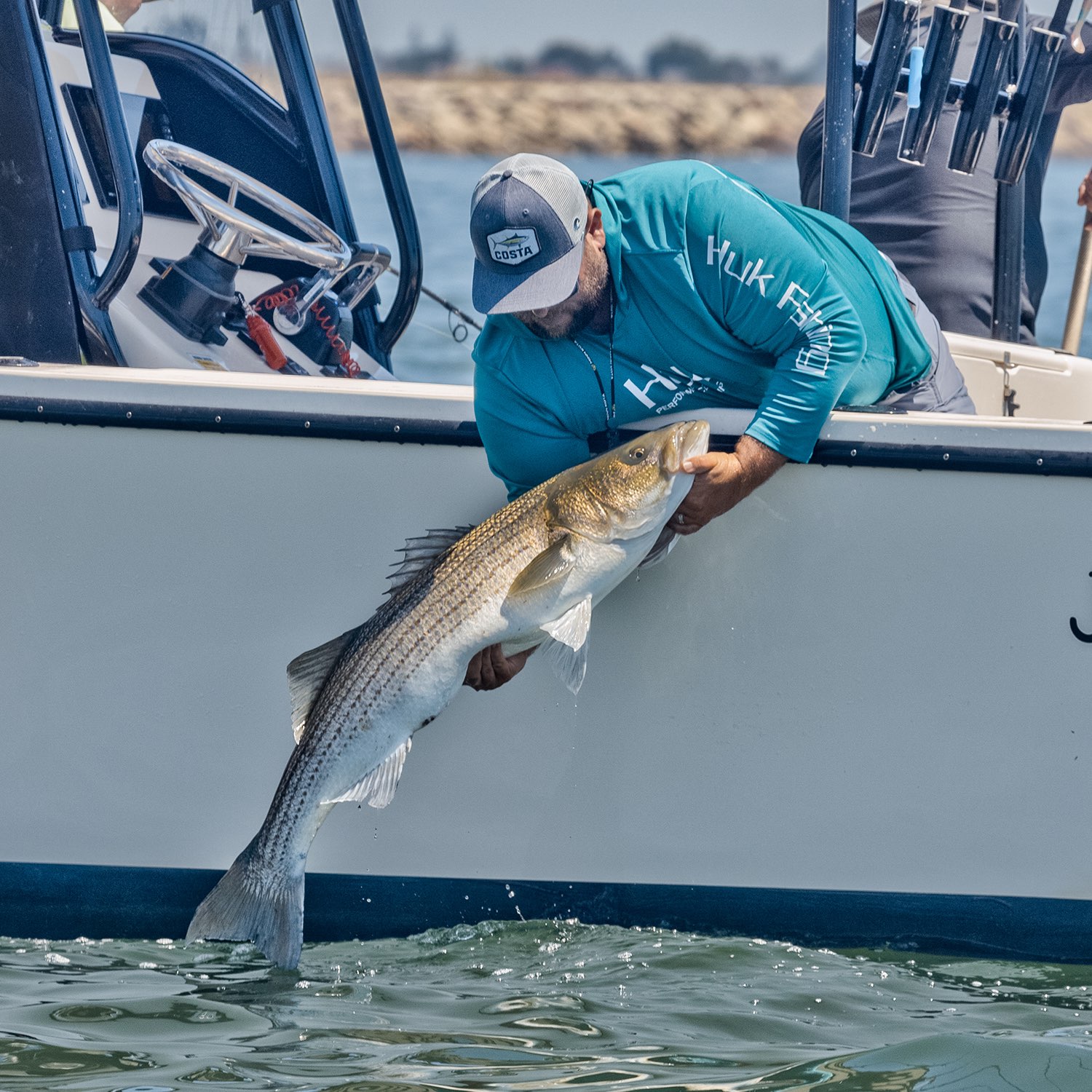
Once you’ve logged enough trips—just the basics, not every single cast—you’ll notice something start to happen. You’ll be getting ready for a day on the water, and instead of guessing based on vague memory or dock talk, you’ll actually know how the day might unfold.
Pull up your past trips from this same month, same tide, same general weather. You might spot a trend: redfish pushed tight to structure just after low tide. Snook favored dock lights on moonlit mornings. Or trout turned on hard after a front—but only once the wind shifted northwest. And so on.
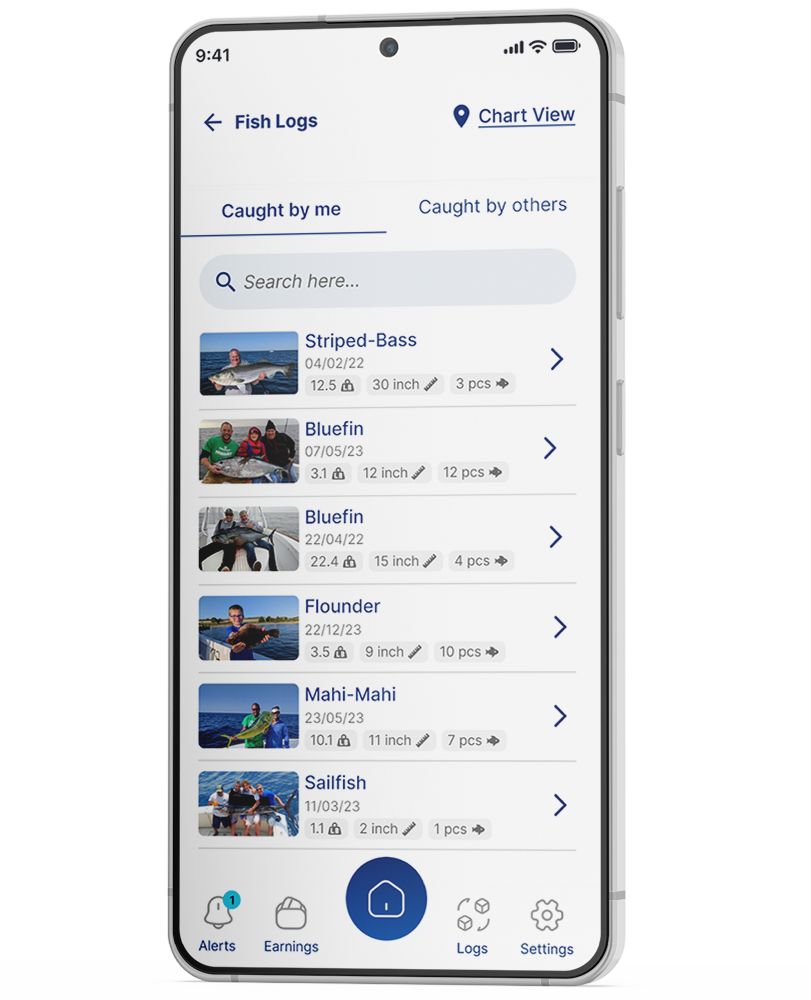
Those aren’t lucky guesses, it’s your own fishing almanac, written by you, for the exact kind of fishing you do.
With a few swipes through past entries, you can:
- Plan what spots to hit first, based on how the tide moved fish in similar conditions
- Pack the right gear and baits (instead of hauling the whole tackle shop)
- Time your run to hit peak windows, not waste gas bouncing around guessing
- Avoid repeating past mistakes—like targeting topwater too early on cold mornings or sticking to a flat that’s let you down three trips in a row
The more you log, the sharper your calls get. And when a day gets tough—and it always does—you’ll have something most fishermen don’t: a fishing journal that actually fits your water and your style of fishing.
If You’re Still on the Fence…
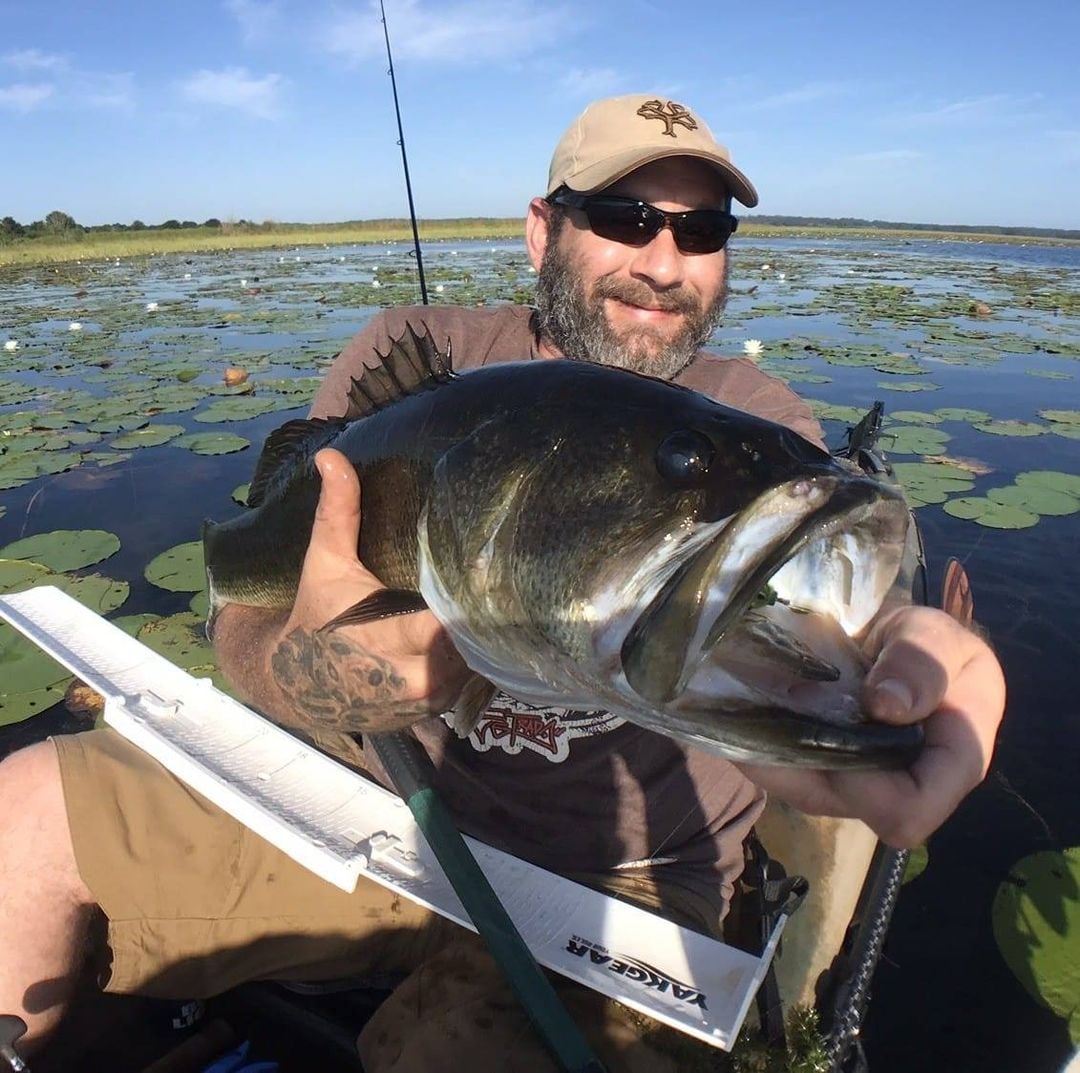
If you’ve made it this far and still feel like logging your trips isn’t for you, hey—no one’s taking your instincts away. You don’t spend years on the water without developing a feel for the fish. And no phone screen is going to replace that. That said, even the best instincts benefit from clarity. And the more time you’ve spent chasing tides, the more valuable your history actually is.
Remember: You don’t need to become a data junkie. You don’t need to log every drift or screenshot every sonar blip. Just build a habit. Start with a few notes after each trip. Let a good tool do the heavy lifting—fill in the weather, log the tide, tuck away your lure choice for next time. You might be surprised how quickly patterns start to jump out at you. Not guesses. Your patterns, backed by science and your own real-world time on the water.
You already know how to fish. Logging just lets you back it up—next time your buddy’s running his mouth about how he found the bite first, you can pull up the trip, show the tide, and remind him whose cooler filled up first.
Final Cast: Instinct + Info = Better Fishing
Logging helps you build a body of water knowledge that’s truly yours. Not something from a guidebook. Not something a buddy half-remembered reading on a Facebook post. Yours.
Logging your time on the water isn’t just about recording glory shots and big numbers. It’s about the full picture: the missed strikes, the baits that bombed, the mornings you got skunked. That kind of information is also important. In fact, it can be what separates real pattern recognition from chasing half-remembered highs.
Because honestly, when you only recall the good days, you start chasing ghosts. But when you take the time to note what didn’t work, you begin to fine-tune.
Over time, you fish leaner, smarter, and with more intention.
Done right, logging builds a personal library of water knowledge—unique to you. Not some generic advice in a forum thread. Not something your buddy read in a group chat. Not secondhand tips passed down over bar talk. This is your own playbook, sharpened by every tide shift, every lure swap, every lesson learned the hard way.
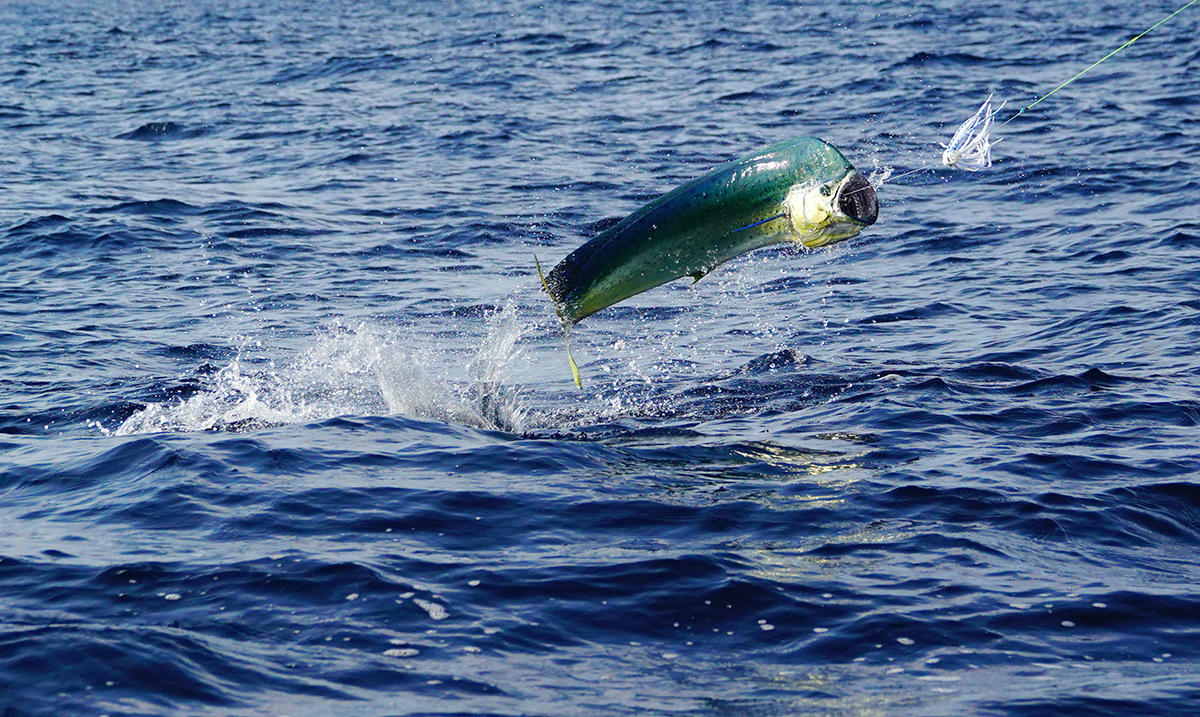
The point isn’t to replace instinct. It’s to enhance it. You already know how to read the signs. A good logging habit just helps you do it faster, clearer, and with more confidence—especially when the bite gets tough or the weather throws a curveball.
No app or spreadsheet is ever going to out-fish you. But it can sure back you up. And when conditions line up just right—just like they did that one day, years back—you’ll be ready. Because even the best human memory isn’t always enough. But a good log? That can turn a gut feeling into a game plan.
You already fish smart. Logging just gives you more of what you need to do that even better. No app’s going to beat your experience. But it can back it up. And over time, that adds up to more fish and less guesswork.