Fishing Apps for Logging, Forecasts, and Tides
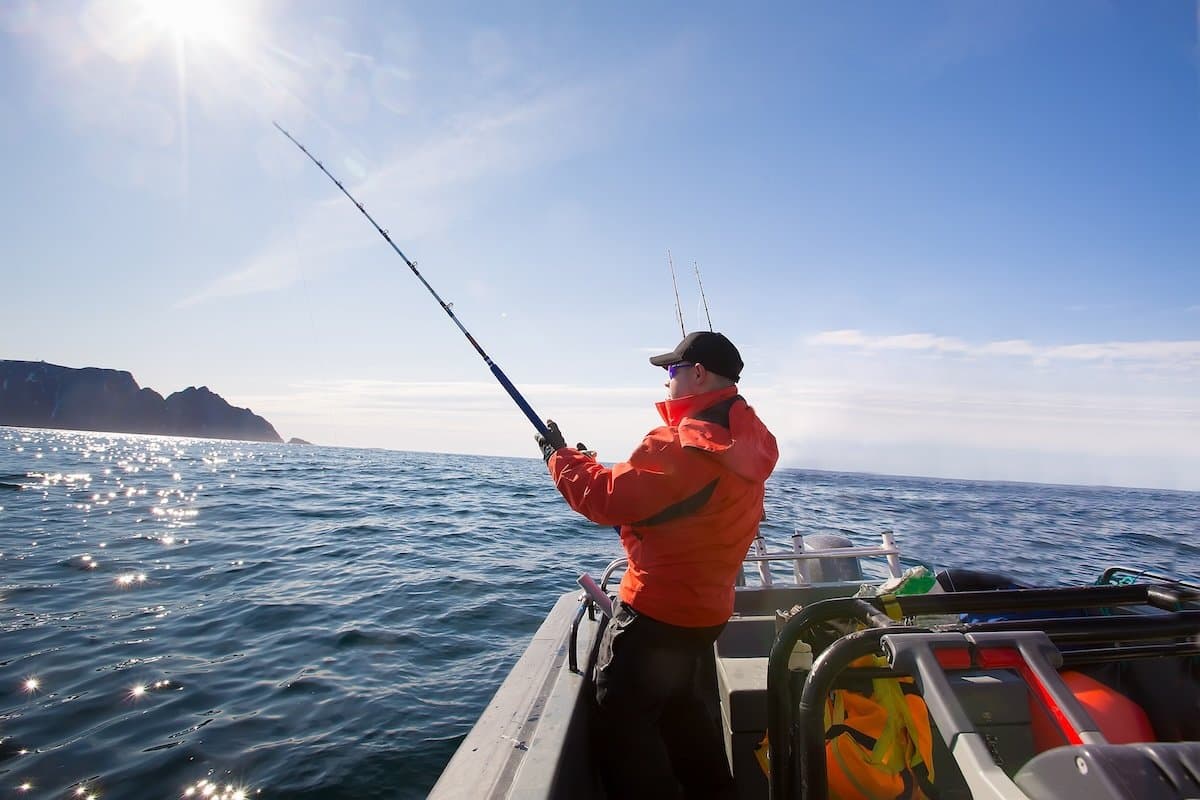
Once upon a time, keeping track of your fishing spots meant scribbled notes, weathered maps, and trying to remember what the tide was doing last Saturday. These days, you’ve got fishing apps.
We’re not talking about cheesy fish simulators or old-school tide clocks. We’re talking modern tools that help you catch more fish—whether you’re keeping it casual on the weekends or building out a competitive edge.
If you’ve never used one—or if you’ve only downloaded one and deleted it a couple hours later—this guide is for you. We’re breaking down what fishing apps really do, why they matter, and what to look for when choosing one that fits your style on the water.
What Kind of Fishing Apps are Out There?
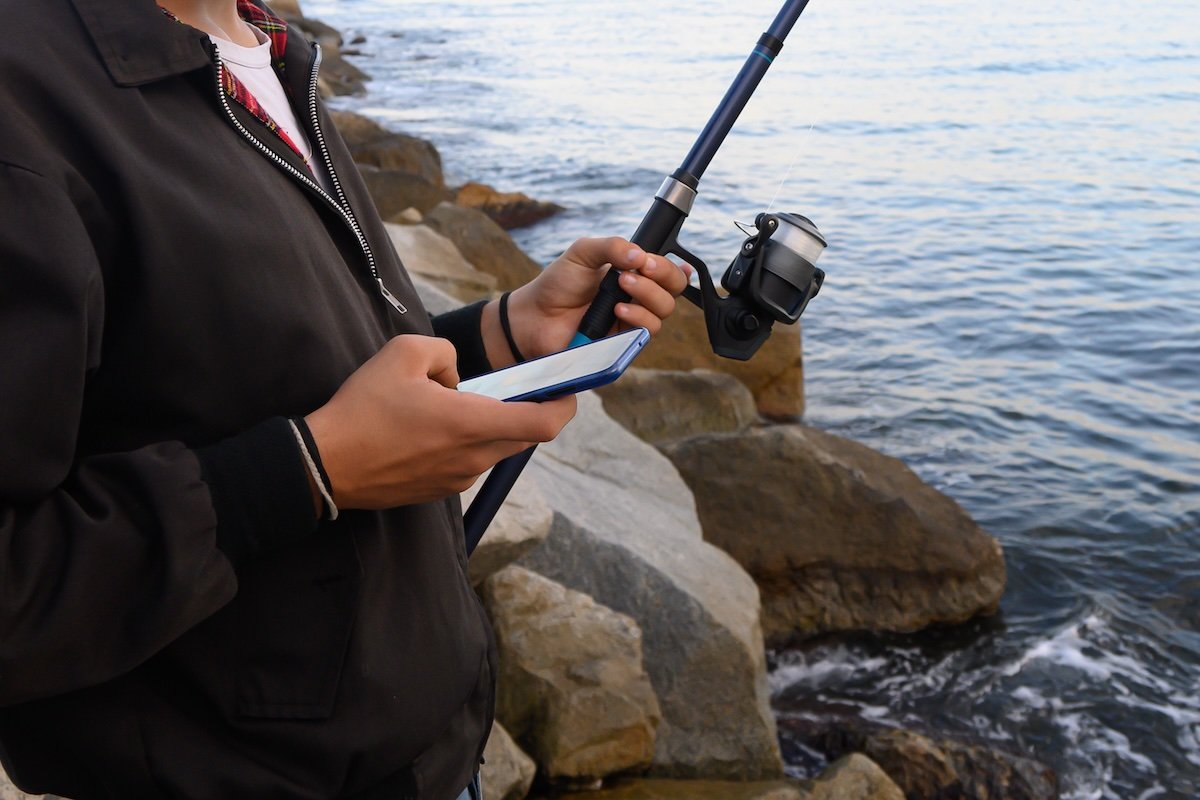
Think of a fishing app as your digital fishing journal, trip planner, weather tool, and scouting companion—all in one. The best ones simplify the stuff you’d normally have to juggle: logging your catches, checking weather and tides, remembering moon phases, or tracking patterns over time.
Some are built for data nerds. Others are designed for guys who just want to tap once and move on. But the common thread is, they’re built to help you fish more effectively by connecting the dots between your catches and the conditions around them.
7 Things a Fishing App Should Help With
You don’t need a dozen different apps. The best fishing apps cover the full spectrum of on-the-water needs. Here’s what you should expect from one that’s actually worth using:
1. Instant Catch Logging
Gone are the days of pen-and-paper logs. A good app makes recording your catch effortless—ideally with a photo and one tap. It should automatically capture:
- Time and date
- Location
- Weather conditions
- Tide stage or moon phase (or both)
Why it matters: You build a searchable, private database of your own fishing history that you can pull up anywhere. Less time fiddling, more time fishing.
2. Environmental Data
Most apps will tell you the weather. But the best ones pull in real-time data from:
- NOAA buoys
- Radar overlays
- Wind, tide, and swell forecasts
- Solunar calendars
Having that data layered together—on a map or timeline—lets you understand what was really going on when the bite turned on (or shut down).
3. Pattern Tracking Over Time
If you fish the same waters regularly, data becomes gold. Apps that store and organize your fishing logbook let you answer:
- “Was this the same tide we fished last fall?”
- “What time did we hook up last May during the full moon?”
- “How did the current affect the bite this time last year?”
This turns your app into more than a log—it becomes your own fishing playbook.
4. Offline Access for Remote Areas
You can’t always count on signal when you’re deep in the backcountry or out past the jetties. A good app will store your catch maps, logs, and weather data offline, so you’re not flying blind even when your bars disappear. You can still mark spots, track what’s working, and pull up the conditions that led to your last hookup—even if you haven’t been near a cell tower in hours.
5. Community or Club Features That Don’t Feel Like Spam
Some apps let you share catches with friends or join fishing clubs—but many go overboard with crowded leaderboards and endless comment threads. Instead, look for:
- Private sharing options
- Customizable clubs with feeds that stay relevant
- The ability to create challenges or run simple tournaments
Used right, this keeps your crew connected without becoming a social media black hole.
6. Modern Tournament Capabilities
More serious fishermen—especially guys who fish competitively or run in tournaments—can benefit from features like:
- Automated scoring based on length or weight
- Verified photo submissions
- Real-time leaderboards
- Moderator controls
If you’ve ever run a derby with spreadsheets and emails, you already know how valuable this kind of system can be.
7. Your Data, Your Rules
This one’s big. The app you use should make it clear:
- Who owns the data (you should)
- What’s private vs. shared (nothing public by default)
- Whether you can delete or monetize your data
You don’t want your hard-earned catch info feeding a corporate database without your say-so. Look for apps that respect ownership and give you control.
What Type of Fisherman Are You? (And What That Means for Your App Setup)
Apps for fishing aren’t one-size-fits-all (nor should they be). The features that matter to you will depend heavily on how, where, and why you fish. Here’s a breakdown of common fishing styles and what you should prioritize in an app depending on your approach.
🧭 The Local Explorer
You stick close to home—maybe it’s a lake, a marsh, a stretch of river, or your favorite launch ramp. You’re not trying to reinvent the wheel—you just want to fish smarter each time you go.
You’ll want:
- Fast, photo-based catch logging
- Spot tagging to build your local playbook
- Basic weather and pressure data overlays to start identifying bite windows
This applies to everyone from weekend bass guys to folks who wade the flats twice a month.
Your ideal app should be lightweight, quick to use, and not overloaded with features you’ll never touch.
🌊 The Saltwater Regular: Inshore, Nearshore, or Offshore
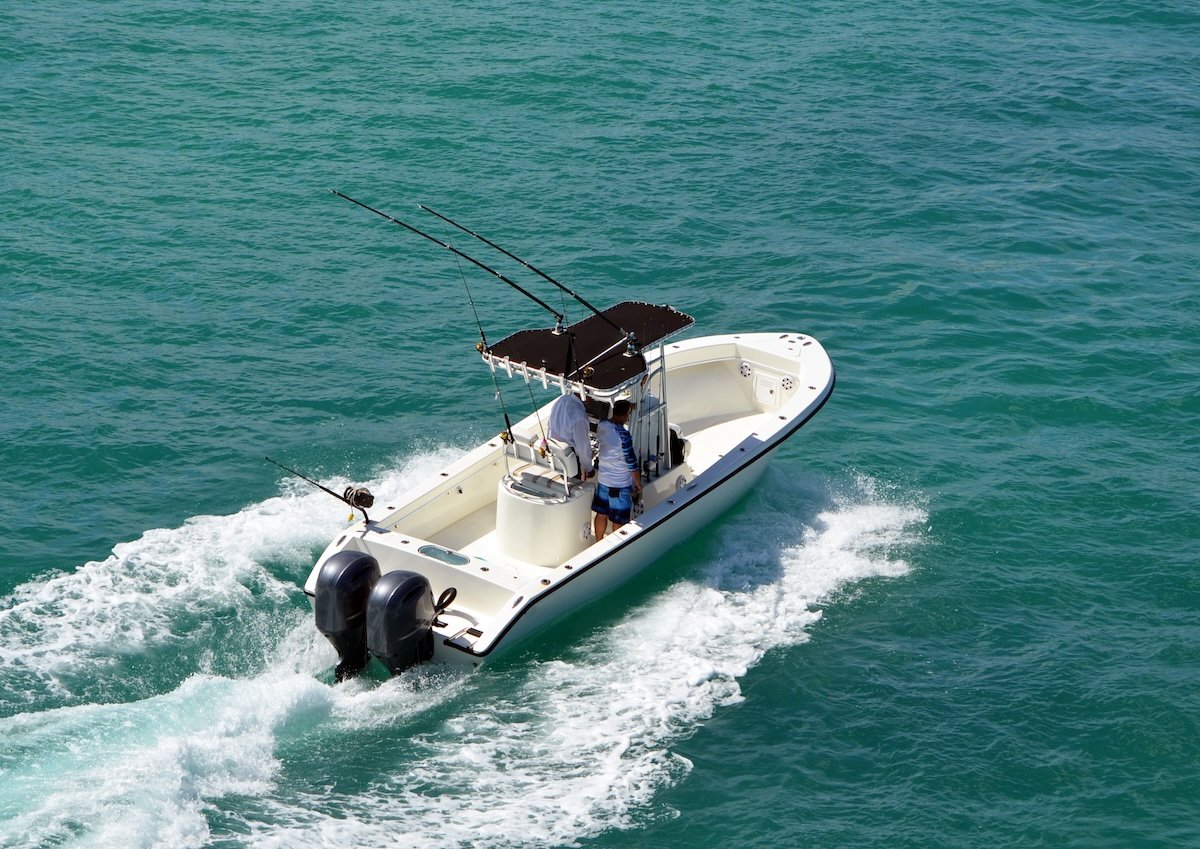
Whether you’re working grass flats, running the passes, or chasing bait balls near the reef line, saltwater conditions change fast—and they change everything. Your success often hinges on:
- Real-time tide overlays to plan around water movement
- Wind, swell, and current data to know where you can safely fish
- Moon phase and solunar activity tracking to anticipate bite windows
Over time, apps that let you log these factors alongside your catches can help you identify repeatable patterns tied to tide shifts, moon timing, or offshore structure behavior.
🛶 The Kayak or Backcountry Explorer
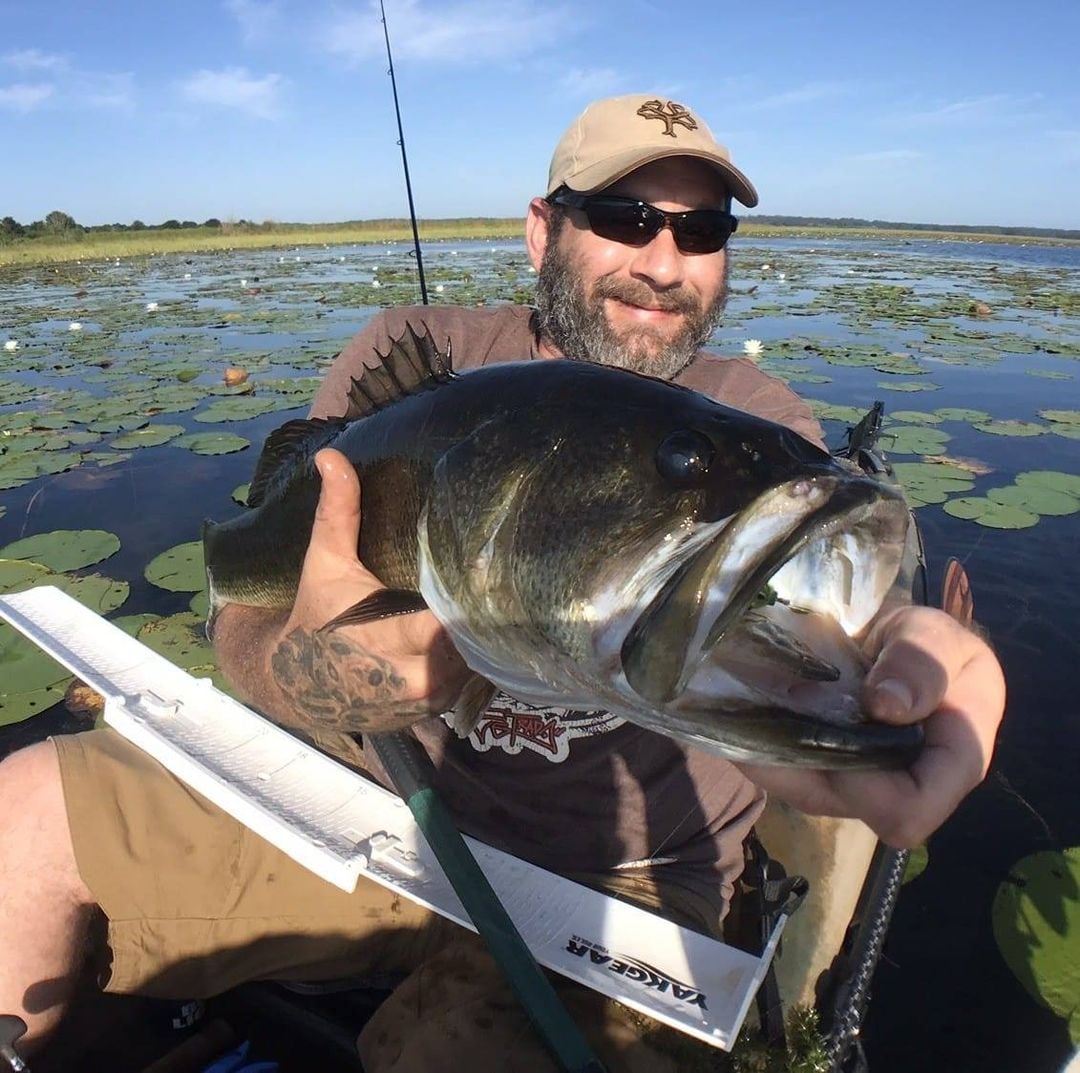
If you’re paddling or trekking your way into out-of-the-way spots, you’re likely more dependent on your phone—without reception. That means:
- Offline maps and logging tools
- Battery-efficient design
- Smart caching of weather data before your trip
You’re also the type who needs minimal distractions. So an app with zero bloat and high functionality offline is key.
🏆 The Tournament Angler or Hardcore Tracker
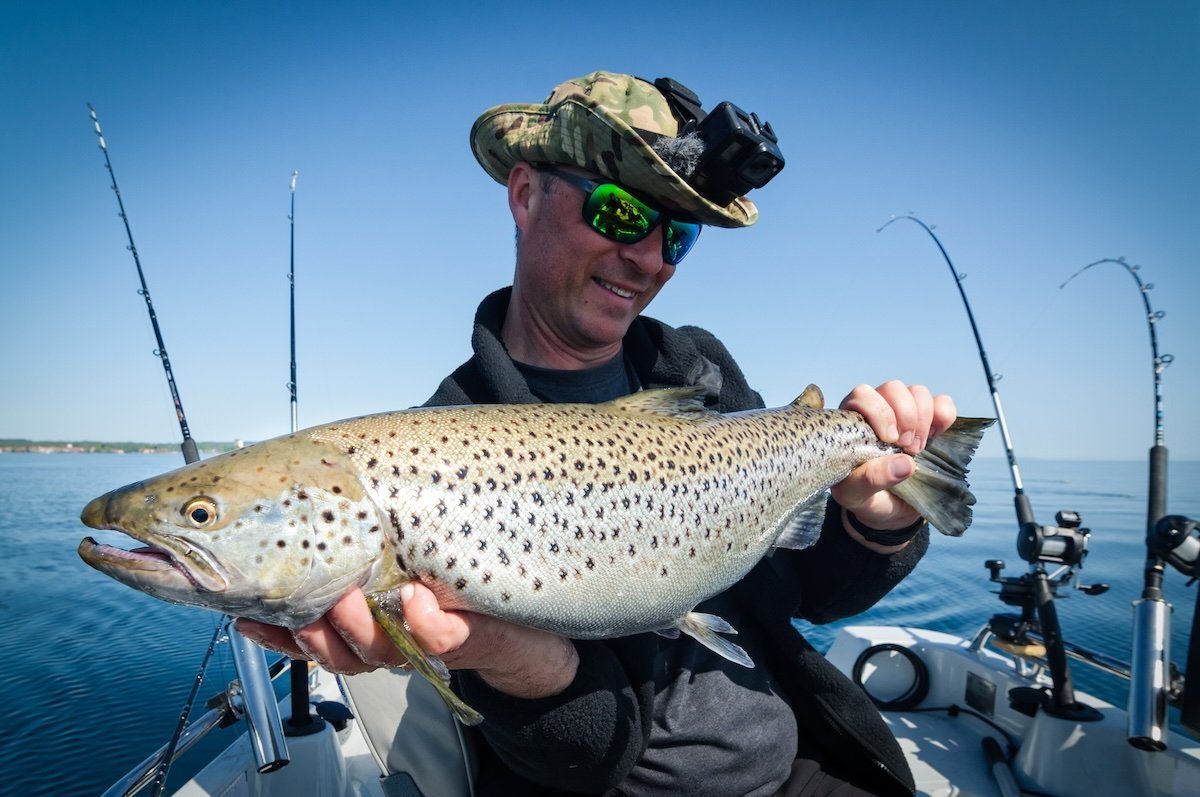
You probably care less about pretty interfaces and more about accuracy, verification, and historical comparison. Features to prioritize:
- Automated catch verification with timestamp and location
- Custom scoring systems for tournaments
- A historical log of catches, patterns, and results by location and time
If you’re fishing competitively—whether officially or just within your crew—an app that can handle data review and scoring automation without making you jump through hoops is a massive win.
How to Choose a Fishing App You’ll Actually Use
Even the best app doesn’t help you if it sits unused on your phone. Here’s how to tell whether a fishing app will make your time on the water easier, and help you catch more fish.
1. One-Tap Logging
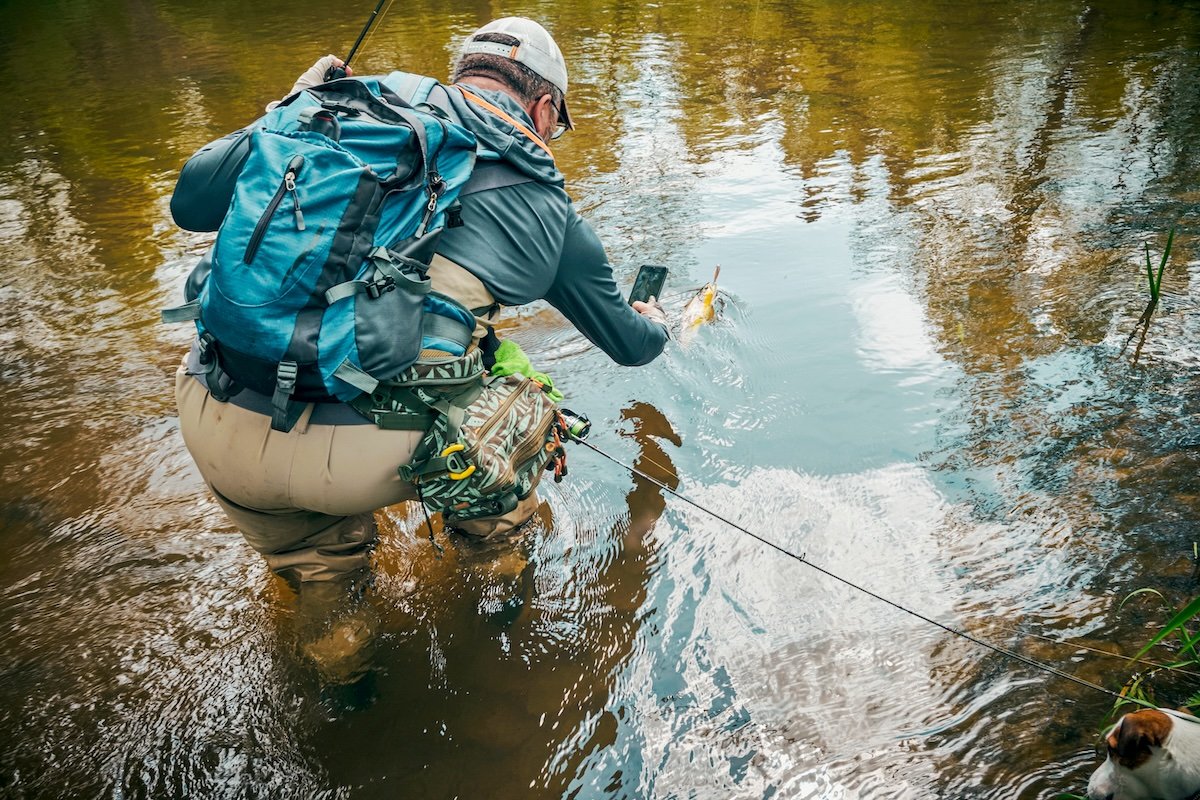
If it takes more than a few seconds to log a catch, you’ll stop doing it. The best fishing logging apps let you take a photo and record everything automatically—so you don’t need to waste time entering tide stages, coordinates, or weather manually. Bonus points if the app pulls this info in from live sources.
2. Cross-Device Syncing
Some fishermen start planning on a tablet or desktop, then fish with their phone. Others log on their phone, then want to review data on a bigger screen at home. Look for an app that keeps your catch logs and environmental insights synced across devices, without requiring a confusing setup.
3. Clean, Simple Interface (No Junk or Spam)
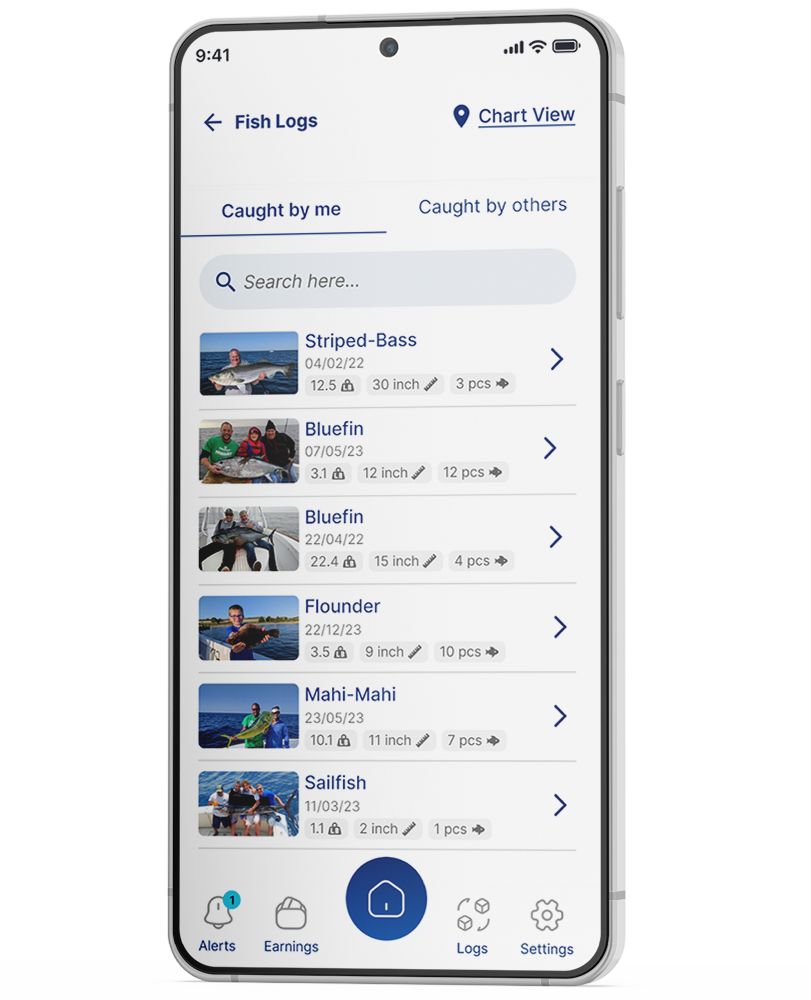
Too many apps are trying to be the next Facebook. Unless you’re specifically joining a tournament or private club, your app should respect your time and focus. That means:
- No forced public posts
- No random comment threads or popups
- No annoying leaderboards unless you want them
If the core fishing tools are buried beneath a feed of strangers posting selfies with fish, it’s probably not the right fit.
4. Live Data from Trusted Sources
The most helpful environmental overlays (weather, radar, wind, swell, tide, etc.) come from real-time sources like NOAA, offshore buoys, or solunar APIs. Apps that tap into these offer a far more useful picture of what’s happening now—and what’s coming in the next few hours.
Before you head out, you should be able to:
- Check tide shifts by location
- Watch wind patterns animate across your area
- Layer in radar or sea surface data
…all from one screen, not five different apps.
5. Battery-Friendly, Offline Capable
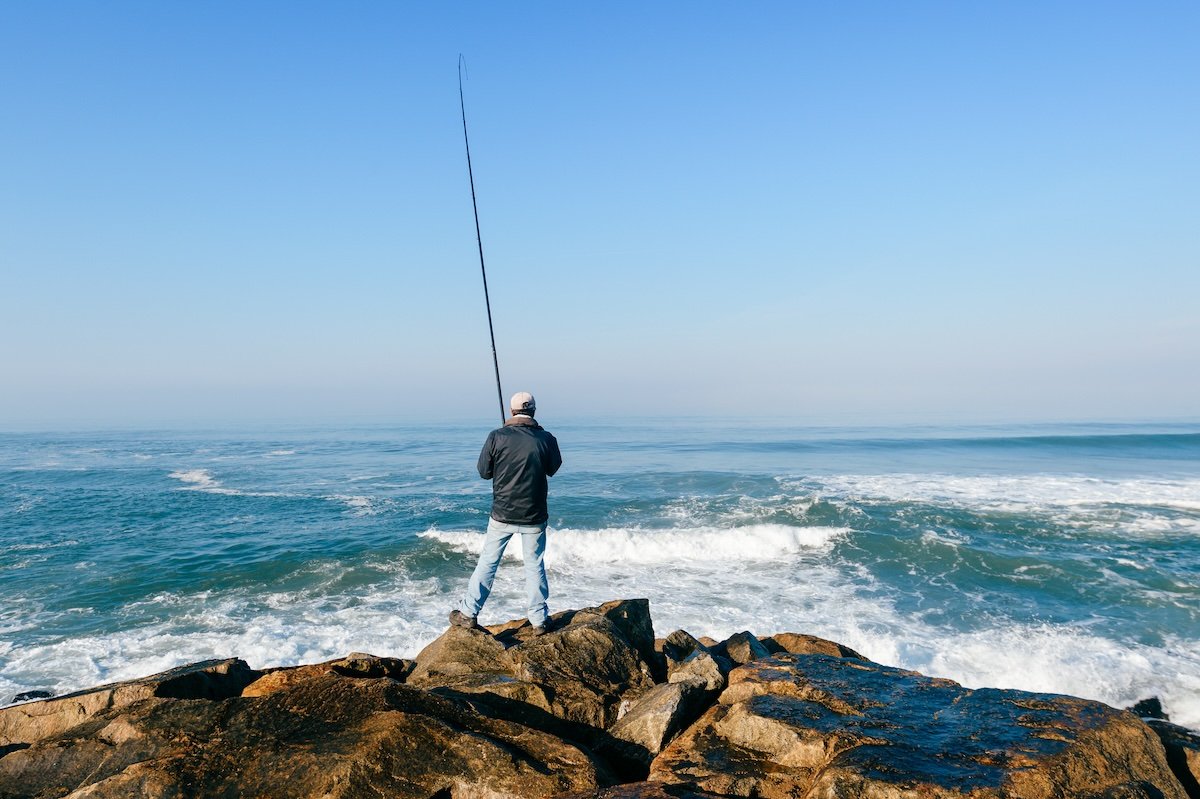
If the app drains your battery or breaks when you go out of service, it’s not designed with real fishermen in mind. You want an app that:
- Stores local maps and past logs offline
- Minimizes background processes
- Doesn’t force constant sync with cloud servers
This becomes especially important when fishing long days, remote spots, or kayak backwaters where signal drops off fast.
6. Your Privacy Comes First
A good app won’t treat your data like a product. Look closely at:
- Whether your catches are private by default
- What happens if you stop paying (does your data disappear?)
- If there’s a clear option to export or download your logs
Bonus if you can control visibility—maybe you want to share with friends or club members, but not with random strangers.
What Makes a Fishing App a Keeper
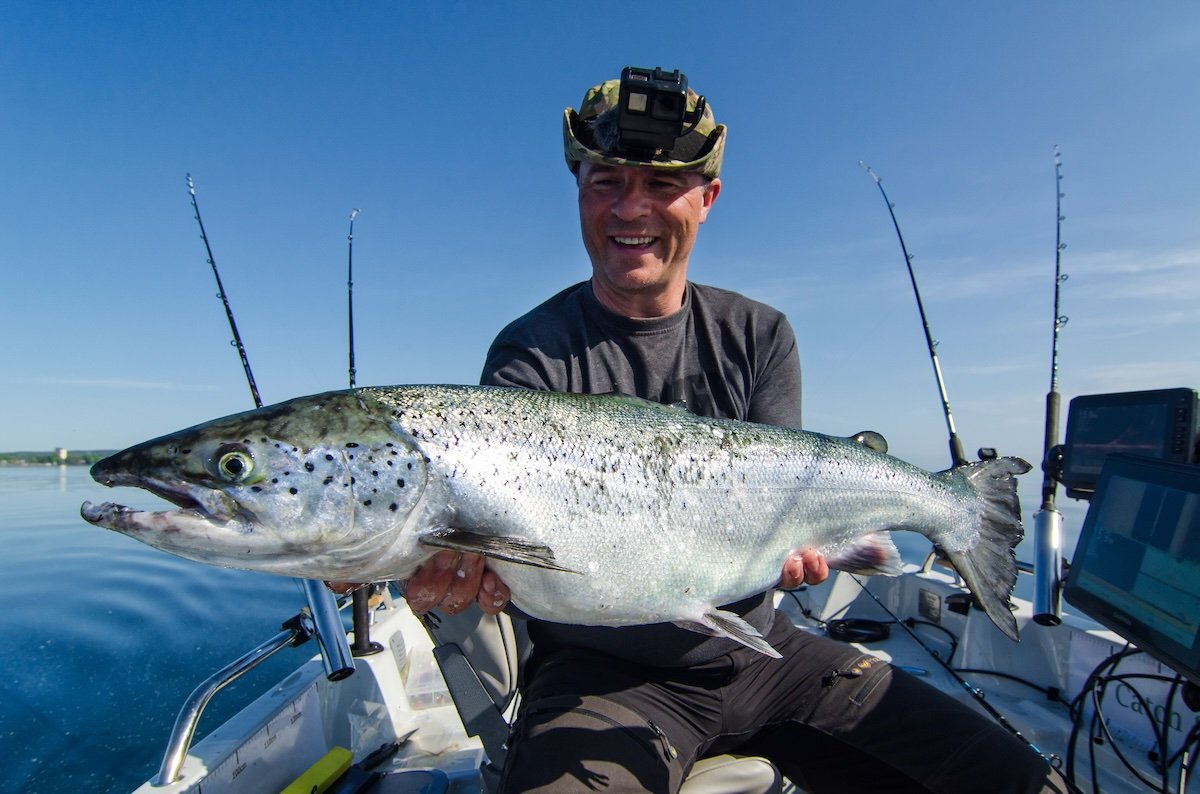
A lot of fishermen download an app, tap around for a weekend, then delete it. It’s not because the idea is bad—it’s because the execution didn’t match how they fish.
Here’s how to turn an app from something you try into something that becomes second nature.
Start Simple, Then Layer Features
You don’t need to use everything at once. Start by just logging your catches with photos. Let the rest of the data record itself. After a few trips, review the logs—not to analyze, but just to see what’s showing up.
As you get familiar with your own habits and favorite spots, you’ll naturally start noticing patterns in:
- Time of day
- Tidal stage
- Wind direction and speed
- Moon phase
At that point, you’ll probably start checking the forecast before you head out—and over time, you’re not just reacting to conditions. You’re planning ahead based on your own historical results.
Use Your Own Data to Scout Spots
Once you’ve built up 30, 50, or 100 catch logs, things shift. You start:
- Spotting trends for specific times of year
- Seeing which spots fade during summer heat
- Knowing when to skip a trip because conditions are stacked against you
That’s when the app stops being a tracker and starts being a scouting tool. Not for someone else. Not for some generic weather forecast. But for you—on your home water, or wherever you fish.
Get More Consistent Fishing Even on Slow Days
One of the biggest mistakes? Only logging good trips.
If you skip logging on the slow ones, you’re deleting the data that shows you when and where not to fish.
A better personal catch journal will includes the skunks, the grinds, and the off days. That’s what gives you true confidence next time you’re deciding whether or not to launch.
What to Watch Out For: App Pitfalls That Kill the Experience
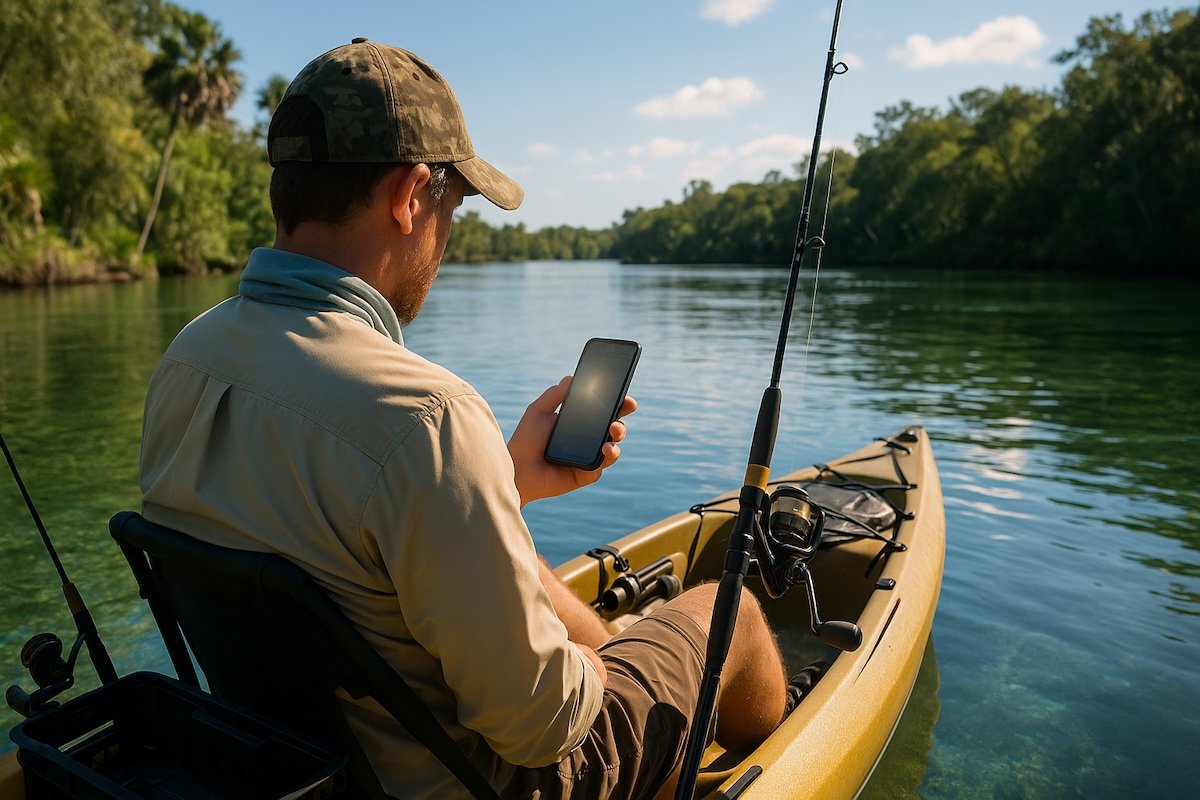
Before we wrap, here are a few red flags that usually lead to frustration or wasted time:
❌ Clunky Logging That Slows You Down
When the bite is on, no one wants to waste time typing notes or toggling through drop-downs just to save a catch. Logging should be fast, photo-based, and automatic where it counts—like location, time, weather, tide, and moon phase.
A good app keeps things moving: snap the photo, hit save, done. The goal isn’t to fill out a worksheet. It’s to capture the key details without breaking your rhythm on the water.
❌ Forced Social Features
You shouldn’t have to share your catches just to log them. Any app that posts your data publicly by default is built for clicks, not for fishermen.
Some apps blur the line between logging and broadcasting. You go to save a catch—and suddenly it’s public. Or shared in a community you didn’t even know you joined when you installed the app and signed up.
You should be able to log catches without sharing them. You should also be able to share with just your crew, your tournament, or no one at all.
When it comes to phone apps, privacy should be the starting point—not an afterthought.
❌ Data That Disappears Without a Heads-Up
Some fishing apps limit how long your logs are stored—for example, only keeping your most recent 30 days of catch history. That’s fine if it’s clearly explained up front. But for a lot of guys, it comes as a surprise, especially after they’ve spent months building a personal fishing database.
If an app purges older logs automatically, it should:
- Tell you clearly what’s stored and for how long
- Give you a heads-up before anything gets removed
- Offer simple, affordable ways to keep your data if you want to
Logging catches takes time. You deserve to know how your info is handled, and you shouldn’t feel penalized for being consistent. A well-designed fishing app should make data retention feel like a smart upgrade—not a punishment.
❌ Cluttered, Laggy, or Full of Distractions
No one wants to fight through pop-ups, ads, or buried menus just to log a fish or check the tide. If every tap feels like work—or if basic tasks take too many steps—you’re not going to keep using it.
The best apps keep things clean, responsive, and focused. You should be able to open it, log what matters, and get back to fishing—without getting sidetracked by bloated dashboards or noisy social feeds.
An app can be powerful and feature-rich—but it should never feel like work just to use it.
Best Fishing App for Logging & Catching Fish
By this point, you know what to look for—and what to avoid. Clean logging, real environmental data, offline use, and privacy controls aren’t bonus features. They’re table stakes for something you’ll actually stick with.
If you’re looking for an app that checks those boxes, Log.Fish is worth a look. It’s built around quick, photo-based catch logging that captures everything about the spot and logs it automatically—tide, time, moon, weather, location—without taking any more time than snapping a pic of your catch.
 It also leans into the stuff that most other fishing apps miss:
- Live environmental overlays with radar, currents, moon phases, and wind data pulled from real sources like NOAA and offshore buoys
- A club and tournament system that doesn’t feel bolted-on or spammy
- Built-in privacy settings, so you control who sees what (or if anything gets shared at all)
One detail that stands out: your data is private by default, and if you decide to share it, you can even sell your catch logs directly through the platform. It’s not bloated, it’s not trying to be a social network, and it doesn’t force you into anything. You fish how you want—Log.Fish just helps you keep track of what matters.
Don’t Just Log It—Learn From It
 Whether you’re logging for fun, scouting ahead, or tracking serious patterns, the key is this:
- Keep it simple.
- Use it consistently.
- Make sure you stay in control of your catch data, your spots, and your insights.
You’ve seen what matters. Now use the app that was built around it—and keep fishing smarter from here on out.