How Water Temps Affect Saltwater Fishing (Inshore→Offshore)
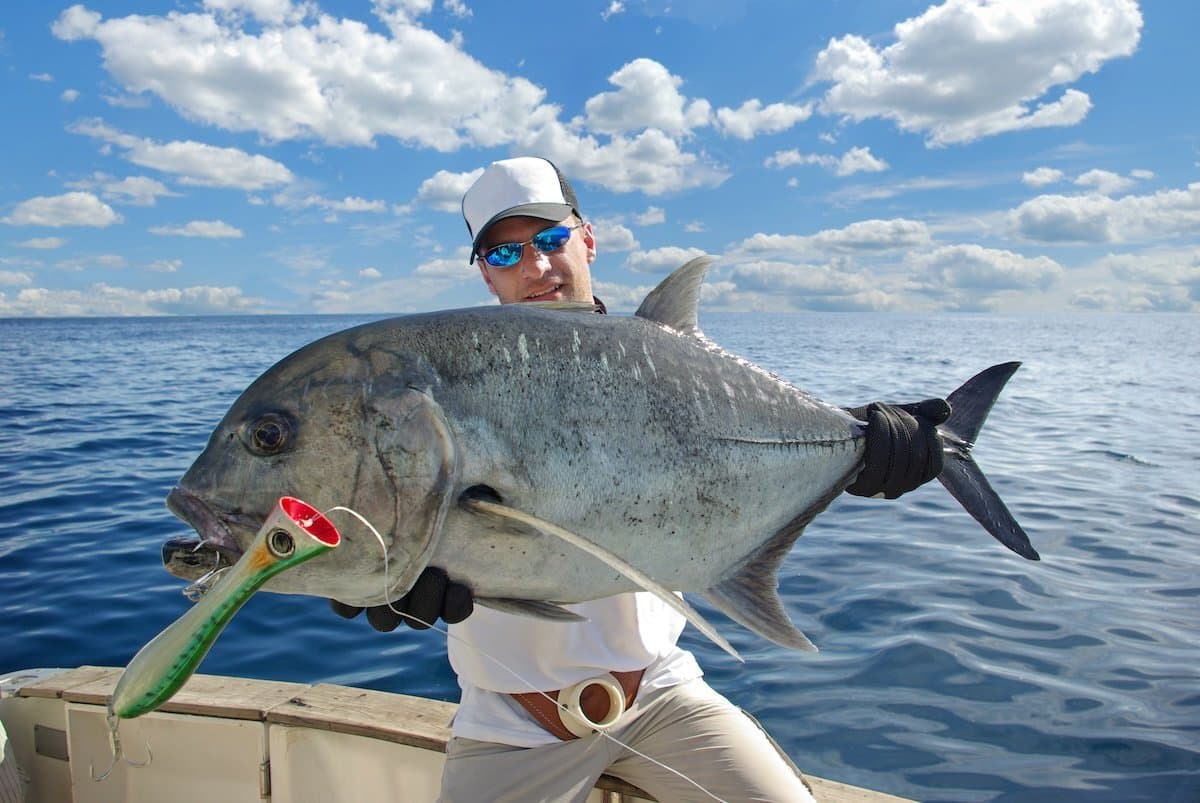
Most fishermen know water temperature matters. It’s right up there with things like “use sharp hooks” and “don’t leave your bait in the sun.” But a lot of folks treat it like background noise—something to glance at, nod about, and then go back to doing whatever they were going to do anyway.
If you want to catch more fish, it’s worth understanding water temperature for what it actually is: one of the biggest, loudest signals fish send about what they’re doing, why they’re doing it, and whether they’ll even look at what you’re throwing. These days, there are even fishing apps for your smartphone that can help you keep an eye on water temperature trends, but knowing how to read them yourself is still the real edge.
It’s the same story whether you’re fishing a back bay, bouncing jigs off a wreck, or chasing color breaks offshore. Wherever there are fish, water temperature’s got something to say about how your day’s going to go.
Inshore, nearshore, offshore—each has its own patterns and quirks. Let’s start close to shore and work our way out:
Inshore Fishing
Inshore water is shallow. It warms up fast. It cools down fast.
And the fish that live there—trout, drum, flounder, snook, jacks, striped bass, snapper, and plenty more—feel every bit of it. They don’t have the luxury of dropping down another hundred feet to find a comfy layer. Whatever the water’s doing on the surface, it’s doing to them.
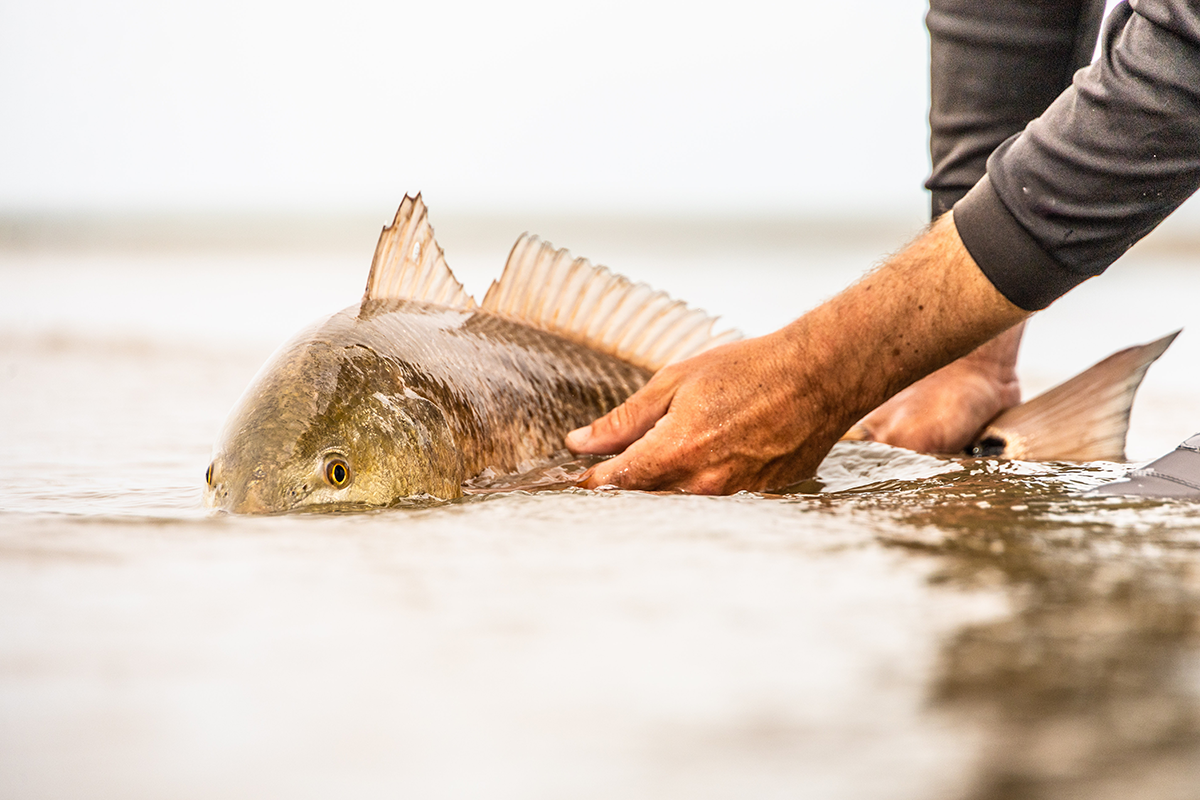
Here’s how it usually shakes out:
- Cold Snaps: When a front blows through—one of those weather shifts that drops the temperature fast—and makes the water temp fall by 5–10 degrees, inshore fish almost always shut down. Trout stop chasing, other fish get sluggish, and species used to warmer water (especially snook and other tropical fish) can even start dying off if it gets cool enough.
- Warming Trends: A couple warm, sunny days in winter or early spring? That water can jump up just a few degrees, and suddenly everything starts waking up. Baitfish show back up. Predators get a little snappier. It’s like somebody flipped a switch.
- Summer Bake: Once water temps get into the high 80s (sometimes even 90s in skinny flats), fishing can slow down. Oxygen drops, fish get stressed, and they either move deeper or feed during cooler parts of the day (early morning, late evening, or even at night).
A lot of fishermen figure that a couple degrees here or there doesn’t make much difference. And if you’re used to thinking like a human, that makes sense. You might not even notice if the water around you warmed up or cooled off by 3 degrees. But for a fish, it can be the difference between feeding hard or locking jaw tight.
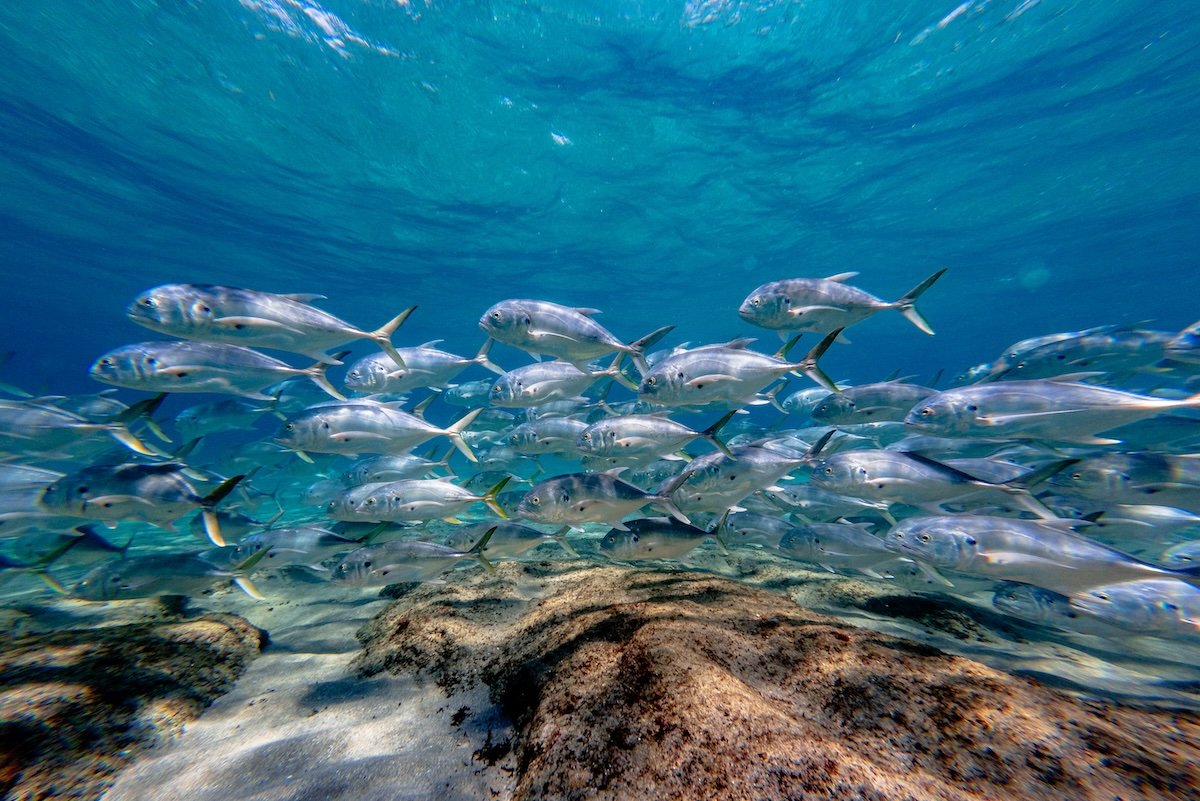
One of the biggest missed opportunities? Microclimate fishing. If a flat or a creek mouth gets a little warmer or cooler than the surrounding water—maybe because of darker bottom, better tide flow, or sun exposure—it can stack fish up like crazy. Logging catches with water temp lets you spot these patterns instead of just feeling lucky.
📋 Quick Guide: Water Temps Where Fish Turn On
Not all fish wake up at the same time. Here’s a rough cheat sheet:
- Trout (Seatrout, Sea Trout, Weakfish, etc.): 55–70°F — livelier above 60°F
- Drum Species (Red, Black, Mulloway, etc.): 58–75°F — mid-60s is prime feeding weather
- Snook & Other Tropical Inshore Fish: 70–85°F — strong above 70°F, stressed below 60°F
- Striped Bass and Similar Coolwater Predators: 50–68°F — cooler water suits them best
- Snapper (Mangrove, Lutjanid family, etc.): 72–84°F — prefer warm, steady conditions
🧠 Pro Tip: Your local species might shift a few degrees up or down — logging water temps with catches helps you dial in your own “magic numbers.”
Nearshore Fishing
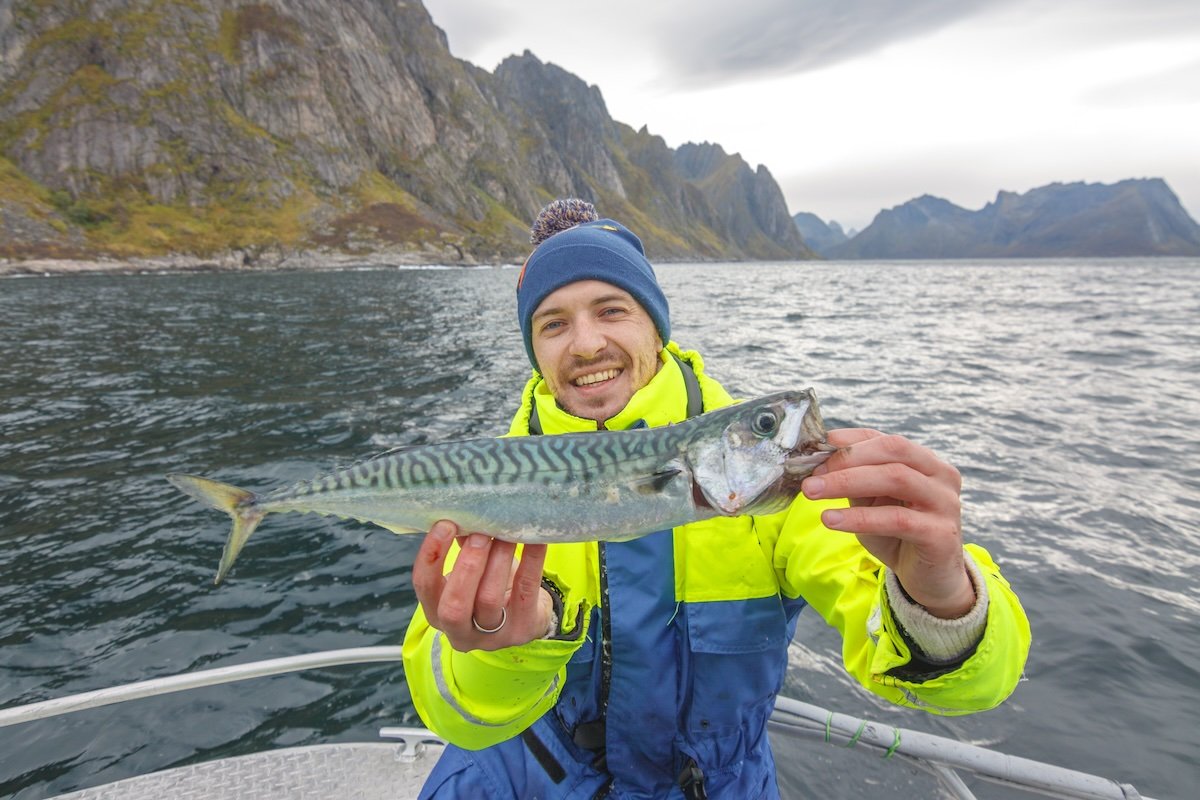
Move a couple miles out and you’re in nearshore territory—the reefs, wrecks, ledges, and beach runs.
Water temperature still matters out here, but it doesn’t swing as wildly as it does inshore. You don’t get those wild, hour-by-hour swings like you do in a shallow flat or creek. At least not on the surface. Below the surface, though? Different story.
Thermoclines & Transition Zones
Ever heard of a thermocline? It’s basically a layer where the water temperature suddenly drops like a rock—sometimes 10–15 degrees colder just a few feet down.
When fish find a thermocline:
- Above it: Water’s warmer, oxygen is higher, baitfish hang out. Predator fish hang just above or right around it, using the cooler water to stay comfy and ambush prey.
- Below it: Dead zone. Too cold, too little oxygen. Might as well drop your bait into an empty parking lot.
If you’re bottom fishing and suddenly everything gets real quiet? Might be fishing below the thermocline. Adjust your game.
And just like inshore, nearshore fish—everything from mackerel and cobia to tarpon, jacks, and even sharks—react strongly to surface temp changes.
Warm eddies, cold water upwellings, temperature breaks—they all tell you where bait will stack up. Find the right temperature, and you’ll often find the bait pushed into thick schools, hugging structure, riding tide lines, or gathering along color changes. And where there’s bait, there’s teeth not far behind.
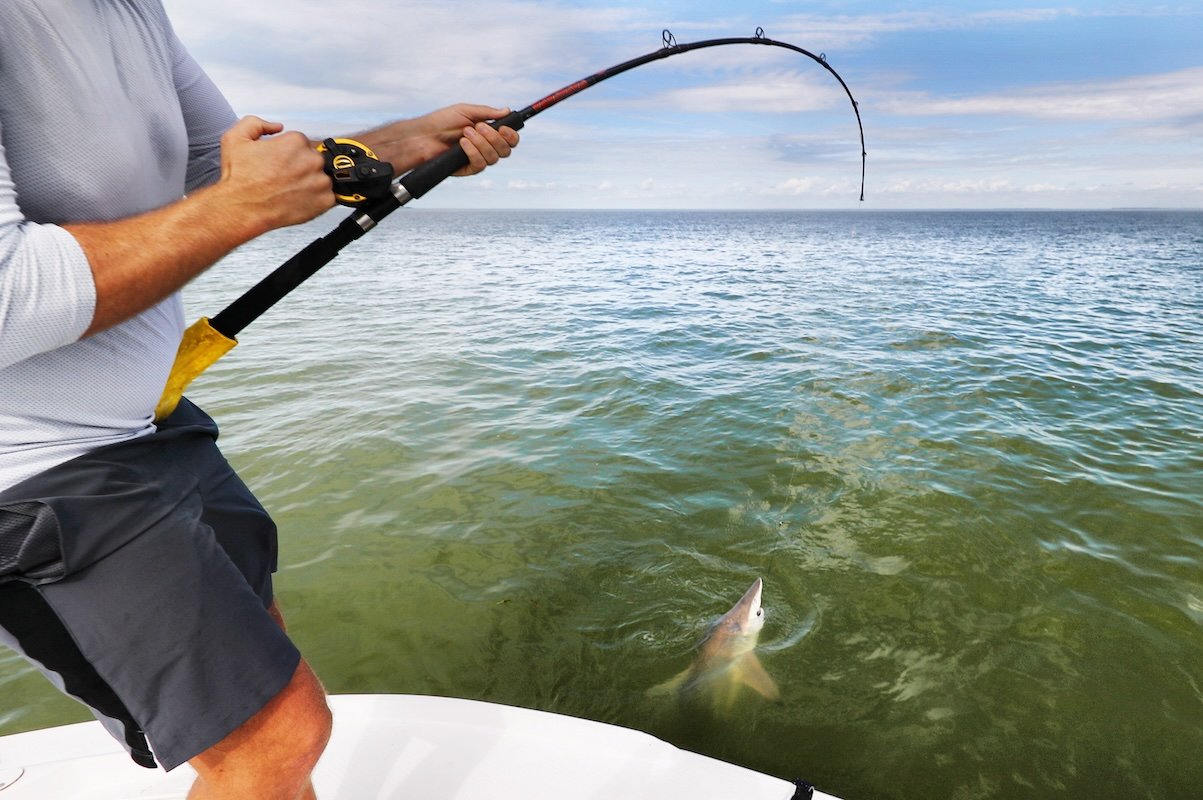
A lot of people make the mistake of chasing marks on the screen without paying attention to what the water’s telling them first. Fish your conditions, not just your electronics. The best days can happen when you put yourself on the right water before you even worry about the first blip on the sonar.
Chasing marks on sonar without reading conditions is a real, common mistake, especially among newer or tech-heavy fishermen. You can have a fancy sonar showing some fish, but if the conditions (water temp, clarity, current, oxygen, structure, etc.) are wrong, the fish might be inactive or uncatchable.
Here’s a real-world example from saltwater inshore fishing (but it applies just as easily to bass, walleye, etc.):
Example Scenario: Early spring, coastal marsh, targeting speckled trout.
- Conditions:
- Water temperature is hovering around 61°F.
- There’s a light, steady south wind.
- Clearer water on the leeward side of islands and points.
- Baitfish (mullet and glass minnows) are pushing into the marsh with the warming trend.
- Two choices:
- Option A: Go chasing random sonar marks in open water areas — maybe you spot suspended fish over 12 feet of water where it’s murky and cold underneath.
- Option B: Fish your conditions — focus on south-facing shorelines (warmed up quicker), clear water edges near baitfish activity, 2–4 ft deep grass flats and current seams.
What happens:
- In Option A, sure, you might see fish suspended on sonar. But they’re often sluggish because the cold water at depth slows their metabolism. You might burn hours trying to get a bite out of cold, inactive fish — even if the screen looks good.
- In Option B, even before you spot anything on sonar, you’re putting your lure in warmer, bait-rich, oxygenated water. These fish are often active because of the conditions.
And when you do see a sonar blip (or a bait cloud flicker, or hear popping shrimp sounds), it’s confirming you’re in the right zone — not telling you to start fishing from scratch.
In short, if you fish the conditions first, you’re playing the odds right. If you only fish the marks, you’re gambling that those fish want to bite, and a lot of the time, they don’t.
Same thing happens with bass:
- Fish the pre-spawn transition zones (staging points near spawning flats) in early spring based on structure, temp, and light, even if you don’t mark fish immediately.
- If you only fish random deep trees or brush piles where you see a few fish marked, you can waste your whole day pitching at bass that are already too inactive to eat.
A Good Way to Think About It:
Your conditions (temperature, clarity, oxygen, bait, structure) choose the battlefield.
Your electronics find the targets once you’re on the battlefield.
🎯 How to Spot a Thermocline on Your Fishfinder
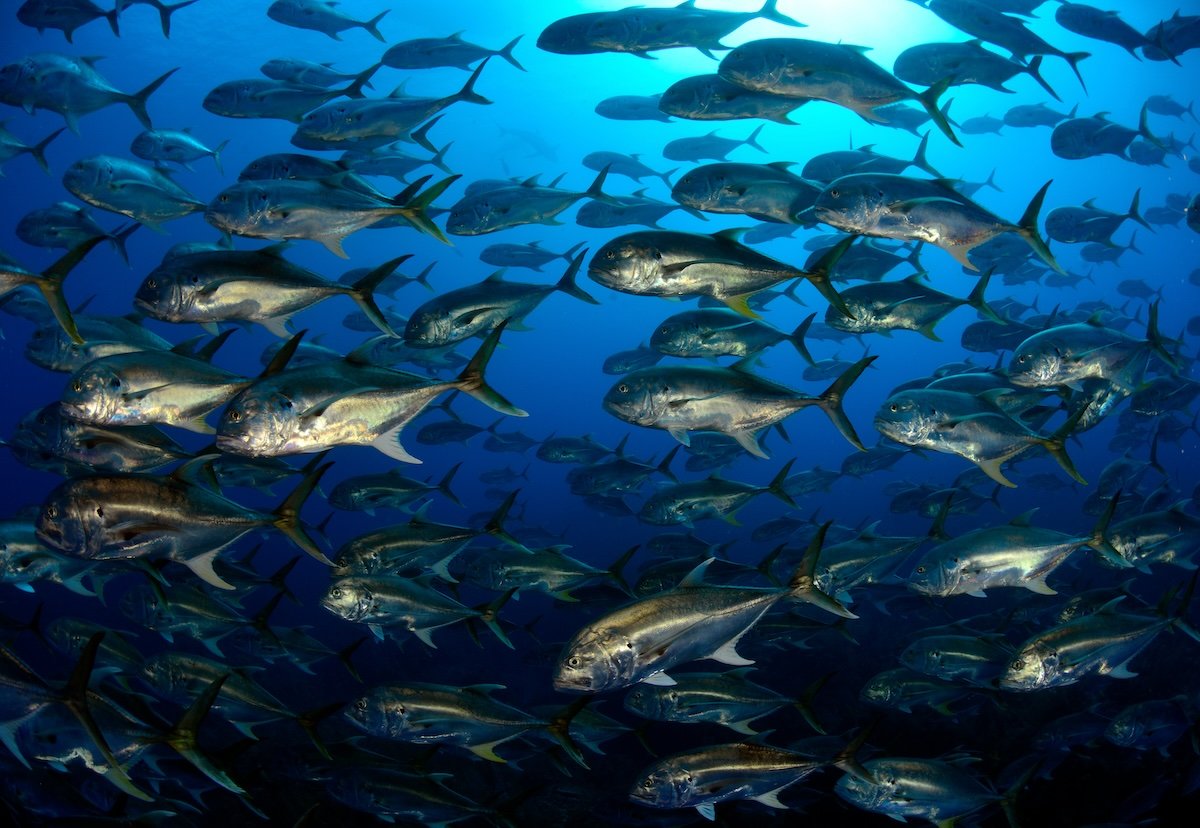
Looking for the secret layer where life happens? Watch for:
- A thin, fuzzy line on your fishfinder midwater column
- Temperature sensor drop — sudden 5–10°F change in a few feet
- Bait stacked right above a “dead zone” with almost no marks below
🧠 Pro Tip: If you’re marking fish up high and nothing below a certain depth, odds are you’re looking at a thermocline. So, work the upper column—don’t waste bait down low.
Offshore Fishing
Hunting Temperature Breaks
Offshore is where things can get really data-driven. When you’re chasing mahi, tuna, wahoo, or billfish out in the open ocean—you’re not just looking for fish. You’re looking for edges. Temperature edges.
A temperature break is when you’ve got, say, 78°F water next to 74°F water, and it’s not gradual—it’s a hard line. That edge acts like a superhighway for life: plankton, baitfish, predators.
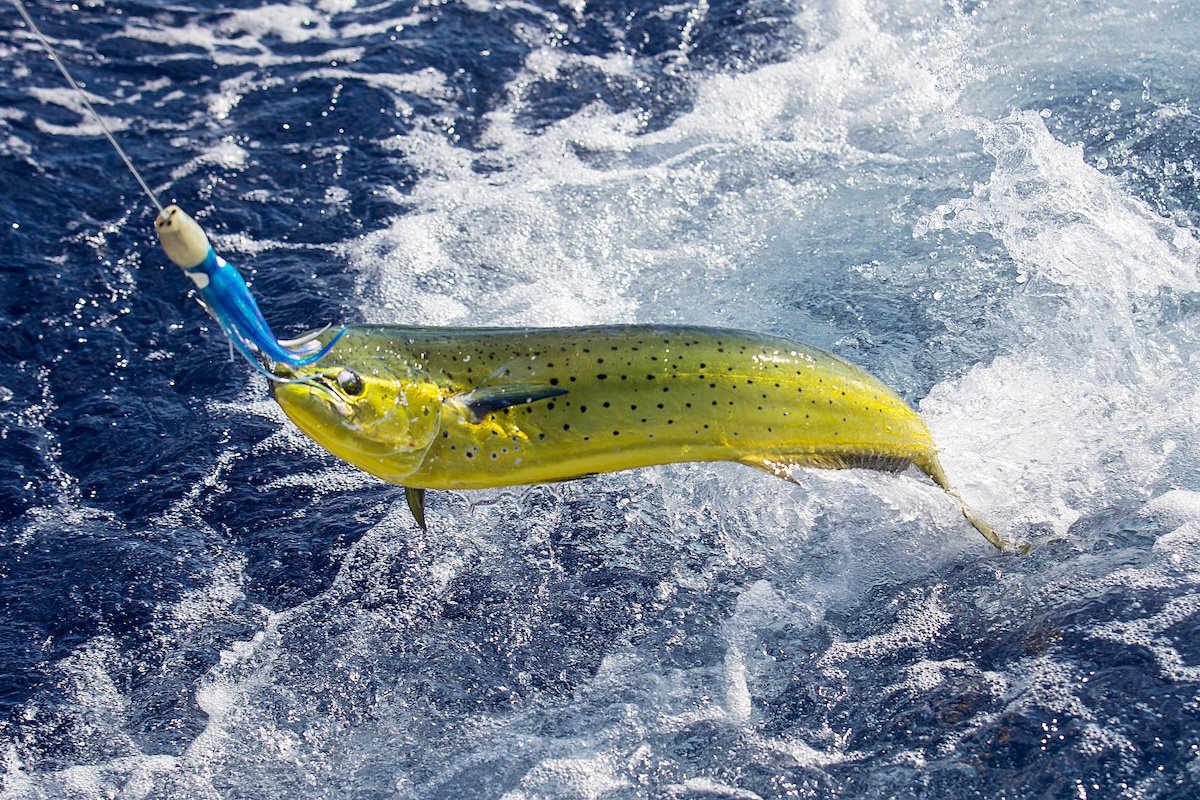
Find a strong break on the satellite charts? You’re gonna want to troll it, drift it, or set up shop nearby.
Some rules of thumb for offshore:
- Mahi and wahoo love a good temperature break, especially when there’s some weedlines or floating junk nearby.
- Tuna tend to prefer cooler water, but not freezing cold—they’re happiest when the water’s rich in oxygen, which usually means not too hot.
- Marlin chase warm water, but again, the bait has to be there.
And this is where logging your trips becomes really useful. If you keep track of:
- SST (sea surface temperature)
- Altitude anomaly maps
- Chlorophyll levels
- Temp breaks where you actually hooked fish
…you start stacking knowledge that 99% of casual offshore fishermen never bother collecting.
Deep sea fishing without paying attention to temperature is like hunting deer by walking around the woods hoping one strolls into you. Technically possible. Also not the best approach.
🌊 What a Temperature Break Looks Like (And Why It’s Money)
Good temp breaks often show up as:
- Color change: greenish water next to blue water
- Debris lines: seaweed, foam, junk lined up at the boundary
- Bait activity: flying fish, birds working, surface boils
🧠 Pro Tip: The sharper the temperature break, the more likely you’ll find big game fish stacked nearby — especially if it’s paired with bait and structure.
So, What Water Temperature Is Best for Saltwater Fishing?
Most saltwater fish get active somewhere between about 62 – 82 degrees Fahrenheit. Inshore species like trout, redfish, snook, and bonefish tend to feed well through most of that range, with water around 70 – 78 degrees usually being prime time.
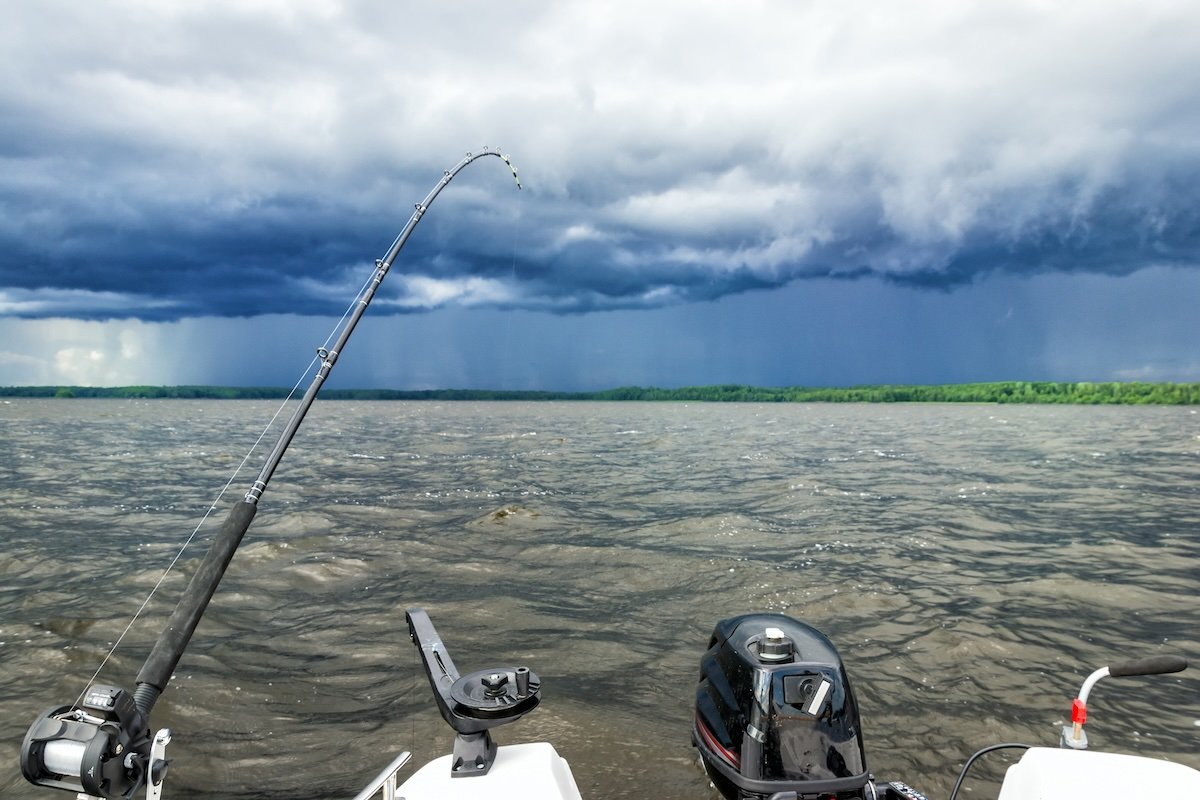
When water temps land in that sweet spot, you’ve usually got the most freedom to fish how you want—whether that’s topwater plugs, soft plastics, jigs, or live bait. Fish are aggressive, willing to chase, and less picky.
On the edges of the range, things change. When temps dip below the low 60s or climb into the mid 80s and higher, fish get a lot more selective. They might slow down, stick tight to cover, and ignore faster or more aggressive presentations. You can still catch them, but you’ll usually need to adjust your tactics—go slower, fish deeper, or focus on natural baits.
The exact numbers shift a little depending on where you are in the world. Tropical species like permit or tarpon might stay active longer into the high 80s, while cold-blooded fish in cooler climates might shut down faster once temps slide into the 50s. But across the board, if you’re paying attention to where the water’s sitting—and how fast it’s rising or falling—you’ll stay a step ahead.
Fishing’s a Game of Inches—and Degrees
Sometimes guys will say, “Eh, the water’s somewhere around 75, that’s good enough.” And if you’re fine with “good enough,” that’s fine. But if you want to turn fishing trips into catching trips, details are important.
3 reasons why logging water temp precisely gives you a huge edge:
- Species have comfort zones. Trout might chew at 68°F. Snook might turn on at 76°F. Bass might make a big move when the water finally creeps over 60°F. If you know where that magic number is, you’re already ahead.
- Feeding times shift with temp swings. Morning bite vs midday bite can flip-flop fast.
- Small spots warm and cool differently. One cove, back pocket, or mud flat might heat up quicker and turn into a feeding zone while the next bay over stays cold and dead. Little differences—just a degree or two—can change everything.
If you’re logging catch data with water temps every trip, you’re not guessing. You’re building your own personal fish forecast.
These days, it’s easier than ever to do it. A lot of the better fishing apps out there aren’t just about marking spots or checking the tide charts. The good ones let you record your catches, water temperatures, weather, moon phase, and even little notes about what the fish were doing. Over time, that info piles up into something pretty powerful—a personal fishing log that’s a lot more reliable than just going off memory.
When you hear people talk about the “best” fishing apps, it’s usually the ones that make it simple to track the stuff that actually matters. (Not just posting hero shots for social media, but helping you spot patterns: when fish move, when they feed, and when a spot that seems dead might come alive again with the right conditions.)
Even a quick note after a trip—water temp, wind, what they bit—can give you a big leg up the next time you’re staring at a big stretch of water, wondering where to start. The more you log, the less you leave to chance.
Learn to read the water temp—log it, study it, chase it—and you’ll catch more fish while other folks are wondering why “they just weren’t biting today.”
(They were. Just not where you were.)