Should a Fishing Log Include Trips Where You Catch Nothing?
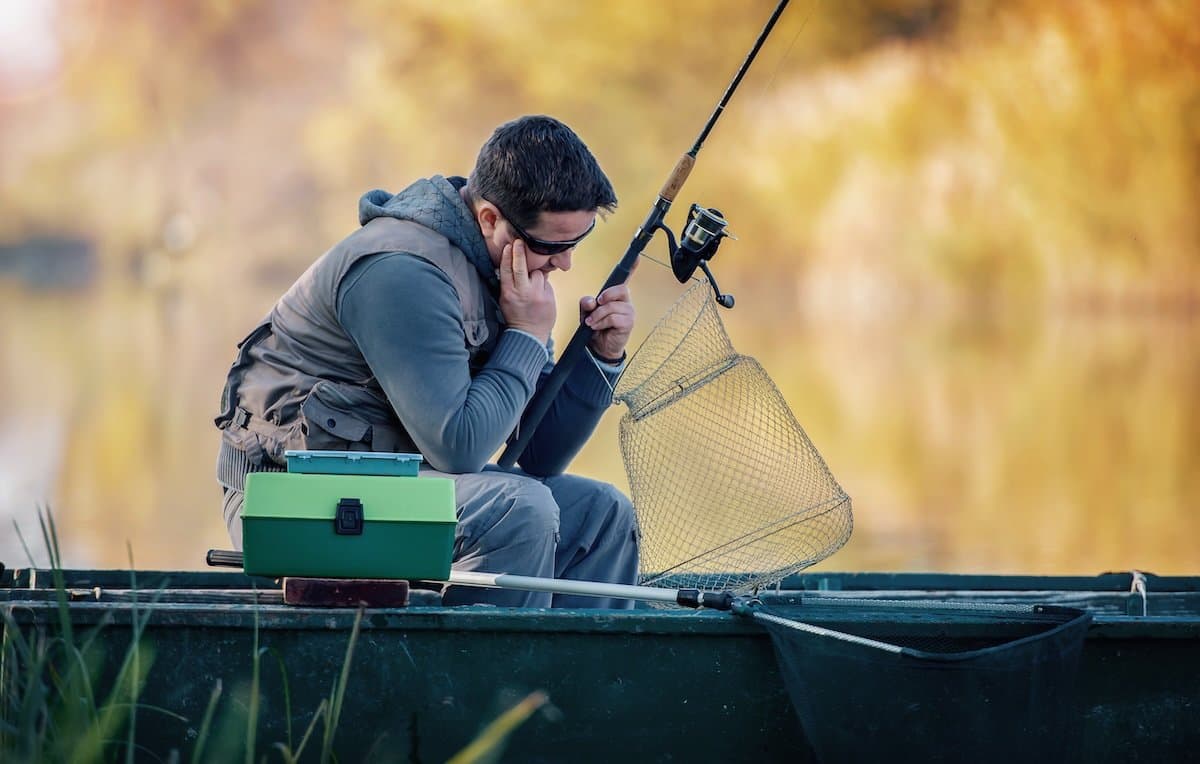
Every fisherman knows the feeling: you load up, hit the water, fish hard all day… and come home with nothing but an empty livewell and maybe a sunburn. You toss the rods back in the garage, grumble to yourself, and try not to think about the gas money you just burned. Most of us would rather forget those trips altogether. But if you’re keeping a fishing log because you want to actually catch more fish, those skunk days can be some of the most valuable entries.
Why You Should Log “Skunk Days” in Your Fishing Journal
It sounds counterintuitive. Why would you want to keep a fishing journal full of reminders about the days you struck out? A logbook is supposed to help you get better, right? And the natural instinct is to think the only useful information is the stuff tied to success: the lure that landed your personal best, the day you and a buddy doubled up, the weekend when you figured out the crankbait bite. Those are the memories you probably won’t forget anytime soon.
The blanks, on the other hand, fade quickly. That’s because you don’t replay the quiet days in your head. A few months later, you won’t quite remember which cold front shut the bite down, or if that muddy water really killed the pattern, or whether it was the east wind or just bad luck. Without documenting it, all that information is gone—and that’s the intel that separates a lucky fisherman from one who can make smart choices season after season.
Think about it like this: a single zero-fish trip might not tell you much. But 10 skunk days spread across different lakes, months, and weather conditions? That can start to show you the pattern. Maybe you’ll notice that every time you fish after a hard north wind, you blank. Or that the first hot spell of summer shuts down the shallow bite on your home lake. Or that switching lures every 15 minutes didn’t matter because nothing was moving in that high, muddy water anyway. Those are all lessons you can only see once you’ve stacked up enough “failure data” to compare against your good days.
Zeroes Matter as Much as Personal Bests
It’s easy to jot down your biggest bass of the season, or the day you and a buddy landed 50 crappie before lunch. Those memories will probably stick whether you write them down or not.
But what about the blanks? When you look back through years of logs, those uneventful days start to tell you just as much as the good ones.
Patterns aren’t only built on successes—they’re built on failures, too. If you always skip recording your zero-fish outings, you end up with a fishing diary that’s biased toward the highlights. That makes it harder to see the real story: which conditions consistently shut the bite down, which lakes don’t produce in certain months, or which lure/color combos never seem to connect when the water’s cold and muddy.
Instead of chalking up a bad day as wasted time, you turn it into data. A fishing journal transforms frustration into something useful. Even if the page only says, “Lake X, 6 hours, zero fish, water temp 54°, wind 20mph from the east,” you’ve given that day a purpose. Six months later, when you’re tempted to hit Lake X under similar conditions, you can look back and make a smarter call—either adjust your tactics, or choose another spot.
Recording The Details of Blank Trips
When most fishermen think about logging a skunk day, the list usually looks pretty bare-bones:
- Date and location
- Weather conditions (wind, barometer, air temps)
- Water temp, clarity, and level
- Lures or baits used
- Notes on what didn’t work
And that’s a solid start. Even a quick entry like that gives you something searchable when you’re looking back through your fishing journal later. But if you stop there, you’re leaving out a lot of subtle details that can turn a “wasted” outing into a learning tool.
One of the biggest things fishermen forget to log in their fishing journal is what else was happening around them. Did you see other boats hooking up? Was there bait flipping near the surface? Did you notice shad dimpling the water at sundown or bluegill stacked up along a certain stretch of bank? Tracking that kind of fishing data is gold. Those pieces add context that helps you figure out whether the problem was the fish not biting at all, or just your presentation not matching what they wanted. Sometimes the “blanks” can also point to larger patterns, like a cold front shutting things down across the lake, but just as often they highlight smaller adjustments you could have made—different lure profile, slower retrieve, shifting to deeper structure, etc.
You should also remember to record the kind of cover and structure you worked over. Were you fishing riprap banks, offshore humps, submerged timber, or shallow grass lines? A lure that didn’t work in heavy weeds might be dynamite on rocky points under the same weather. Same goes if you blanked while working a windblown flat or a quiet backwater creek. The spot itself can be the variable. Fish that ignored you in shallow grass could have been stacked on the nearest drop-off, or the same jig that felt useless in open water might get crushed around a dock, jetty, or mangrove edge.
If your fishing diary just says “spinnerbait, no bites,” you don’t really know whether it was the bait itself, or the place you threw it. Jotting down the habitat type makes those notes more useful when you revisit them.
Also: Who were you fishing with? Did someone else in your boat catch fish while you didn’t? What were they throwing? That contrast tells you a lot more than your own empty livewell. Even noting how busy the lake was, or whether jet skis were buzzing the cove, can explain why that promising spot fell flat.
Examples: How “No Catch” or “Zero-Fish” Days Can Reveal Patterns
| Condition Logged | What a Skunk Day Might Reveal | How to Use That Data |
|---|---|---|
| Strong east wind | Fish often pull off shallow banks when east winds hit. | Next trip, test deeper structure before moving spots. |
| Cold front + bluebird skies | Metabolism slows and bites get scarce. | Switch to slower baits like jigs, and fish afternoons. |
| High muddy water | Sight-based lures lose effectiveness fast. | Use vibration or scent baits; fish tight to cover. |
| Heavy boat traffic | Spooked fish slide off pressured areas. | Target secondary spots or fish low-light windows. |
| Partner catching, you’re not | Technique or lure choice is likely the factor. | Compare depth, speed, or lure profile directly. |
One fisherman in a forum thread said it best: “Easy to remember how to not catch them.” He was joking, but it’s true. After a couple years of logging, you’ll see cold fronts, east winds, or certain moon phases pop up again and again on the days you got skunked. Sometimes you’ll even find the opposite—that what you thought were “bad conditions” can produce if you adjust depth, timing, or presentation.
Over time, that pile of notes becomes a kind of personal playbook. You’ll start recognizing not just when things usually go wrong, but how to turn those situations around. Instead of saying, “Well, the wind’s out of the east, guess I’m toast,” you’ll remember that the last few times you faced the same setup, a jig in deeper cover saved the day. Or you’ll know to hold off until the afternoon when the water warms a degree or two and the bite finally turns on.
That kind of pattern only shows up if you’ve logged the blanks right alongside the big days.
How Apps Make it Easier
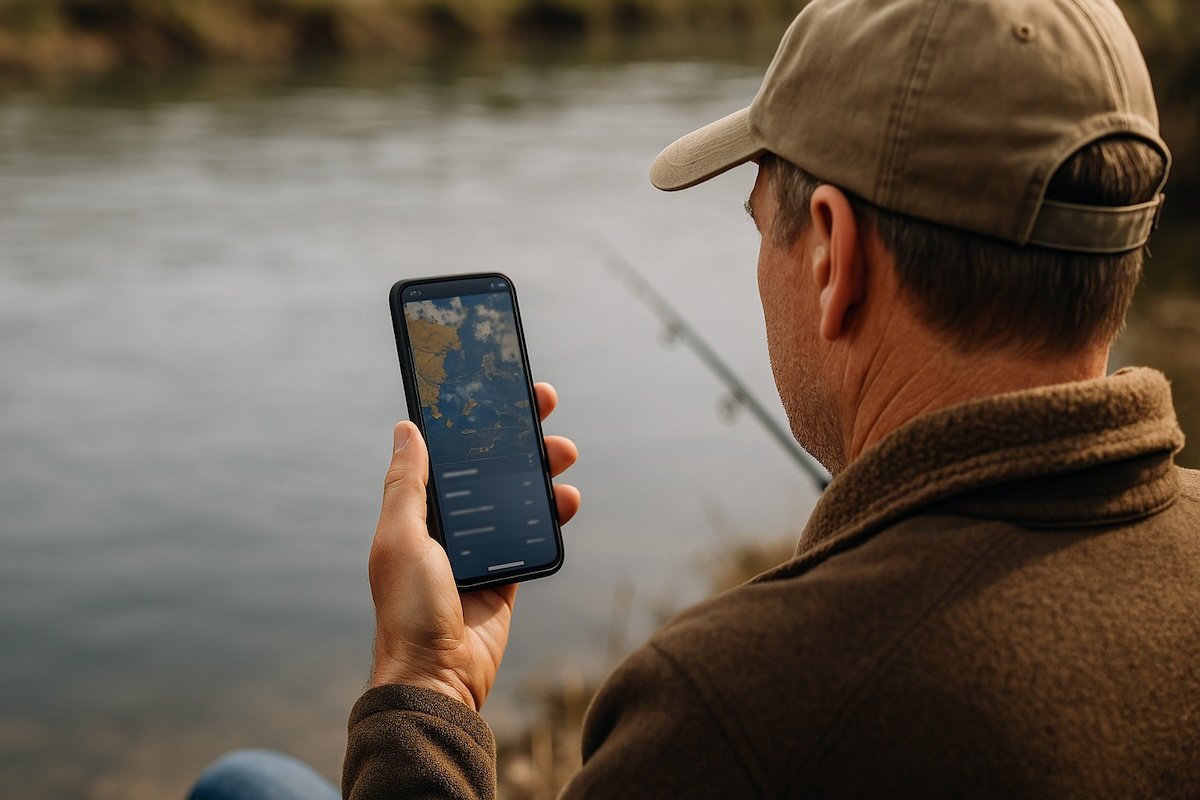
One of the biggest complaints about logging is that it eats up fishing time. Nobody wants to stop mid-bite, pull out a notebook, and start scribbling while the wind blows them off their spot. That’s why a lot of fishermen give up on journals altogether. It feels like the choice is either fish or write… and on the water, fishing always wins.
Digital fishing logbooks cut that hassle way down. Instead of digging for a pen, you can snap a quick photo, let an automatic fishing log app like Log.fish pull in the date, time, weather, barometer, and even water conditions for you, then type a line or two before getting back to casting. Recording a “0 fish caught” entry takes less effort than tying on a new lure.
Over a season, those short entries stack into a dataset you’d never build with pen and paper (or even an Excel spreadsheet) alone. Every zero-fish day, every tough outing, every little note about wind direction or muddy water gets preserved without slowing you down.
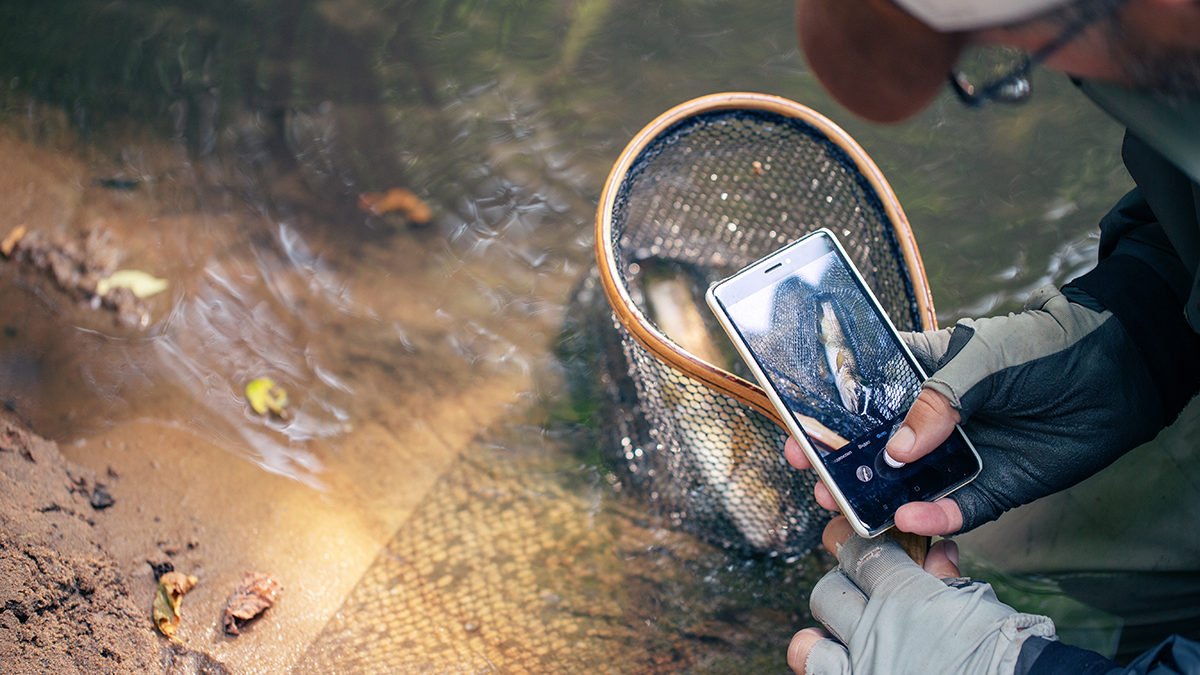
Later, when you’re looking back, you’ll see the bigger picture: which lakes are worth skipping after a storm, which conditions consistently require a change in depth or bait, and which of your secret fishing spots only fire during certain windows.
Apps don’t replace your memory or instincts, but they make it a lot more practical to keep a complete record—wins, losses, and everything in between. And that’s the kind of record that actually changes the way you fish.
Not Catching Fish Is Part of the Record
Nobody likes to stare at a catch log that reads “0 caught,” but those pages—or entries in your fish tracker app—are just as important as the others. Sure, it feels like writing down an admission of defeat, a little like framing your worst report card and hanging it on the wall. But that’s the point. Those zeros are the pieces of the puzzle that make your fishing journal an accurate record instead of just a “highlight reel.”
A complete fishing diary, one that includes both the wins and the blanks, gives you a truer picture of how fish really respond to changing conditions. Weather fronts, water temperature swings, moon phases, wind direction, barometric pressure—all of those factors combine in ways you can’t sort out from memory alone. By writing down both the days you filled the livewell and the days you struck out, you give yourself the chance to see the whole pattern, not just part of it.
And that’s the real difference between casual notes and a true fishing logbook. Over time, the “failure entries” become just as valuable as the big-fish photos. They show you what not to waste your time on, which lures consistently fall flat under certain conditions, and which spots are dead ends in particular months.
Think of it like keeping stats in sports. A coach doesn’t just track wins, they look at turnovers, missed shots, and penalties because those numbers explain the outcome. Fishing’s no different. A blank trip logged accurately turns into a data point that helps explain the bigger picture. Stack up enough of those data points, and you’ve got a playbook you can lean on every time you head out.
This is where modern fishing apps work better than a paper logbook. Instead of fighting with a soggy notebook or trying to remember to jot things down later, you can capture the essentials in seconds. With Log.fish, you can snap a photo, let the app track the weather and location automatically, and add a short note like “zero fish, muddy water, strong east wind.” Now, do that consistently. And before long, your fishing diary will be a searchable database you can carry in your pocket. It’s a tool that saves you from repeating old mistakes and points you toward better strategies.
The more honest your log is, the more useful it becomes. If you only write down the good days, your log becomes a scrapbook. If you include the blanks, it becomes a battle plan. The difference’ll show up after a few seasons when you realize you’re making choices based on patterns you’ve seen with your own eyes, backed by the record you’ve personally built.
Every blank trip hurts a little, but it’s also an investment in future success. Nobody drives home after 8 hours of casting into nothing and thinks, “Well, at least I gathered valuable data today.” But give it some time, and those same fishermen who stick with logging—the highs, the lows, and the zeros—start to realize they’ve built something better than bragging rights. What you’ve got isn’t just a stack of stories to tell over a beer, it becomes a record that pays off more and more as time goes on.
A personal fishing logbook that actually works like compound interest: the more you put in, the more it gives back. Yeah, I know, that sounds like something some guy in loafers who wandered onto the dock looking for the sunset cruise would say, but hang with me here.
Every scribble—the blanks, the weather notes, the lure that should’ve worked but didn’t—it all stacks up. Over time those log entries start paying you back. As the season continues, you’ll catch yourself avoiding the same boneheaded mistakes and leaning into patterns you’d have forgotten otherwise. It won’t make you rich, but it will put more fish in the boat—and that’s the kind of return most of us would take any day.
The Bottom Line
Stories are fine—anybody can spin one about the tarpon that threw the hook or the bass that hit right at the boat. But stories fade. A fishing log on your phone doesn’t.
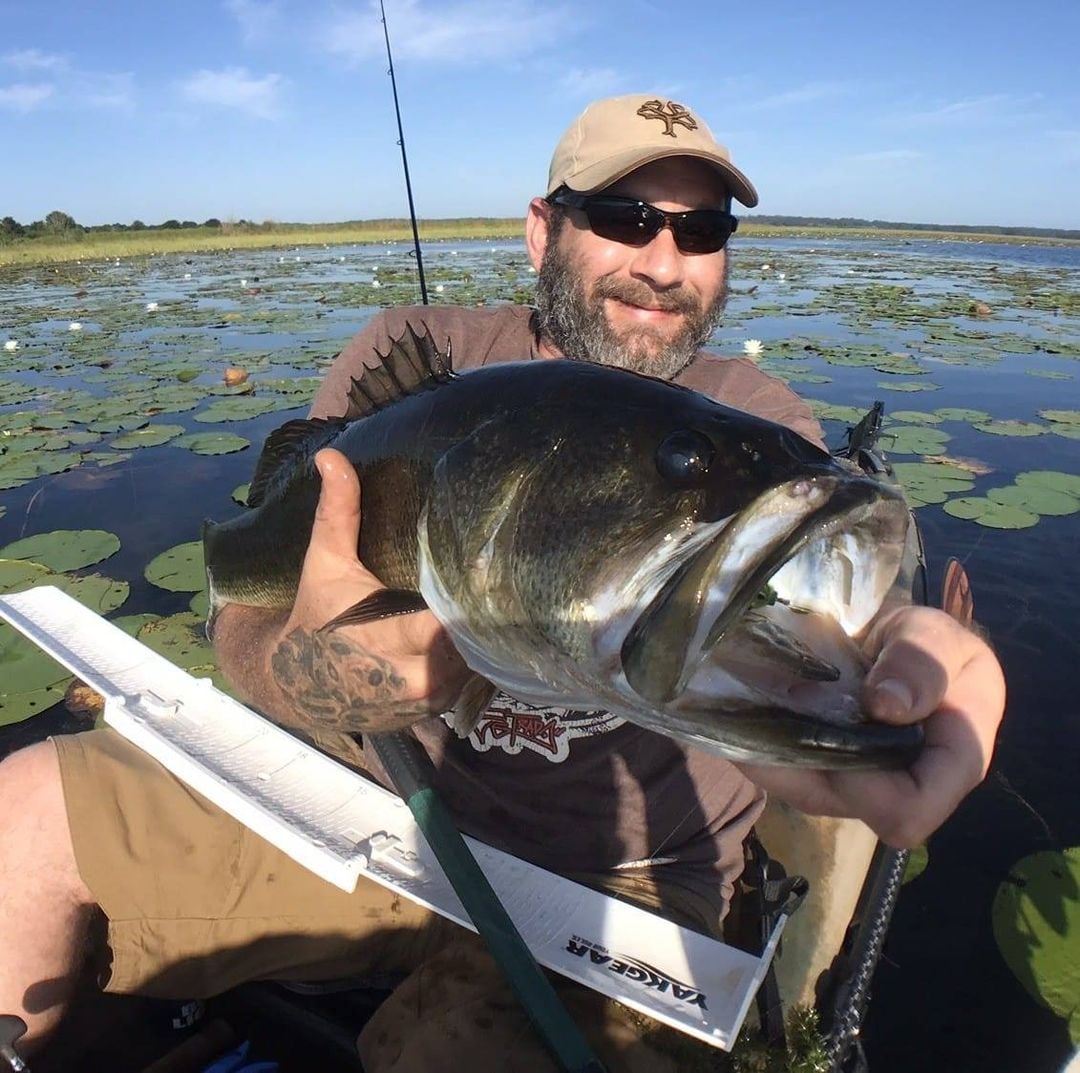
A log’s like that old buddy who remembers the details you’d rather forget—the wind that shifted, the lure you swore would work but didn’t, the water temp that seemed off but you ignored. It sits there waiting, patient, until the next time those same cards line up. Then suddenly you’re not guessing anymore, you’re nodding, like, “Yep, seen this hand before.”